

Short Answer
Definition of Radiation
Radiation refers to the emission and propagation of energy through space or a medium in the form of waves or particles. It is an omnipresent phenomenon that influences the natural world and human life in profound ways. Radiation can be broadly divided into two categories based on its energy levels and effects on matter:
- Ionizing Radiation:
This type carries enough energy to remove tightly bound electrons from atoms, thereby ionizing them. It can alter atomic and molecular structures, potentially causing biological damage. - Non-Ionizing Radiation:
Possessing lower energy, this radiation excites atoms and molecules without ionizing them. It includes forms such as radio waves, microwaves, and visible light.
Sources of Radiation Exposure to Humans
Cosmic Radiation
Originating from outer space, cosmic rays are high-energy particles that continuously bombard the Earth’s atmosphere. When these particles collide with atmospheric molecules, secondary radiation is produced, some of which penetrates the Earth’s surface and human tissues. On average, cosmic radiation contributes approximately 0.3 millisieverts (mSv) to an individual’s annual radiation dose, serving as a subtle reminder of the universe’s influence on terrestrial life.
Terrestrial Radiation
The Earth itself is a natural source of radiation due to the presence of radioactive elements in soil and rocks. Key contributors include uranium, thorium, potassium-40, and radon gas. Radon, a radioactive noble gas generated from uranium decay, can seep into buildings and accumulate in enclosed spaces, significantly increasing indoor radiation levels. Radon exposure alone accounts for an estimated 1.3 mSv per year for the average person and is a major health concern due to its link with lung cancer.
Medical Radiation
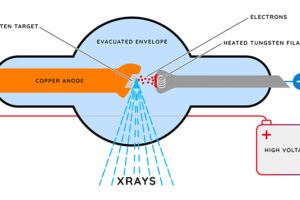
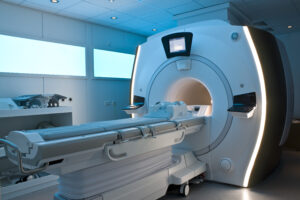
Medical procedures are a significant source of artificial radiation exposure. Diagnostic tools such as X-rays, computed tomography (CT) scans, and fluoroscopy utilize ionizing radiation to visualize internal body structures. While these technologies are invaluable for accurate diagnosis and treatment, they can deliver doses ranging from a few millisieverts to as high as 30 mSv per CT scan, far exceeding natural background levels. This necessitates careful management to balance medical benefits against potential risks.
Occupational Radiation Exposure
Certain professions involve higher radiation exposure than the general population. Workers in nuclear power plants, healthcare facilities, and research laboratories may receive annual doses averaging between 4 to 5 mSv. Strict monitoring and protective measures are essential to minimize health risks while enabling these workers to safely harness radiation for beneficial purposes.
Nuclear Industry and Public Exposure
Nuclear power plants contribute minimally to public radiation exposure, typically less than 0.01 mSv annually for nearby residents. However, nuclear accidents such as those at Chernobyl and Fukushima have heightened public awareness and concern about radiation risks, highlighting the tension between technological progress and safety.
Radiation from Household Items and Food
Everyday objects and natural foods also contain trace amounts of radioactive materials. Smoke detectors, certain clocks, and building materials may incorporate radioactive isotopes. Additionally, foods like bananas contain potassium-40, a naturally occurring radioactive isotope. These sources contribute marginally to overall radiation exposure but illustrate the pervasive nature of radiation in daily life.
Understanding Radiation Dose and Its Measurement
Radiation dose quantifies the amount of radiation energy absorbed by the body, typically measured in millisieverts (mSv). The average annual radiation dose for an American is approximately 6.2 mSv, which includes contributions from cosmic, terrestrial, medical, occupational, and other sources. This cumulative exposure reflects the combined impact of multiple radiation sources on human health.
Health Implications of Radiation Exposure
While low levels of radiation are a natural part of life, excessive exposure can lead to adverse health effects. Ionizing radiation, in particular, has the potential to damage DNA and increase the risk of cancer. Radon exposure is a leading cause of lung cancer after smoking, responsible for thousands of deaths annually in the United States alone. Medical radiation, though beneficial, requires judicious use to minimize unnecessary risk. Occupational safety protocols are critical to protect workers from harmful doses.
Common Misconceptions About Radiation
All radiation is harmful and should be avoided.
Radiation exists naturally and is essential in many applications, including medical diagnostics and treatment. The risk depends on dose and exposure duration.
Nuclear power plants expose nearby populations to dangerous radiation levels.
Routine emissions from nuclear facilities are extremely low and regulated to protect public health, though accidents can pose significant risks.
Significance of Radiation in Science and Daily Life
Radiation plays a dual role as both a natural phenomenon and a powerful tool in technology and medicine. It enables critical diagnostic imaging, cancer treatments, and energy production, while also shaping our understanding of the universe. Recognizing the sources and effects of radiation empowers individuals and societies to harness its benefits responsibly while mitigating potential hazards.
FAQ
What is the primary natural source of radiation exposure to humans?
Radon gas emitted from the Earth's crust is the primary natural source of radiation exposure to humans.
How does cosmic radiation affect humans?
Cosmic radiation consists of high-energy particles from space that contribute to a small but constant dose of radiation to humans annually.
Can medical procedures increase radiation exposure?
Yes, diagnostic imaging, especially CT scans, can significantly increase an individual's radiation exposure temporarily.
What precautions can be taken to reduce radon exposure?
Testing homes for radon and implementing mitigation systems such as improved ventilation can reduce radon exposure.
Is radiation from nuclear industry operations a major health risk?
Under normal operations, radiation exposure from nuclear facilities is minimal and not considered a major health risk.



Leave a Reply