
Short Answer
Definition of Radiology
Radiology is a medical specialty that combines scientific principles and artistic interpretation to reveal the intricate structures and functions of the human body, often hidden from direct observation. It involves the use of various imaging technologies to diagnose and sometimes treat diseases, providing critical insights that guide clinical decision-making.
Foundational Knowledge: Anatomy and Physiology
Mastering radiology begins with a deep understanding of human anatomy and physiology. This foundational knowledge is essential for accurately interpreting medical images. Recognizing the normal appearance and spatial relationships of organs, tissues, and vascular structures is crucial before identifying pathological changes. Resources such as detailed anatomical atlases, interactive digital tools, and cadaveric dissections enhance spatial awareness and comprehension, which are vital for effective image analysis.
Imaging Modalities and Their Principles
Radiology encompasses a diverse range of imaging techniques, each based on distinct physical principles and suited for specific clinical applications. Key modalities include:
- X-ray:
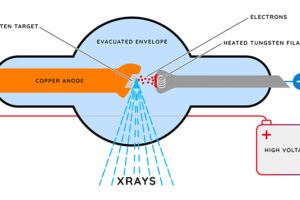
Utilizes ionizing radiation to produce images of dense structures like bones. - Computed Tomography (CT):
Combines multiple X-ray images to create cross-sectional views of the body. - Magnetic Resonance Imaging (MRI):
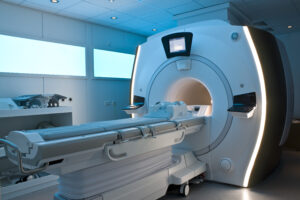
Employs magnetic fields and radio waves to generate detailed images of soft tissues without ionizing radiation. - Ultrasound:
Uses high-frequency sound waves to visualize soft tissues and blood flow in real time. - Nuclear Medicine:
Involves the administration of radioactive tracers to assess physiological functions and detect abnormalities.
Understanding the differences between ionizing and non-ionizing radiation is fundamental for ensuring patient safety and selecting the appropriate imaging technique.
Clinical Context and Correlation
Proficiency in radiology requires integrating imaging findings with clinical knowledge. Familiarity with common diseases across specialties such as oncology, cardiology, and neurology enhances the ability to interpret images meaningfully. Clinical exposure through shadowing physicians, participating in multidisciplinary team meetings, and engaging in clinical rotations enriches understanding of how imaging influences diagnosis and treatment planning. This holistic approach sharpens diagnostic accuracy and fosters a comprehensive patient-centered perspective.
Systematic Image Interpretation Techniques
Adopting structured methods for evaluating imaging studies improves thoroughness and consistency. Techniques such as the “A, B, C, D, E” approach for chest X-rays or the “SLIC” framework for CT scans guide radiologists through a stepwise analysis, minimizing the risk of overlooking critical findings. Mastery of these protocols enhances both efficiency and diagnostic precision.
Enhancing Visual Diagnostic Skills
Radiology is inherently visual, and developing pattern recognition is key to expertise. Regular exposure to diverse imaging cases through teaching files, online case discussions, and tumor boards strengthens interpretative skills. Participation in workshops and seminars fosters collaborative learning and continuous professional growth, essential for staying current in this evolving field.
Technological Innovations in Radiology Education
The integration of artificial intelligence (AI) and machine learning has transformed radiology by augmenting diagnostic accuracy and streamlining workflows. Modern radiologists must familiarize themselves with these technologies, learning to utilize AI tools critically while maintaining clinical judgment. Embracing these advancements prepares practitioners for the future landscape of medical imaging.
Effective Study Strategies and Lifelong Learning
Success in radiology demands disciplined study habits and a commitment to ongoing education. Techniques such as spaced repetition, organized note-taking, and collaborative study groups enhance knowledge retention. Attending conferences and symposia provides opportunities to engage with cutting-edge research and network with experts, fostering a culture of continuous improvement.
Simulation-Based Learning in Radiology
Simulation technologies offer innovative platforms for practicing diagnostic reasoning and image interpretation in a risk-free environment. Virtual simulations replicate clinical scenarios, allowing learners to build confidence and refine decision-making skills without patient involvement. This experiential learning complements traditional educational methods and accelerates skill acquisition.
The Role of Mentorship in Radiology Training
Guidance from experienced radiologists is invaluable in developing both technical expertise and professional maturity. Mentors provide personalized feedback, career advice, and support in navigating ethical and interpersonal aspects of medical practice. This relationship nurtures growth beyond academic knowledge, fostering professionalism and empathetic patient care.
Why Mastering Radiology Is Essential
Radiology plays a pivotal role in modern healthcare by enabling non-invasive visualization of internal body structures, facilitating early diagnosis, and guiding treatment strategies. A comprehensive mastery of radiology enhances patient outcomes, supports multidisciplinary collaboration, and drives innovation in medical science. For practitioners, it represents a lifelong journey of discovery and contribution to the understanding of human health and disease.
FAQ
What are the primary imaging modalities in radiology?
The primary imaging modalities include X-ray, CT, MRI, ultrasound, and nuclear medicine.
How important is mentorship in radiology training?
Mentorship is crucial as it provides personalized guidance, feedback, and support in professional development.
What role does technology play in modern radiology education?
Technology, including AI and machine learning, enhances diagnostic accuracy and streamlines workflows in radiology.



Leave a Reply