
Short Answer
Definition
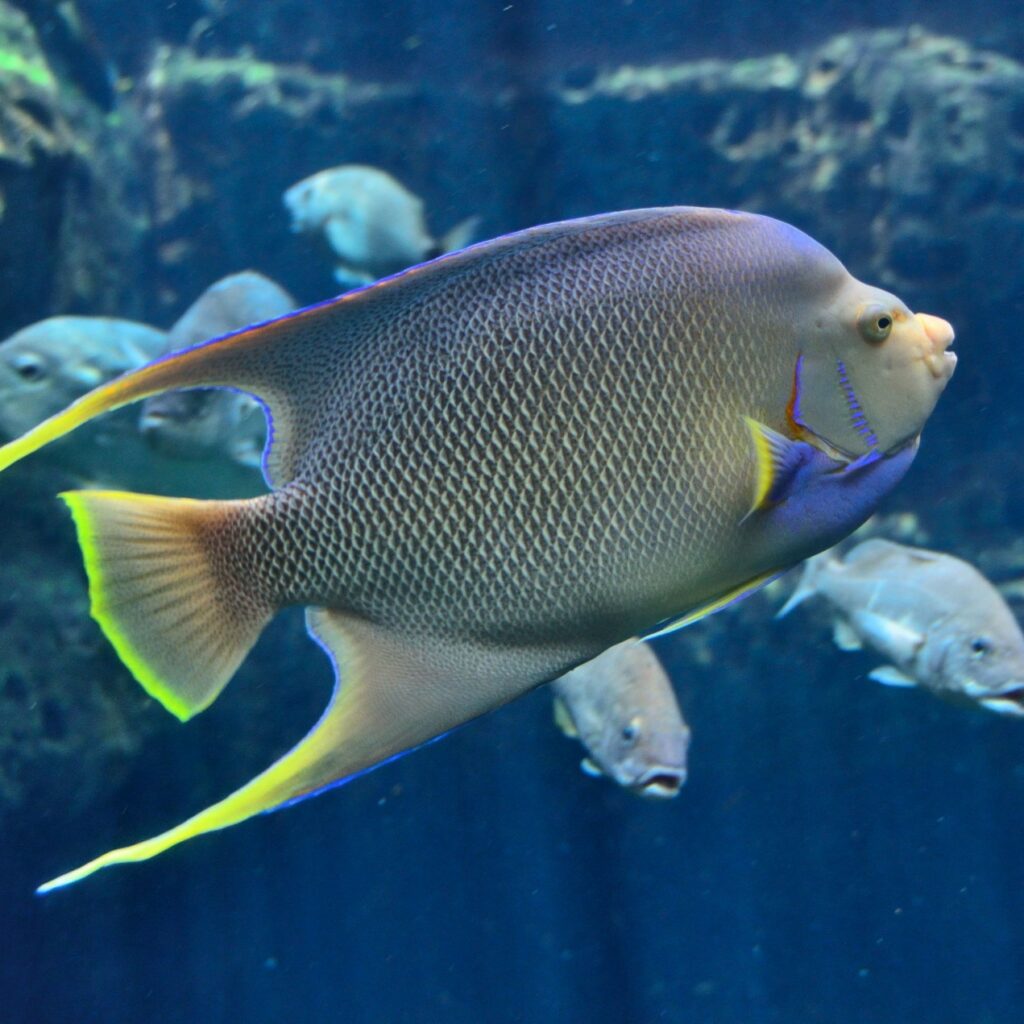
The phenomenon commonly referred to as “fish stirring the oceans” describes the significant influence that fish exert on the movement and mixing of ocean waters. Beyond their role as inhabitants of marine environments, fish actively contribute to the modulation of oceanic currents and the hydrodynamic processes that govern aquatic ecosystems. This interaction highlights the complex relationship between living organisms and physical oceanographic factors, revealing fish as dynamic agents in shaping marine ecological patterns.
Ecological Role of Fish in Ocean Dynamics
Fish impact marine environments through various behaviors that induce water movement and nutrient redistribution. Pelagic species such as tunas and mackerels undertake extensive migrations, generating localized turbulence as they swim. This turbulence facilitates vertical mixing within the water column, enhancing nutrient transport and influencing the spatial distribution of plankton communities. Such processes enrich the pelagic ecosystem, supporting biodiversity and productivity.
Additionally, many fish engage in foraging activities that disturb the seabed, resuspending sediments and releasing trapped nutrients into the surrounding waters. These actions, often occurring during dawn and dusk feeding periods, modify the chemical and physical characteristics of their habitats. The sediment disturbance creates microhabitats for microorganisms and boosts primary productivity, thereby sustaining complex food webs essential for marine life.
Hydrodynamic Effects During Reproductive Events
Fish spawning aggregations represent another critical mechanism through which fish influence ocean currents. The synchronized swimming of large groups during reproduction generates hydrodynamic phenomena such as localized eddies and altered flow patterns. These changes increase nutrient availability in the vicinity, promoting higher biological productivity and attracting diverse marine species. This illustrates the interconnectedness of reproductive behavior and ecosystem health, emphasizing the importance of maintaining robust fish populations.
Interactions Between Fish and Coral Reef Ecosystems
The relationship between fish and coral reefs exemplifies the broader ecological impact of fish stirring ocean waters. Herbivorous fish, including parrotfish and surgeonfish, play a vital role in coral reef maintenance by grazing on algae that could otherwise overwhelm corals. This grazing activity prevents algal dominance, allowing corals to thrive and maintain reef structure. The mutual dependence between fish and corals demonstrates how fish behavior influences ecosystem stability and resilience.
Scientific Modeling and Research Insights
Advanced computational models incorporating fish movement data have provided deeper understanding of how fish populations affect oceanic flow patterns. By simulating fluid dynamics with varying fish densities, researchers can predict changes in water circulation linked to biological activity. These models highlight the potential consequences of overfishing and climate change on marine hydrodynamics and ecosystem functionality, underscoring the need for sustainable fisheries management and conservation strategies.
Implications for Human Activities and Maritime Operations
The stirring effects of fish also bear significance for human maritime endeavors. Large schools of fish can create discernible patterns in surface currents, which fishermen and navigators may exploit to enhance efficiency. However, disruptions caused by overexploitation can destabilize these natural patterns, leading to adverse effects on both fish populations and navigational conditions. This interdependence calls for balanced resource use to maintain marine system integrity.
Broader Environmental Significance
The influence of fish on ocean turbulence and nutrient cycling connects to global environmental challenges such as climate change and ocean deoxygenation. Declines in fish populations reduce their capacity to stir waters, potentially triggering cascading effects including altered current systems and decreased marine productivity. Recognizing these links highlights the urgency of adopting marine conservation practices that preserve the functional roles of fish within ocean ecosystems.
Future Directions and Interdisciplinary Collaboration
The study of fish-induced ocean stirring is an emerging field that benefits from the integration of marine biology, ecology, oceanography, and conservation science. Collaborative research efforts are essential to unravel the complex mechanisms by which fish shape marine environments. Enhancing our understanding of these processes will inform effective conservation policies and foster a deeper appreciation of the ocean’s intricate ecological networks.
Conclusion
In summary, fish play a crucial and multifaceted role in modulating oceanic hydrodynamics, nutrient distribution, and ecosystem balance. Their activities influence everything from local water mixing to large-scale ecological productivity, underscoring their importance as key contributors to marine health. Protecting fish populations is therefore vital to sustaining the biodiversity and functionality of ocean ecosystems, ensuring the continued vitality of the planet’s marine resources.
FAQ
How do fish affect ocean currents?
Fish influence ocean currents through their movements, creating turbulence and mixing that enhances nutrient distribution.
What is the ecological role of fish in marine ecosystems?
Fish play a crucial role in nutrient cycling, supporting biodiversity and maintaining ecosystem stability.
Why is the study of fish in ocean dynamics important?
Understanding fish interactions with ocean currents helps inform conservation efforts and sustainable fishing practices.





Leave a Reply