
Short Answer
Definition of Freak Waves
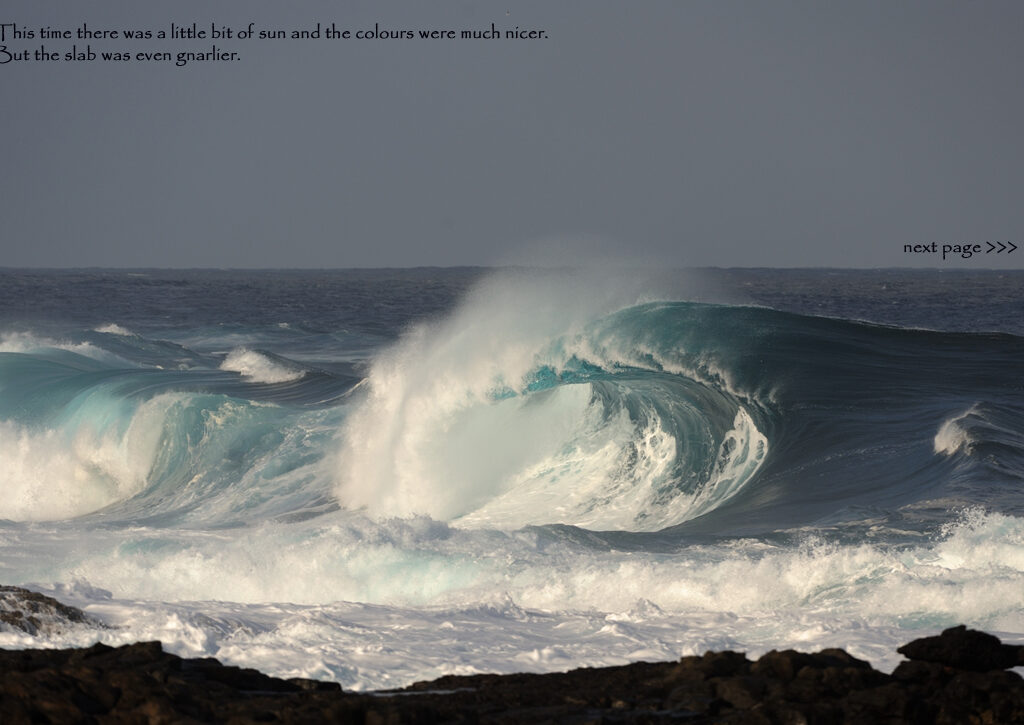
Freak waves, also known as rogue waves, are extraordinary oceanic phenomena characterized by their sudden appearance and exceptional height, often exceeding twice the size of surrounding waves. Unlike regular ocean waves that follow predictable patterns, freak waves defy conventional wave models, making them a subject of intrigue and concern for oceanographers and seafarers alike.
Physical Mechanisms Behind Freak Wave Formation
The emergence of freak waves results from a complex interplay of several physical factors:
- Constructive Interference:
When multiple waves traveling in the same direction align their crests, their energies combine, producing a significantly larger wave. This process is analogous to harmonic resonance in music, where overlapping notes amplify sound intensity. The principle of superposition underpins this phenomenon, allowing smaller waves to merge into a single, towering wave. - Influence of Ocean Currents:
Currents near continental shelves or coastal regions can concentrate wave energy by funneling waves into narrower areas. As waves move from deeper to shallower waters, their heights increase, similar to how a river narrows and accelerates before a waterfall, creating ideal conditions for freak wave development. - Wave Energy Focusing:
Variations in water depth and current speed can focus wave energy into localized spots, intensifying wave height beyond typical expectations.
Mathematical and Physical Principles
While wave behavior generally adheres to Newtonian physics, modeling freak waves presents significant challenges due to their nonlinear and unpredictable nature. The nonlinear Schrödinger equation is a fundamental tool used to describe wave evolution, but it often fails to fully capture the erratic behavior of rogue waves. This complexity reflects a delicate balance between chaos and order in ocean dynamics.
Wave Dispersion and Energy Dynamics
The dispersion relation explains how waves of different wavelengths travel at varying speeds. When waves of multiple frequencies interact, some may slow down while others accelerate, creating a dynamic environment where energy can concentrate suddenly, leading to the formation of a freak wave. This phenomenon shares similarities with quantum mechanics, where probabilistic interactions yield unexpected results.
Environmental Factors Contributing to Freak Waves
External conditions such as weather and sea state significantly influence the likelihood of freak wave occurrence. Storms, strong winds, and turbulent seas create volatile environments that can amplify wave interactions. The combination of atmospheric disturbances and oceanic turbulence forms a stage where freak waves can materialize, showcasing the ocean’s raw power.
Technological Advances in Freak Wave Research
Recent developments in observational technology have enhanced the study of freak waves. Satellite remote sensing and laser altimetry provide precise measurements of wave heights and patterns, enabling scientists to collect extensive data sets. These tools support the creation of predictive models aimed at better understanding and forecasting freak wave events, although complete predictability remains elusive.
Cultural and Psychological Impact
Freak waves captivate human imagination by embodying a paradox of awe and fear. They symbolize the sublime forces of nature, blending beauty with potential destruction. Witnessing or learning about these waves often prompts reflections on humanity’s vulnerability and respect for the ocean’s might. This duality mirrors the tension between creation and destruction inherent in natural phenomena.
Historical Accounts and Maritime Significance
Throughout maritime history, freak waves have been linked to numerous shipwrecks and disasters, reinforcing their reputation as formidable natural hazards. Notable incidents such as the sinking of the USS Cole and the disappearance of the MV Derbyshire highlight the devastating impact these waves can have on vessels. These stories contribute to the rich lore surrounding the sea, where adventure and danger coexist.
Importance of Studying Freak Waves
Understanding freak waves is crucial for enhancing maritime safety, improving weather forecasting, and advancing oceanographic science. The ongoing research integrates mathematical theory, environmental science, and cutting-edge technology to unravel the complexities of these waves. This pursuit not only deepens our knowledge of ocean dynamics but also fosters a greater appreciation for the intricate and powerful forces shaping our planet’s seas.
FAQ
What are freak waves?
Freak waves are large, unexpected ocean waves that can be twice the height of surrounding waves.
What causes freak waves?
They are caused by factors such as constructive interference, ocean currents, and localized energy focusing.
Why is it important to study freak waves?
Studying freak waves is crucial for improving maritime safety and advancing oceanographic research.



Leave a Reply