With only 1 qubit

In the rapidly evolving realm of quantum computing, a qubit stands as a fundamental unit that defies classical expectations. Unlike traditional bits that exist distinctly as either zeros or ones, a qubit harnesses the peculiar principles of quantum mechanics, enabling states that are both zero and one simultaneously, a phenomenon known as superposition. However, the […]

Read More →

How to learn quantum computing on my own?

Quantum computing represents a paradigm shift in computational theory and practice, diverging significantly from classical computation. As the demand for understanding and utilizing quantum algorithms increases, many aspiring computer scientists seek to learn this complex subject. The purpose of this article is to provide a comprehensive guide to self-directed learning of quantum computing, outlining methodologies, […]

Read More →

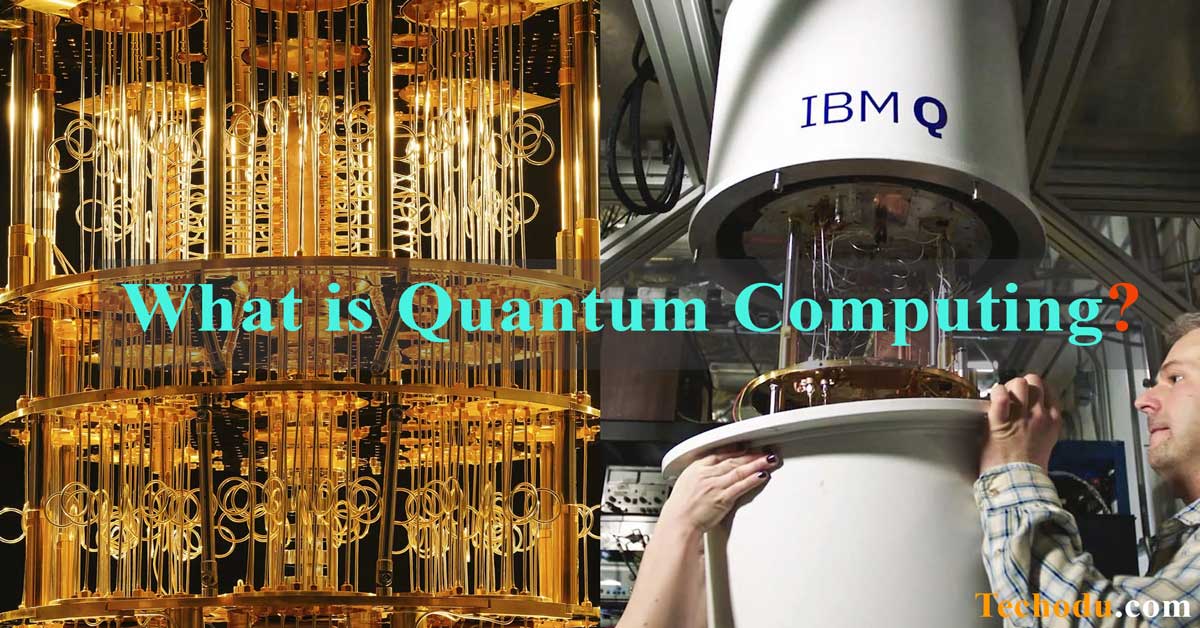
What is quantum computing

Quantum computing represents a paradigm shift in computational technology, offering intriguing capabilities that transcend the limitations imposed by classical methodologies. To appreciate quantum computing, it is essential to delve into its foundational concepts, potential applications, and the underlying principles that engender both skepticism and admiration among scientists and technologists alike. At its core, quantum computing […]

Read More →

What are possible advantages of using quantum computing?

Quantum computing stands at the precipice of a technological renaissance, much like the dawn of the Information Age, beckoning its enthusiasts with promises not merely to enhance, but to revolutionize computational paradigms. Like an artist wielding a brush to capture the immutable essence of reality, quantum computation seeks to manipulate the subatomic tapestry of existence, […]

Read More →

Can we use fermions for quantum computing?

In the realm of quantum computing, the exploration of various quantum particles forms the cornerstone of advancements that could potentially redefine computational paradigms. Among the ensemble of subatomic particles, fermions—particles that follow Fermi-Dirac statistics—exhibit unique characteristics that can be harnessed for quantum computation. The promise of using fermions as the foundational unit of quantum bits, […]

Read More →

How does Shor’s algorithm work in layman’s terms?

In the realm of modern computational science, Shor’s algorithm emerges as a beacon of promise, illuminating the potential transformation of quantum computing. This algorithm, introduced by mathematician Peter Shor in 1994, fundamentally alters our perspective on factorization and its implications for cryptography. It is not merely an intellectual exercise; it heralds a seismic shift in […]

Read More →

Can a quantum computer find all the digits of Pi?

In the realm of computational prowess, few pursuits capture the human imagination quite like the calculation of π (pi). This transcendental number, representing the ratio of a circle’s circumference to its diameter, extends infinitely without repeating, challenging mathematicians and enthusiasts alike for millennia. The advent of quantum computing, a paradigm shift that harnesses the peculiarities […]

Read More →

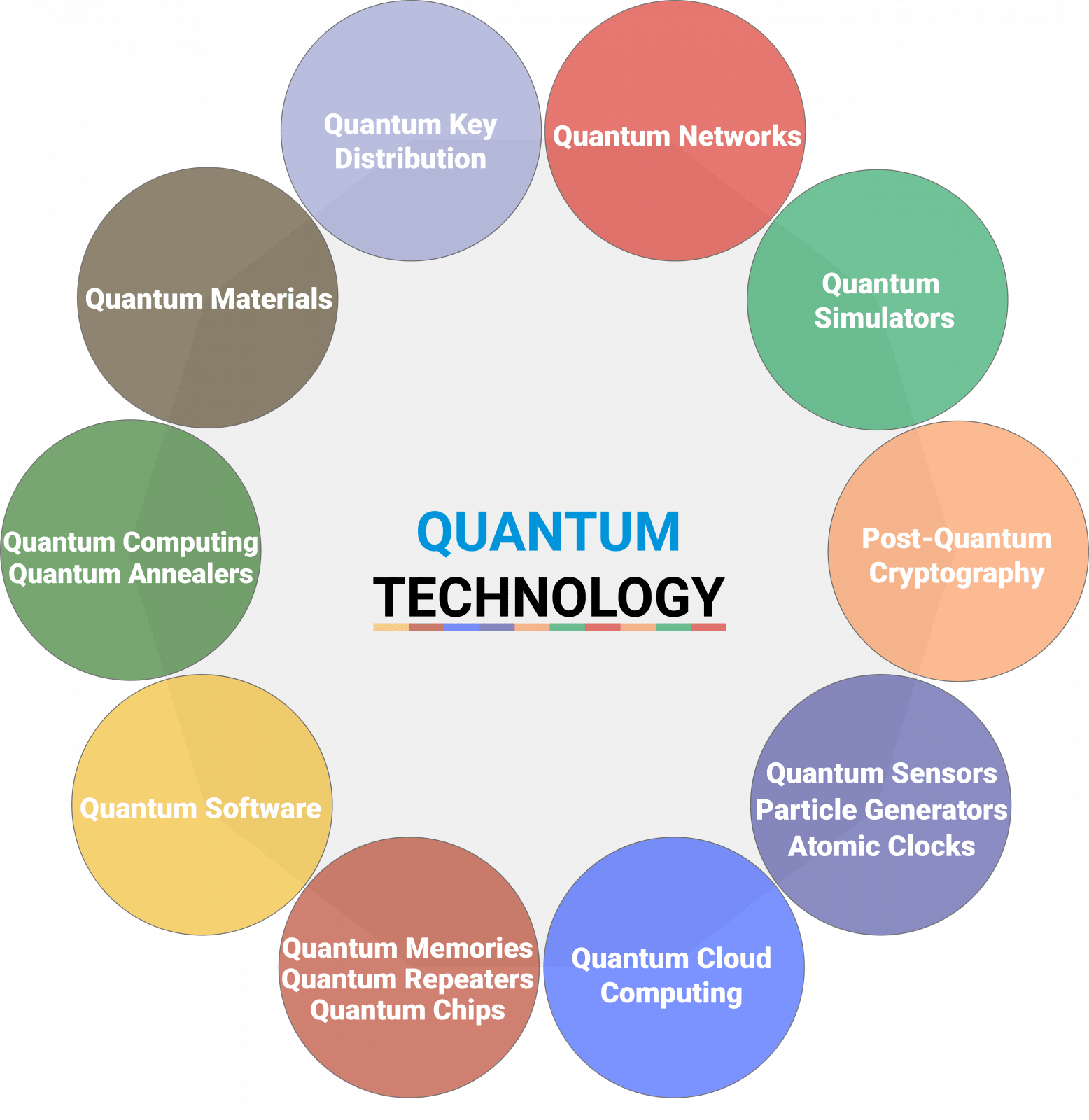
What is quantum technology?

Quantum technology stands at the frontier of modern science and engineering, encompassing a broad spectrum of applications and concepts derived from quantum mechanics—the fundamental theory that describes the physical properties of nature at the scale of atoms and subatomic particles. But, what would happen if we could harness the seemingly bizarre principles of quantum mechanics […]

Read More →