What is a viable alternative to quantum computing?

Quantum computing, often heralded as the next frontier of computational prowess, has captivated both the scientific community and the public imagination. Its promise to exponentially accelerate problem-solving capabilities and enhance data-processing efficiency invites a plethora of inquiries regarding potential alternatives. Indeed, the quest for more powerful computing paradigms elicits curiosity and awe, uncovering not only […]

Read More →

What is the benefit of using quantum AI?

In a rapidly evolving technological landscape, the integration of quantum computing with artificial intelligence (AI) has emerged as a tantalizing frontier. The intersection of these two domains offers a multitude of benefits that could revolutionize various fields, from healthcare to cybersecurity. This article aims to explore the multifaceted advantages of using quantum AI, addressing not […]

Read More →

What skills are needed for quantum computing?

As the veil of classical computing is gradually lifted, a new era beckons on the horizon: quantum computing. This domain, both enigmatic and exhilarating, resembles a high-stakes labyrinth where traditional paradigms crumble, and novel pathways emerge. To traverse this labyrinth successfully, one requires a cornucopia of skills, each contributing to a synthesis of knowledge that […]

Read More →

How can quantum computers revolutionize defense?

Quantum computing, an area of profound scientific inquiry, intertwines the realms of physics and computer science, laying the groundwork for technologies that could magnify the capabilities of defense systems. By harnessing the principles of quantum mechanics—superposition, entanglement, and quantum interference—this nascent technology promises to elevate the operational efficacy and strategic foresight of national defense apparatuses. […]

Read More →

How can a 13 year old learn about quantum computing?

As the digital landscape rapidly evolves, a burgeoning interest in quantum computing is burgeoning, particularly among the youth. But how can a 13-year-old embark on the enthralling journey of understanding this complex and avant-garde domain of technology? What if you could harness the untapped potential of quantum mechanics for problem-solving and innovation? This question beckons […]

Read More →

What is quantum computing and its specialty?

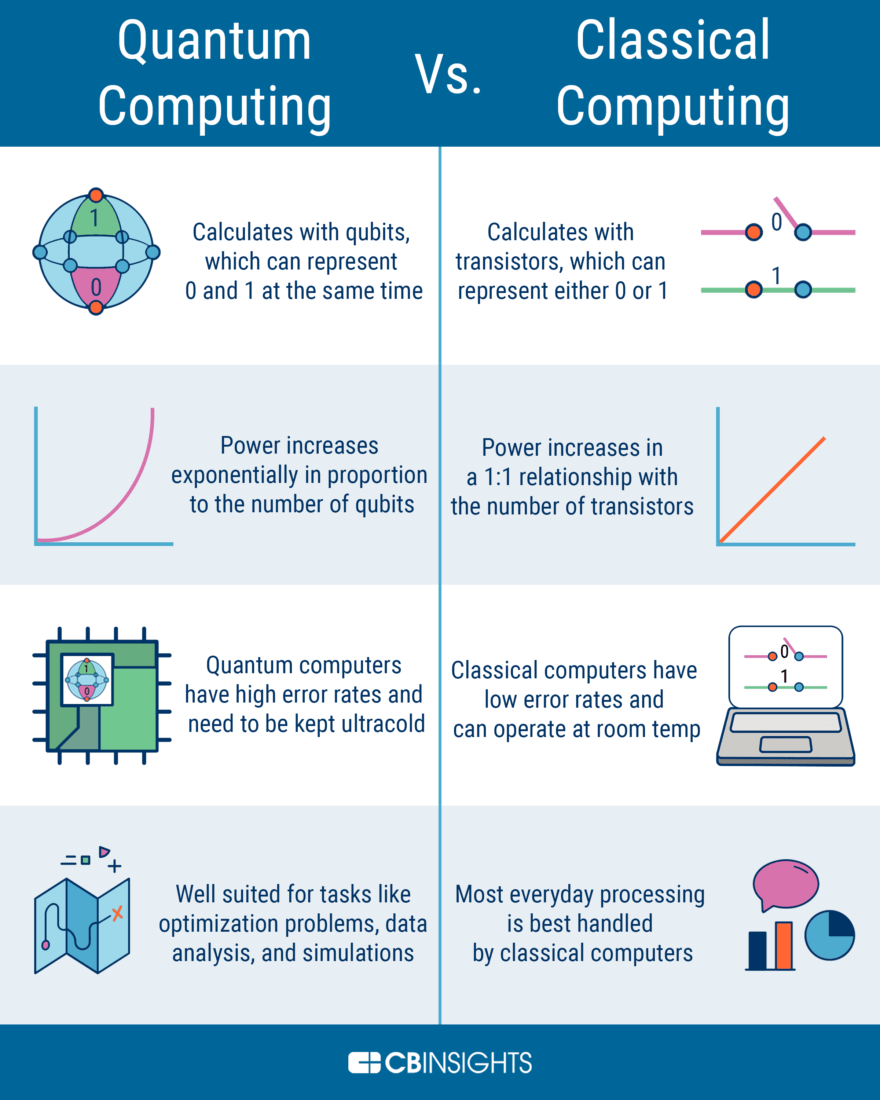
Quantum computing represents a paradigm shift in the computational landscape, transcending the limitations of classical computing through the principles of quantum mechanics. This nascent field promises to revolutionize various domains, including cryptography, optimization, machine learning, and pharmaceuticals. This article delineates the fundamental principles of quantum computing, elucidates its specialties, and explores its potential implications. At […]

Read More →

Why is quantum computing so scary?

Quantum computing stands as one of the most revolutionary paradigms in the landscape of contemporary technology. At its core, it exploits the principles of quantum mechanics, which govern the behavior of matter and energy at the smallest scales. However, alongside its promising capabilities, quantum computing has engendered a palpable sense of trepidation among both the […]

Read More →

How will quantum computing impact AI development?

In the landscape of computational science, the advent of quantum computing signifies not merely an incremental evolution but rather a cogent revolution poised to metamorphose the realm of artificial intelligence (AI). The amalgamation of these two domains presents an intriguing tapestry woven from the threads of traditional algorithms and the esoteric pathways of quantum mechanics. […]

Read More →

What is the quantum computer physically?

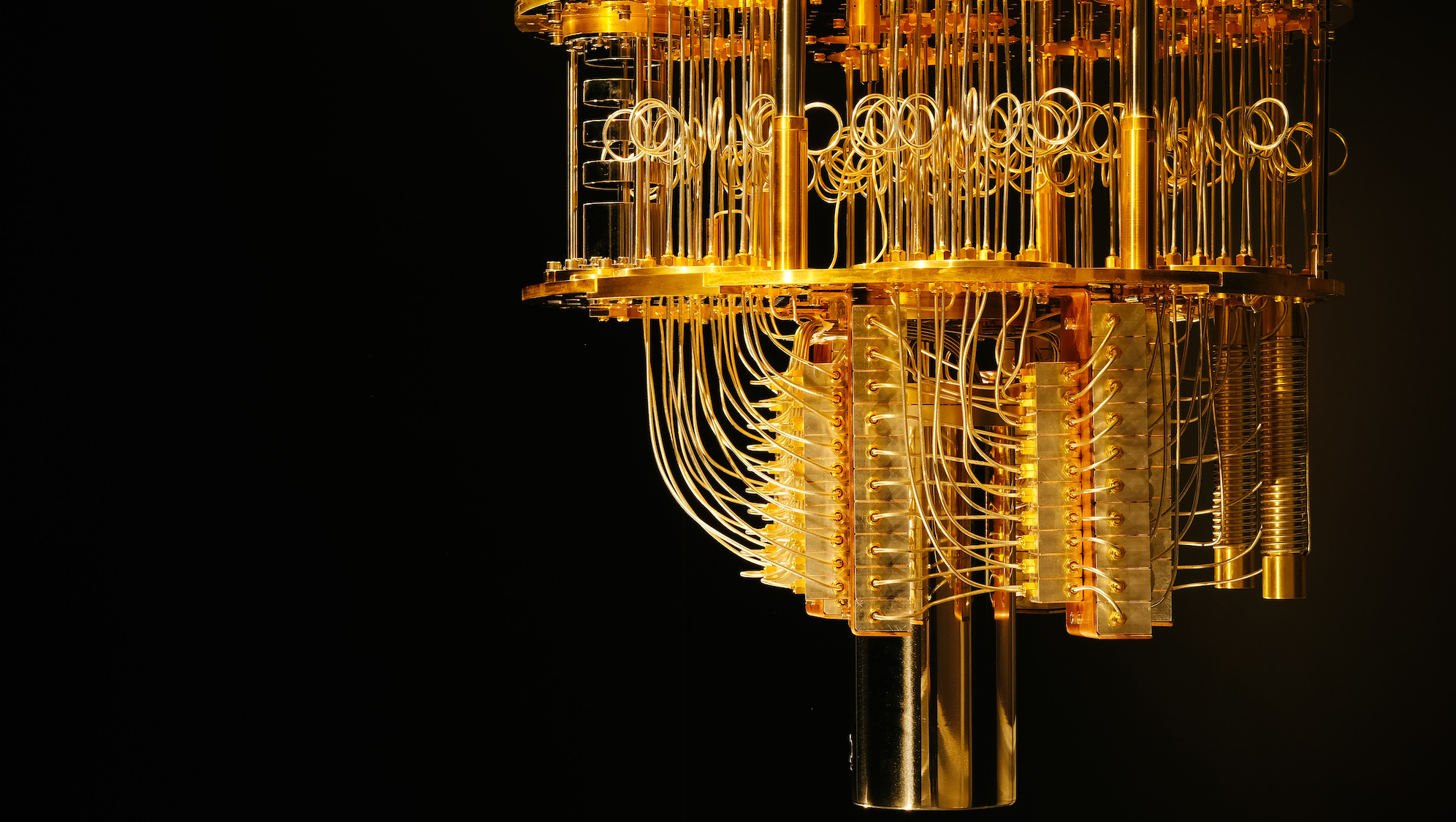
What defines a quantum computer physically? A compelling question, indeed, given the burgeoning interest in the field of quantum computing. At its core, a quantum computer is a sophisticated apparatus harnessing the peculiarities of quantum mechanics to process information in ways that classical computers cannot. But what does this entail in terms of physical structure […]

Read More →