What is quantum information in quantum computing?

Understanding Quantum Information Quantum information represents a groundbreaking concept within the field of quantum computing, rooted deeply in the principles of quantum mechanics. Unlike classical information, which is typically encoded in binary digits (0s and 1s), quantum information embodies a more complex and nuanced nature. It exists as a superposition of multiple states, reflecting a […]

Read More →

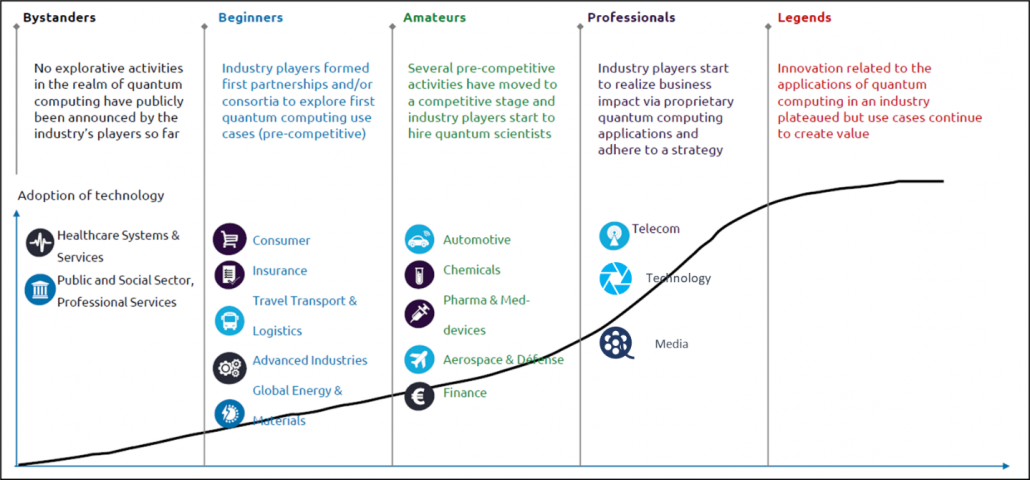
What industries will use quantum computing in the future?

Understanding Quantum Computing Quantum computing represents a revolutionary leap in technology, harnessing the principles of quantum mechanics to perform computations far beyond the capabilities of classical computers. By exploiting phenomena such as superposition and entanglement, quantum computers can process complex problems with remarkable speed and efficiency. This emerging technology is poised to transform a wide […]

Read More →

What type of qubit does Google use?

Definition of Qubits in Quantum Computing Qubits, or quantum bits, represent the fundamental units of information in quantum computing. Unlike classical bits that exist strictly as 0 or 1, qubits exploit quantum mechanical phenomena such as superposition and entanglement, enabling them to exist in multiple states simultaneously. This unique capability allows quantum computers to perform […]

Read More →

What is quantum computing and what is it’s scope in future?

Definition of Quantum Computing Quantum computing is an innovative computational approach that harnesses the principles of quantum mechanics to process information. Unlike classical computers that use bits as the smallest unit of data, quantum computers utilize quantum bits, or qubits, which can exist in multiple states simultaneously. This capability stems from unique quantum phenomena such […]

Read More →

Can a quantum computer store information?

Definition of Quantum Information Storage Quantum computing marks a revolutionary advancement in computational technology, grounded in the principles of quantum mechanics. A fundamental inquiry within this field is whether quantum computers can effectively store information. The answer involves understanding the nature of quantum bits, or qubits, their unique storage mechanisms, and the roles of quantum […]

Read More →

What impact will quantum computing have in the next decade?

Understanding Quantum Computing Quantum computing represents a revolutionary approach to processing information, harnessing the unique principles of quantum mechanics to perform calculations far beyond the reach of classical computers. Unlike traditional systems that operate on binary bits-either 0 or 1-quantum computers utilize quantum bits, or qubits, which can exist in multiple states simultaneously due to […]

Read More →

What are the applications of quantum machine learning?

Definition of Quantum Machine Learning Quantum machine learning (QML) is an interdisciplinary field that merges the principles of quantum mechanics with machine learning techniques. This fusion combines the empirical data-driven approaches of classical machine learning with the counterintuitive phenomena of quantum physics, such as superposition and entanglement. By integrating these domains, QML aims to enhance […]

Read More →

How fast would quantum computers be?

Definition of Quantum Computing Speed Quantum computing represents a revolutionary leap in computational capability, bridging the gap between classical computing and the quantum mechanical world. It harnesses the principles of quantum mechanics to perform calculations that surpass the limits of traditional computers. The speed of quantum computers refers to their ability to solve certain problems […]

Read More →

Cybersecurity in a Quantum World – Paul Leongas’s Perspective

Understanding Quantum Computing’s Impact on Cybersecurity The advent of quantum computing introduces a transformative shift in the field of cybersecurity, challenging traditional defense mechanisms and prompting a reevaluation of existing protective strategies. Paul Leongas, a notable expert in this area, draws a compelling analogy comparing classical cybersecurity to an ancient fortress designed to withstand conventional […]

Read More →