How do CERN and Fermilab compare?

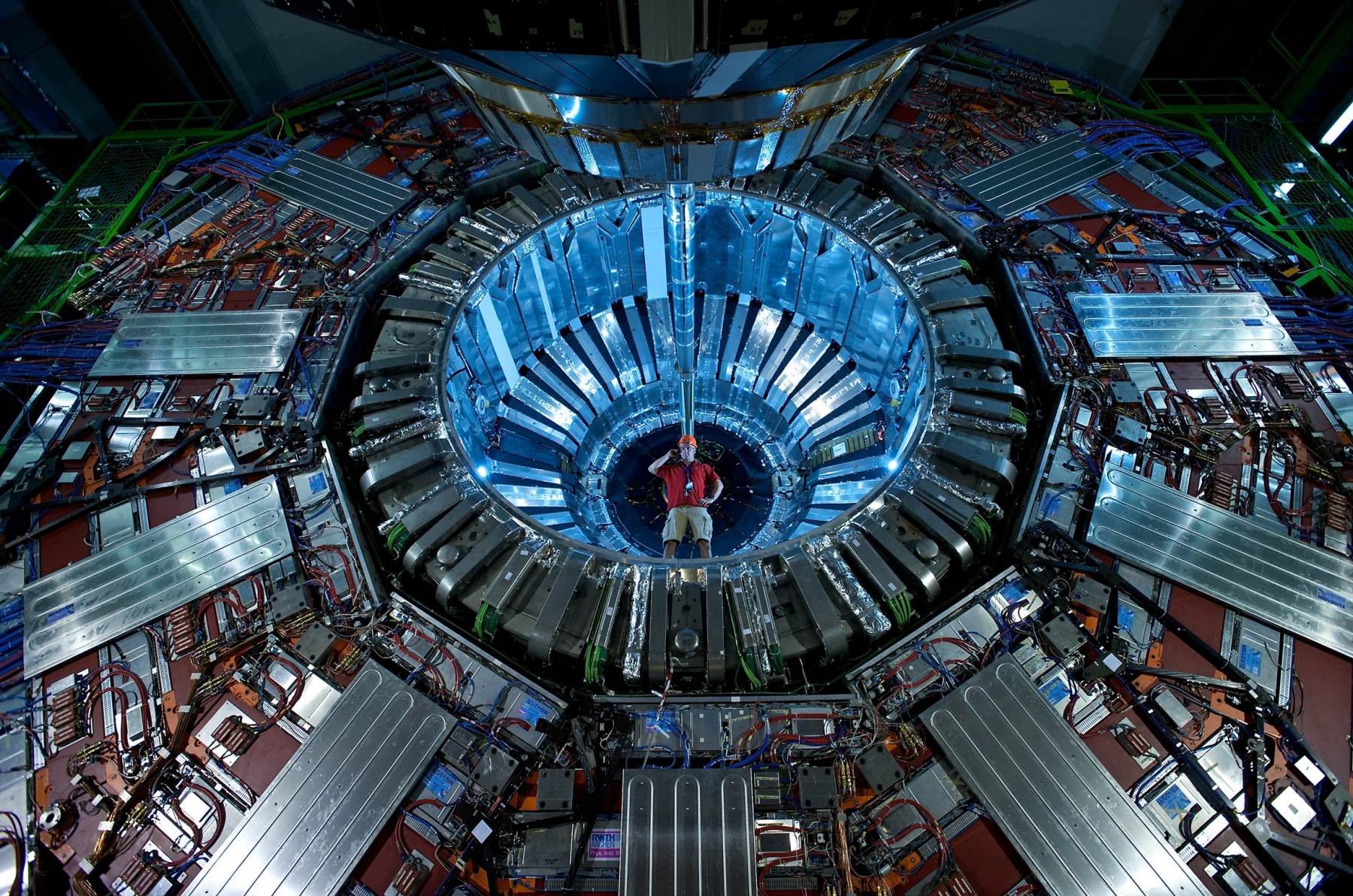
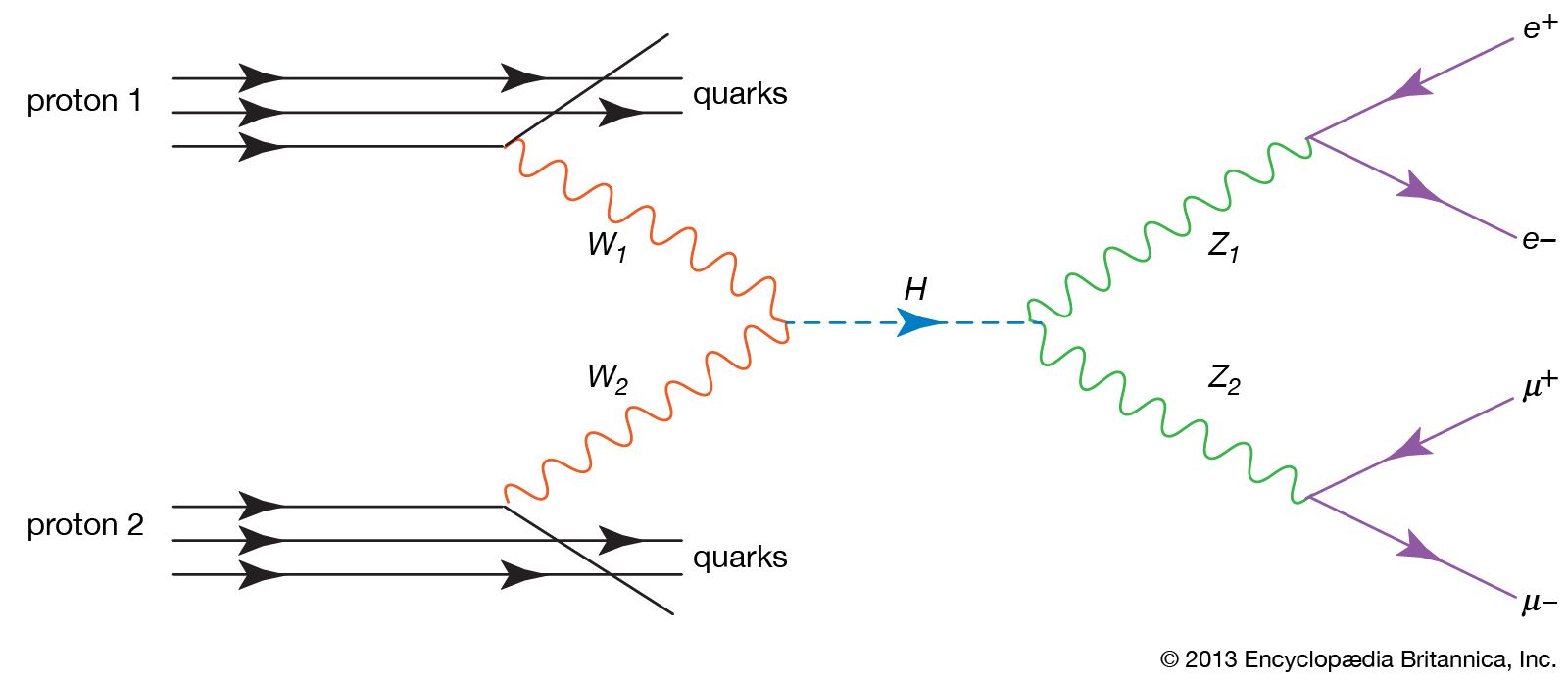
Definition The European Organization for Nuclear Research (CERN) and the Fermi National Accelerator Laboratory (Fermilab) are two of the most influential research institutions in particle physics. Both play critical roles in advancing our comprehension of the universe’s most basic building blocks by conducting cutting-edge experiments and fostering international scientific collaboration. Institutional Background and Mission CERN: […]

Read More →

Which particle does not contribute mass to the atom?

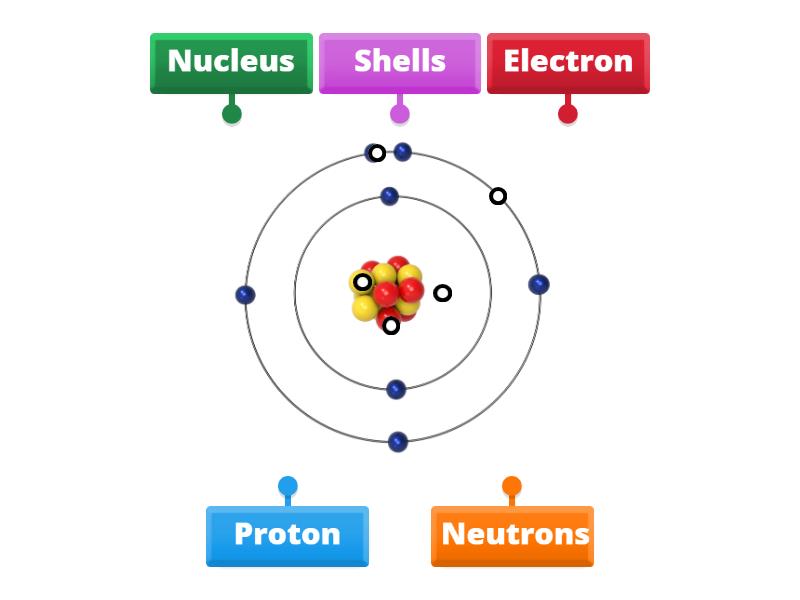
Definition of Subatomic Particles Atoms, the building blocks of matter, consist of smaller particles known as subatomic particles. The primary constituents include protons, neutrons, and electrons, each playing distinct roles in defining the atom’s properties. While protons and neutrons reside in the nucleus and contribute most of the atom’s mass, electrons orbit the nucleus and […]

Read More →

Does quark really exist?

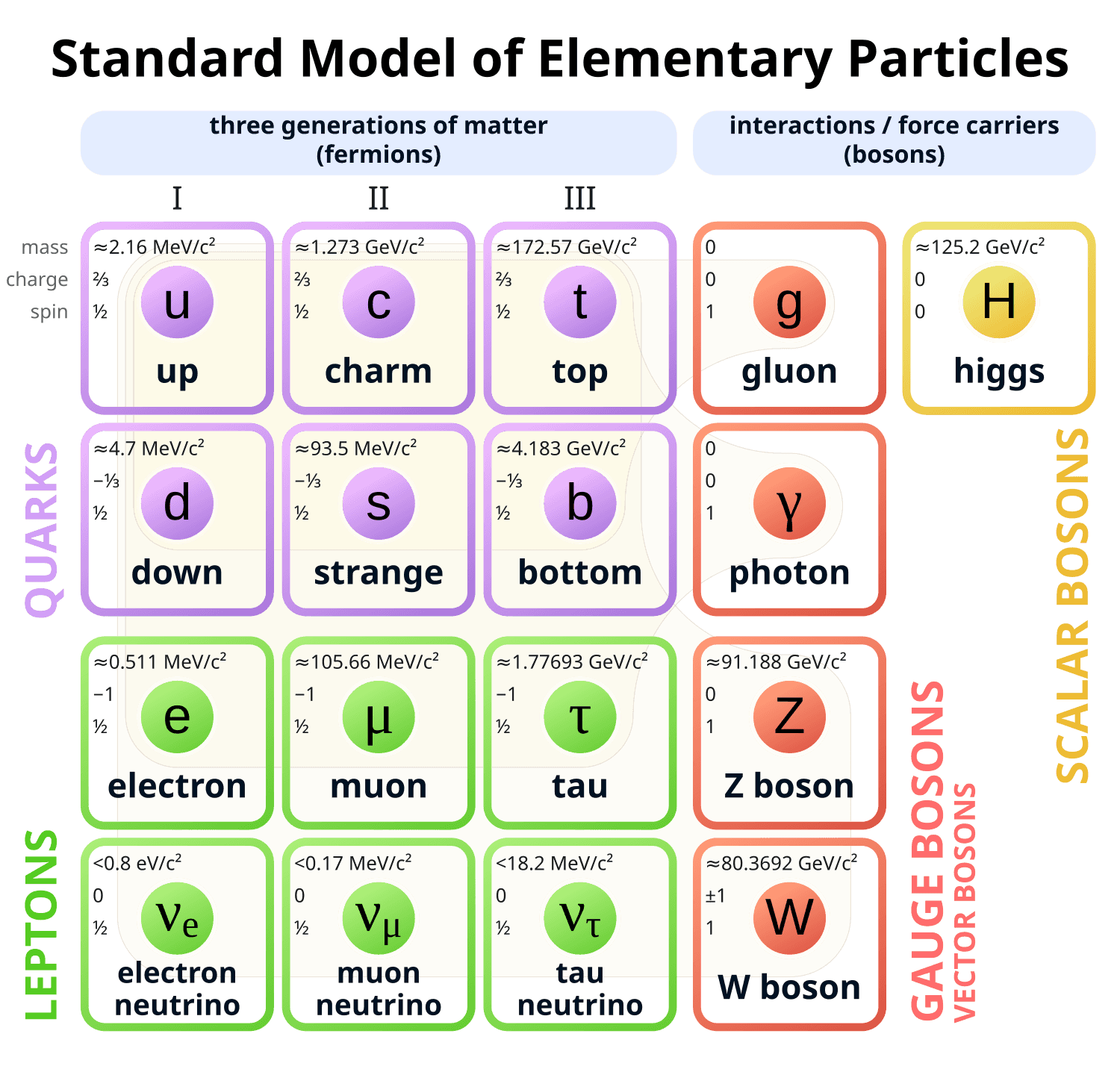
Definition of Quarks Quarks are fundamental particles that serve as the essential components of hadrons, such as protons and neutrons, which constitute atomic nuclei. Within the Standard Model of particle physics, quarks are characterized by several distinctive features: Fractional Electric Charge: Quarks carry electric charges of either +2/3 or -1/3, unlike the integer charges observed […]

Read More →

Is CERN going to destroy the planet and the universe?

Overview of CERN and Its Scientific Mission The European Organization for Nuclear Research, commonly known as CERN, stands as a pivotal institution in the field of particle physics. Renowned worldwide, CERN operates the Large Hadron Collider (LHC), the most powerful particle accelerator ever constructed. This facility draws international scientific collaboration and public interest alike, not […]

Read More →

What is the meaning of ‘Lagrangian’ in particle physics?

Definition of the Lagrangian in Particle Physics In particle physics, the term “Lagrangian” refers to a fundamental function that encapsulates the dynamics governing physical systems. Originating from analytical mechanics, the Lagrangian provides a framework to describe how particles and fields evolve over time. It is typically symbolized as L and defined as the difference between […]

Read More →

Why did you become a particle physicist?

Understanding Particle Physics Particle physics is a branch of science dedicated to investigating the most elementary building blocks of matter and the forces governing their interactions. It addresses fundamental questions about the origin and nature of the universe, seeking to uncover the constituents that form everything around us. Core Motivations Behind Pursuing Particle Physics The […]

Read More →

What are your most insightful thoughts on neutrinos?

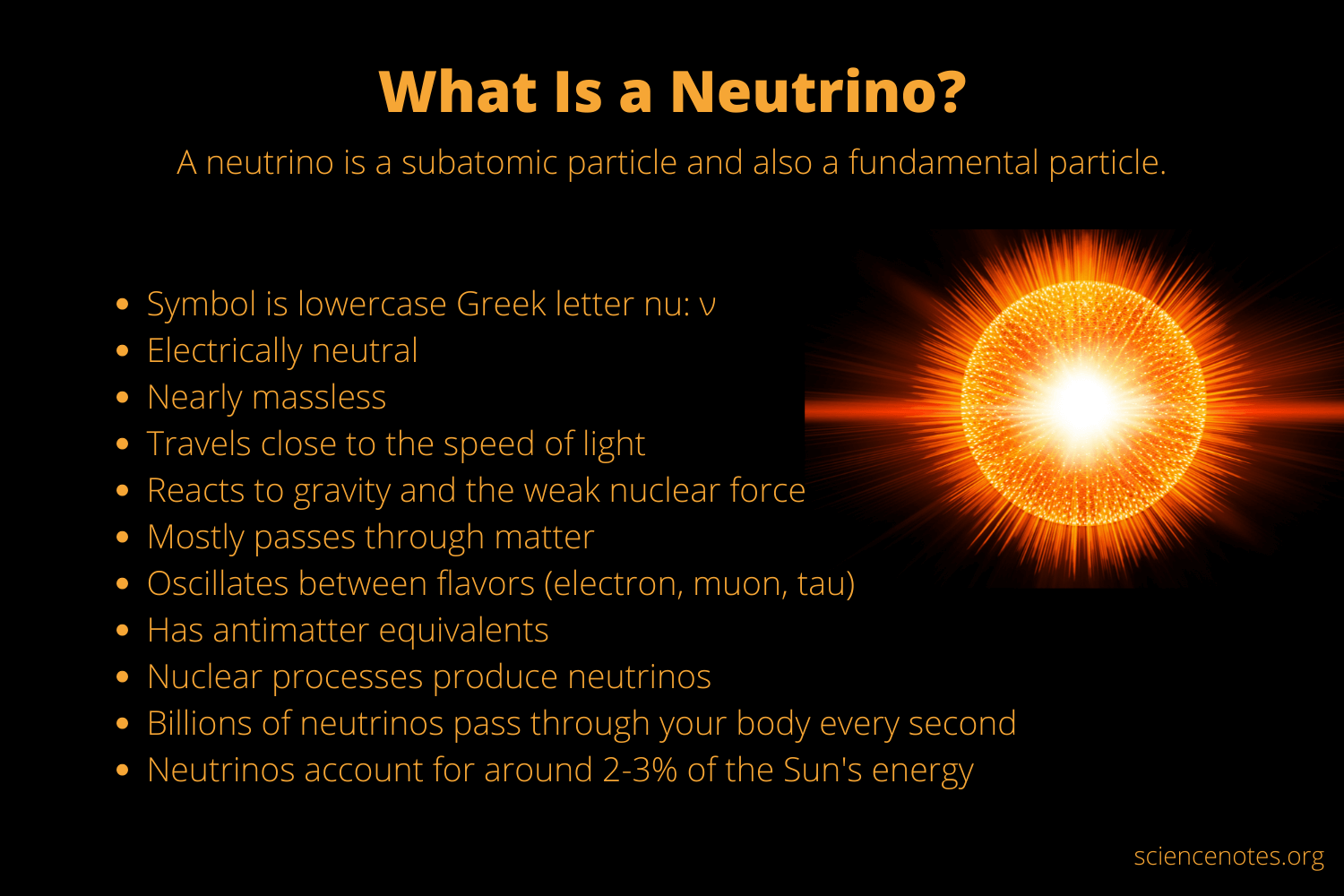
Definition and Fundamental Characteristics of Neutrinos Neutrinos are subatomic particles that are incredibly elusive and travel through space at velocities approaching the speed of light. They are generated by essential natural phenomena such as nuclear fusion within stars, radioactive decay processes, and various cosmic events. Despite their abundance, neutrinos interact very weakly with matter, making […]

Read More →

What particle is associated with beta decay?

Definition of Beta Decay Beta decay is a form of radioactive transformation occurring within unstable atomic nuclei, where a nucleus changes its composition by emitting a beta particle. This process alters the identity of the element by modifying its atomic number. Beta decay manifests in two primary types: beta-minus (β–) decay and beta-plus (β+) decay, […]

Read More →