Do elementary particles have shape?

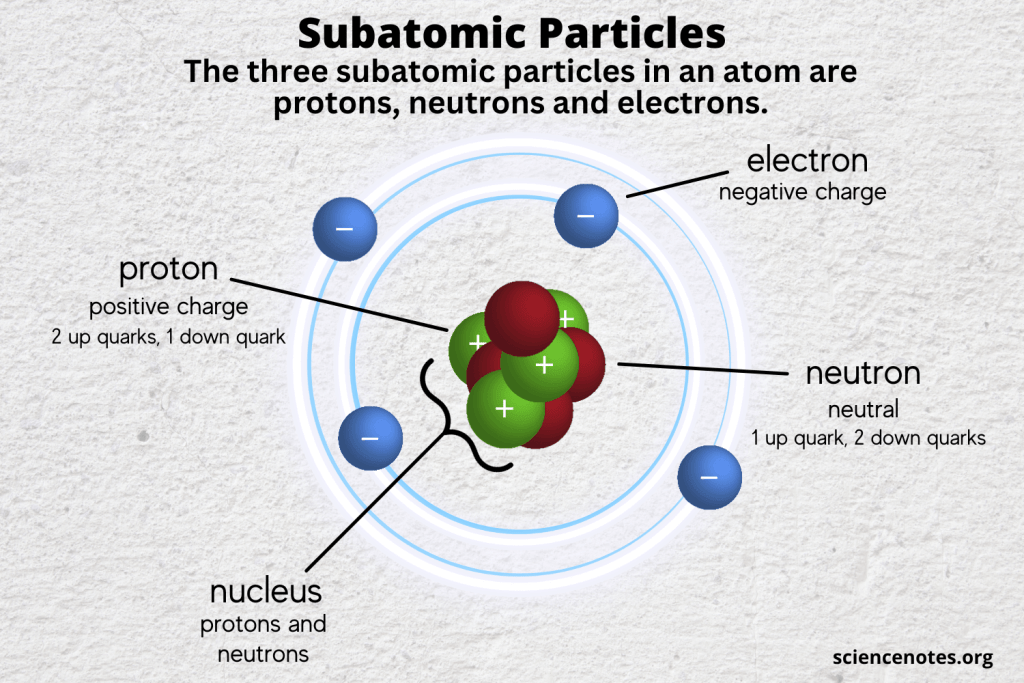
When we embark upon the intriguing exploration of atomic and subatomic realms, we grapple with a question that tantalizes physicists and philosophers alike: Do elementary particles have shape? This inquiry melds with the fundamental principles of particle physics, steeped in the tenets of quantum mechanics and the Standard Model. While we often visualize macroscopic objects […]

Read More β†’

Do quarks create their own gluons?

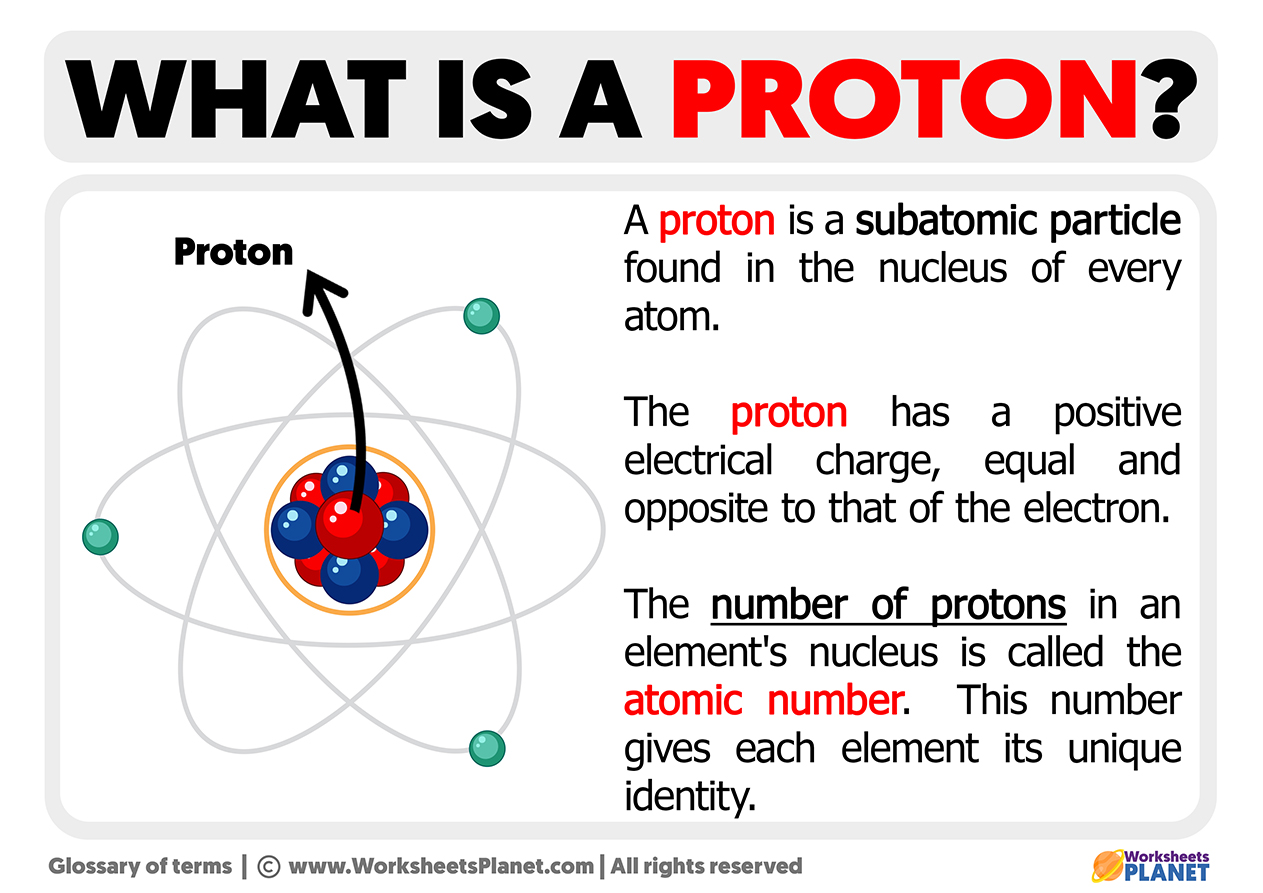
In the realm of particle physics, the standard model lays the foundation for our understanding of the subatomic world. Central to this model are quarks, which are elementary particles and fundamental constituents of matter, combining to form protons and neutrons. An intriguing feature of quarks is their interaction mediated by gluons. This prompts a compelling […]

Read More β†’

What are the physics behind the Hadron Collider?

The Large Hadron Collider (LHC), a monumental scientific apparatus situated at CERN near Geneva, Switzerland, is arguably one of the crown jewels in modern physics. This colossal structure, spanning a circumference of approximately 27 kilometers (16.8 miles), serves as a particle accelerator that propels protons and heavy ions towards velocities approaching the speed of light. […]

Read More β†’

Why are there 12 fundamental particles?

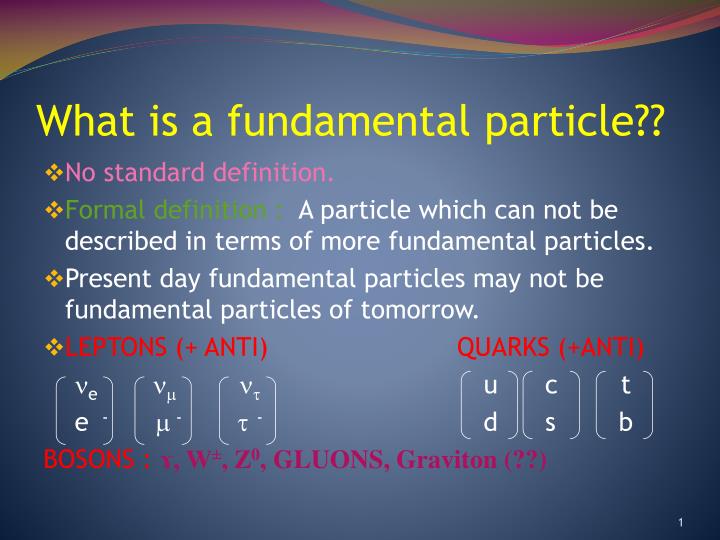
In the realm of particle physics, the understanding of matter at its most fundamental level has engendered a complex yet immensely fascinating landscape. Among the pivotal questions that arise within this discipline is: Why are there 12 fundamental particles? This inquiry delves into the very essence of our universe, illuminating the intricate relationships between the […]

Read More β†’

What is the Large Hadron Collider and what are its uses?

The Large Hadron Collider (LHC) stands as one of humanity’s most formidable scientific instruments, engineered to probe the very fabric of the universe. Nestled beneath the Franco-Swiss border, this extraordinary facility spans approximately 17 miles in circumference, housing an intricate network of superconducting magnets and detectors. Through its colossal capabilities, the LHC explores fundamental questions […]

Read More β†’

Can you explain a neutrino?

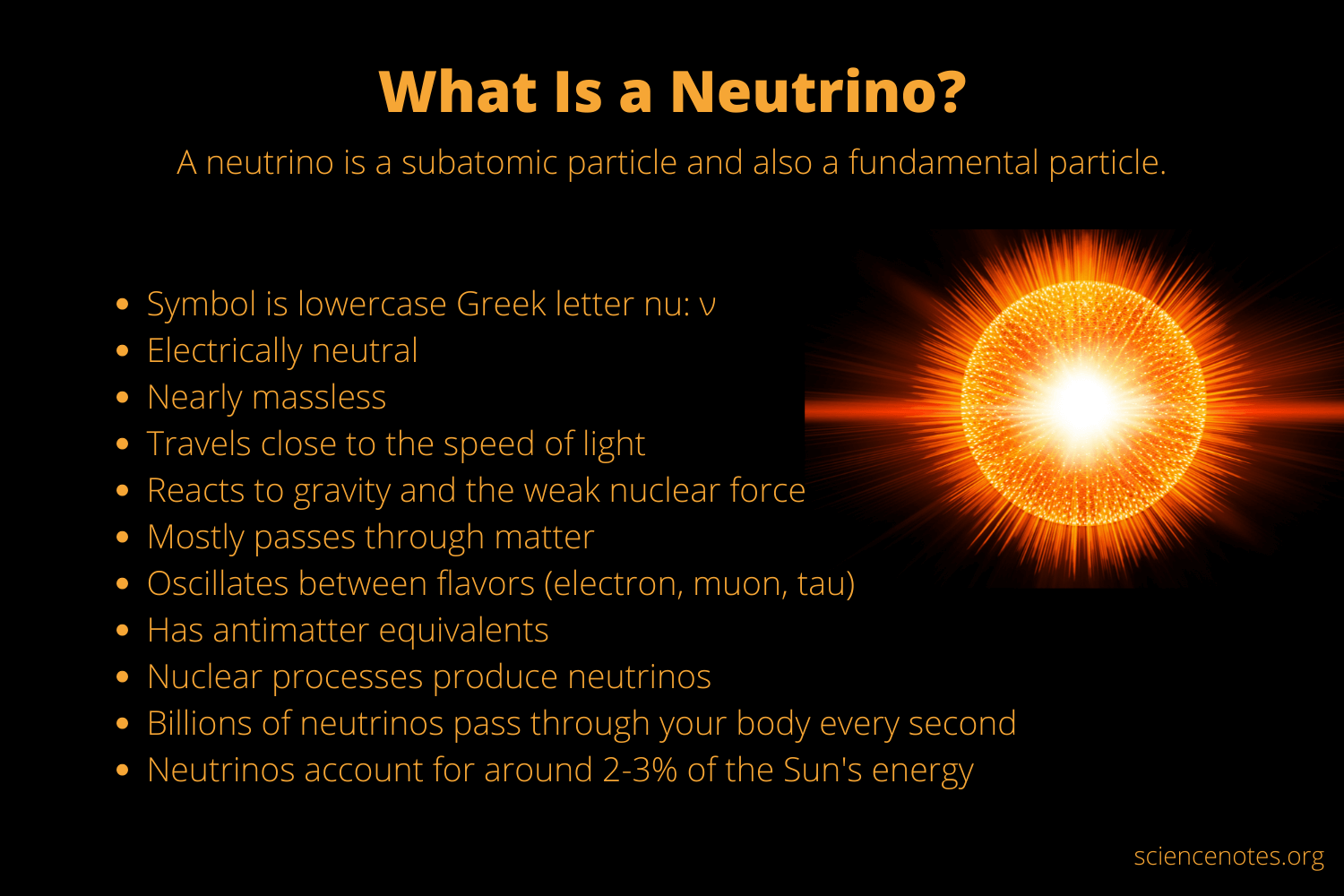
Neutrinos, enigmatic subatomic particles that saturate our universe, have garnered fascination and extensive study since their theoretical inception in 1930 by Wolfgang Pauli. These particles are distinguished by their elusive nature and their fundamental role in the workings of the universe. Specifically, neutrinos are classified as leptons and possess no electric charge, which renders them […]

Read More β†’

What risks does CERN pose if any?

The European Organization for Nuclear Research, renowned as CERN, has long captivated the world’s imagination with its groundbreaking pursuit of fundamental physics. However, as this esteemed institution conducts experiments involving colossal energies and subatomic particles, one must ponder: what risks does CERN pose, if any? This exploration uncovers a multifaceted landscape of scientific enigmas and […]

Read More β†’

How was the axial Higgs boson discovered?

The axial Higgs boson, a pivotal entity within the Standard Model of particle physics, serves as a cornerstone in our understanding of mass generation. Its discovery, akin to unearthing a long-sought treasure in the depths of the cosmos, has profound implications for theoretical physics and our comprehension of the universe. This article delineates the intricate […]

Read More β†’