Can Gravity Ever Defeat Dark Energy?

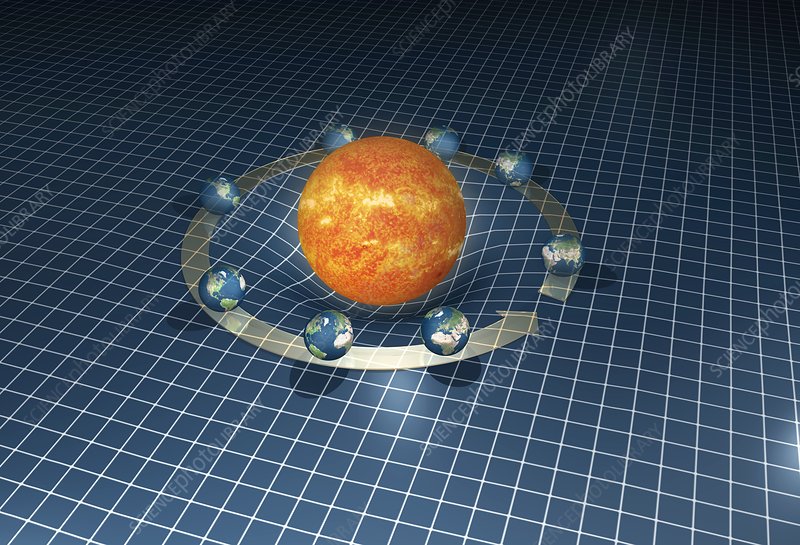
Understanding the Cosmic Forces: Gravity and Dark Energy Within the vast expanse of the cosmos, two monumental forces engage in a profound interaction that shapes the universe’s evolution: gravity and dark energy. Gravity acts as the universe’s primordial architect, gradually assembling matter into stars, galaxies, and clusters-creating luminous islands amid the vast darkness of space. […]

Read More →

How Do Scientists Measure Gravity Across Planets?

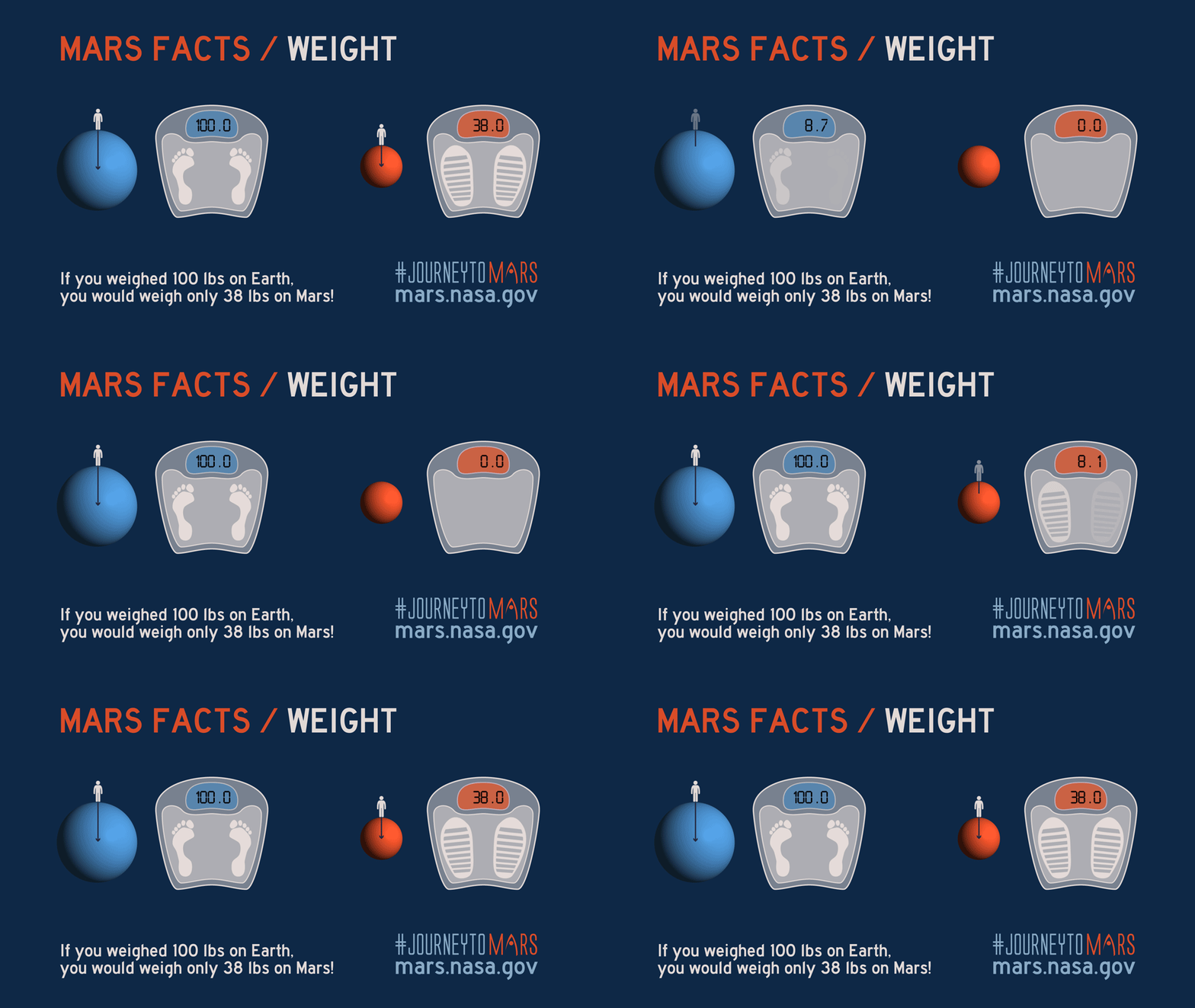
Definition of Gravity in Planetary Contexts Gravity is the fundamental force that causes two masses to attract each other. On Earth, this force results in a consistent acceleration of approximately 9.8 meters per second squared, which governs how objects fall and move. When considering other planets, gravity varies depending on factors such as the planet’s […]

Read More →

What Happens When Gravity Fights the Expanding Universe?

Definition The interaction between gravity and the expanding universe represents a fundamental cosmic phenomenon where two opposing forces shape the structure and evolution of the cosmos. Gravity, the attractive force pulling matter together, competes with the universe’s expansion, which stretches spacetime and drives galaxies apart. This dynamic interplay governs the formation of celestial bodies and […]

Read More →

What Happens When Gravity Is Compressed to Extremes?

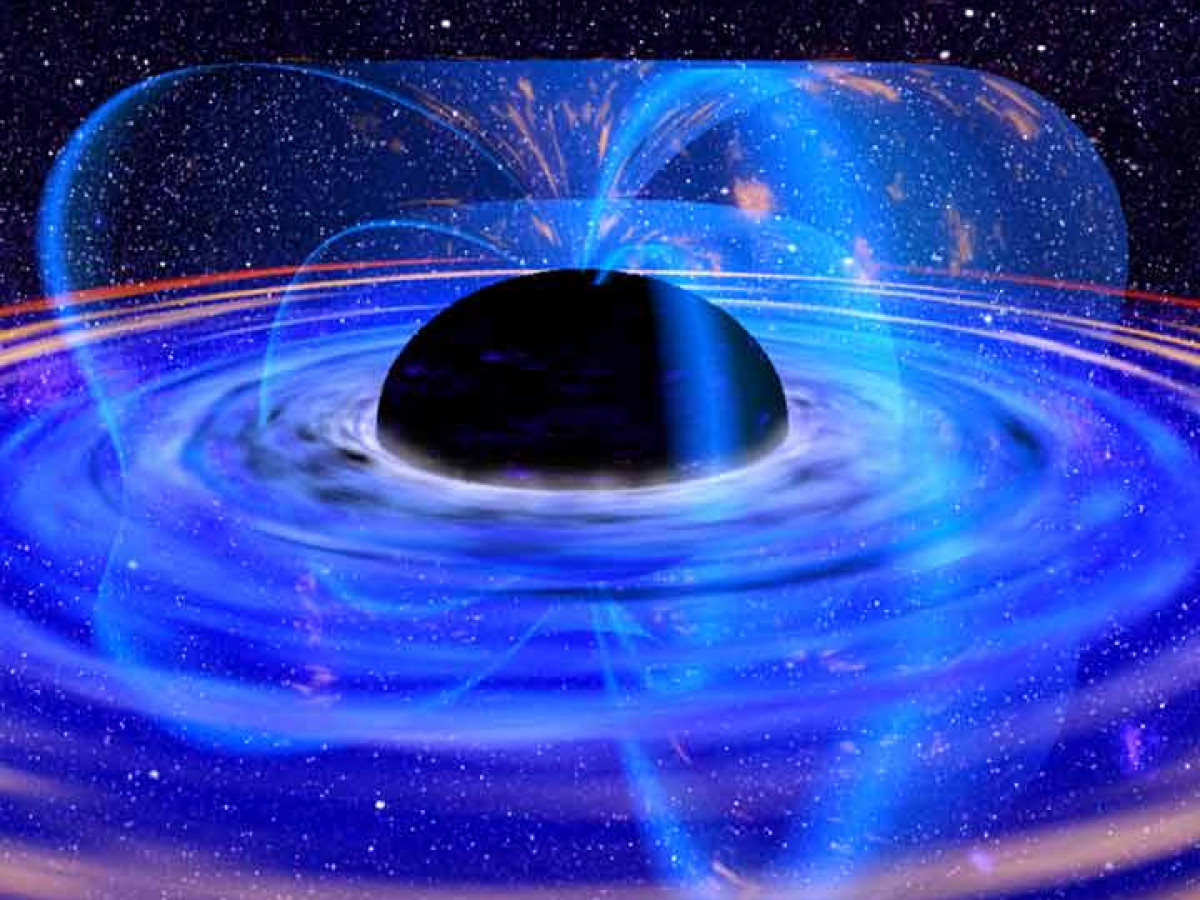
Definition of Gravitational Compression Gravitational compression refers to the process by which gravity exerts an intense inward force on matter, causing it to condense into increasingly dense states. This phenomenon is fundamental in shaping cosmic structures, from planets and stars to the most extreme objects in the universe such as neutron stars and black holes. […]

Read More →