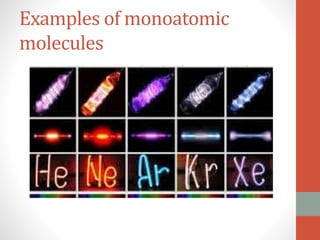
What are monoatomic molecules?

Definition of Monoatomic Molecules Monoatomic molecules are chemical entities consisting of a single atom, distinguishing them from polyatomic molecules that contain two or more atoms bonded together. This unique classification plays a crucial role in chemistry and physics by providing insight into elemental characteristics, atomic interactions, and the fundamental components of matter. Monoatomic: Composed of […]


Read More →

How can chemistry be related to computer science?

Definition and Overview Chemistry and computer science, though traditionally viewed as distinct disciplines, are increasingly intertwined in ways that drive significant scientific progress. This interdisciplinary fusion leverages computational tools to enhance chemical research, enabling scientists to explore molecular phenomena with greater accuracy and efficiency. The integration of these fields fosters innovative approaches that expand the […]

Read More →

Do we have lots of physics and chemistry in EIE course?

Definition of Electrical and Instrumentation Engineering (EIE) Electrical and Instrumentation Engineering (EIE) is a specialized branch of engineering that integrates principles from physics and chemistry to develop and manage electrical systems and instrumentation technologies. This discipline equips students with a comprehensive understanding of the scientific foundations that underpin modern electrical devices, control systems, and measurement […]

Read More →

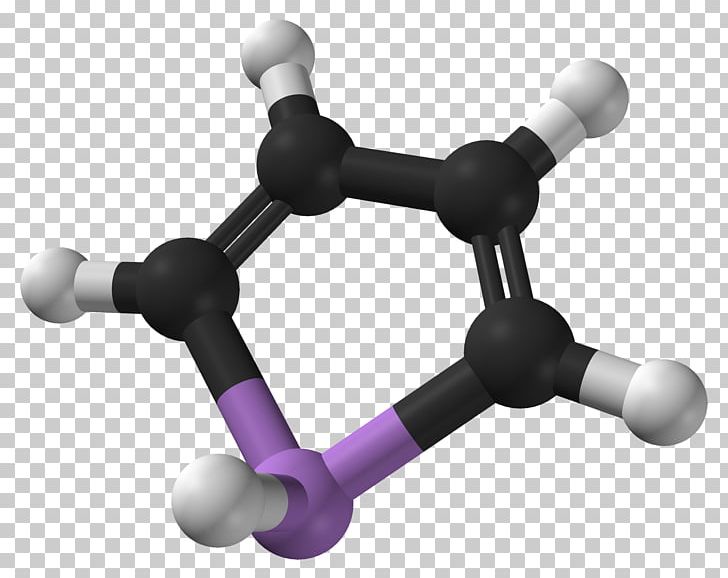
Chemistry: What do the molecular orbitals of arsole look like?

Definition of Arsole Arsole is an organoarsenic compound characterized by a five-membered aromatic ring in which an arsenic atom replaces one of the carbon atoms typically found in analogous heterocycles like pyrrole. This substitution results in a unique molecular structure that exhibits aromaticity, a key feature influencing its chemical properties and stability. Although less prevalent […]

Read More →

Have we discovered every possible molecule yet?

Definition of Molecules and Molecular Diversity A molecule is a chemical entity composed of two or more atoms bonded together through covalent interactions. These structures exhibit an extraordinary range of complexity and diversity, spanning from simple diatomic molecules to intricate three-dimensional frameworks. The theoretical number of possible molecular configurations is immense, especially when considering organic […]

Read More →

Can molecules form chemical bond?

Definition of Chemical Bonds Chemical bonds are the fundamental forces that hold atoms together within molecules, enabling the formation of diverse substances. These bonds arise from interactions between electrons in atoms, resulting in stable molecular structures. Understanding chemical bonding is essential to grasp how atoms combine to form the myriad compounds found in nature and […]

Read More →

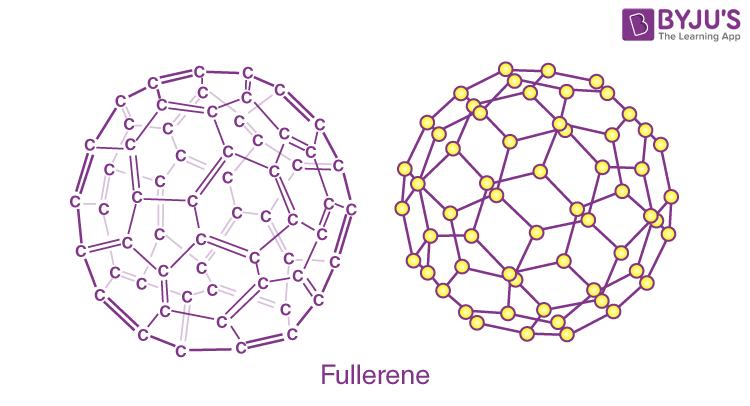
Buckyballs Bounce Back: Fullerene Chemistry Strikes Again

Definition and Overview of Fullerenes Fullerenes represent a broad class of carbon allotropes distinguished by their unique molecular structures. These carbon-based molecules are not only a captivating subject within contemporary chemistry but also hold significant promise for advancing nanotechnology. Among the various fullerenes, the spherical C60 molecule-commonly known as the “buckyball”-stands out as the most […]

Read More →

What is the meaning of bonding in chemistry?

Definition of Chemical Bonding Chemical bonding refers to the process by which atoms connect to form more complex substances. Rather than existing independently, elements interact through various forces that enable the creation of molecules and compounds. This fundamental concept in chemistry reveals the underlying structure and behavior of matter, highlighting the intricate and harmonious relationships […]

Read More →