
Short Answer
Understanding the Role of Chemistry and Physics in Medicine
The path to becoming a physician involves mastering a variety of scientific disciplines that form the foundation of medical knowledge. Among these, chemistry and physics stand out as essential fields. This raises an important inquiry: which of these sciences holds greater significance in the practice of medicine? Rather than viewing chemistry and physics as competitors, examining their complementary roles offers valuable insight into their collective impact on healthcare.
Definition and Importance of Chemistry in Medicine
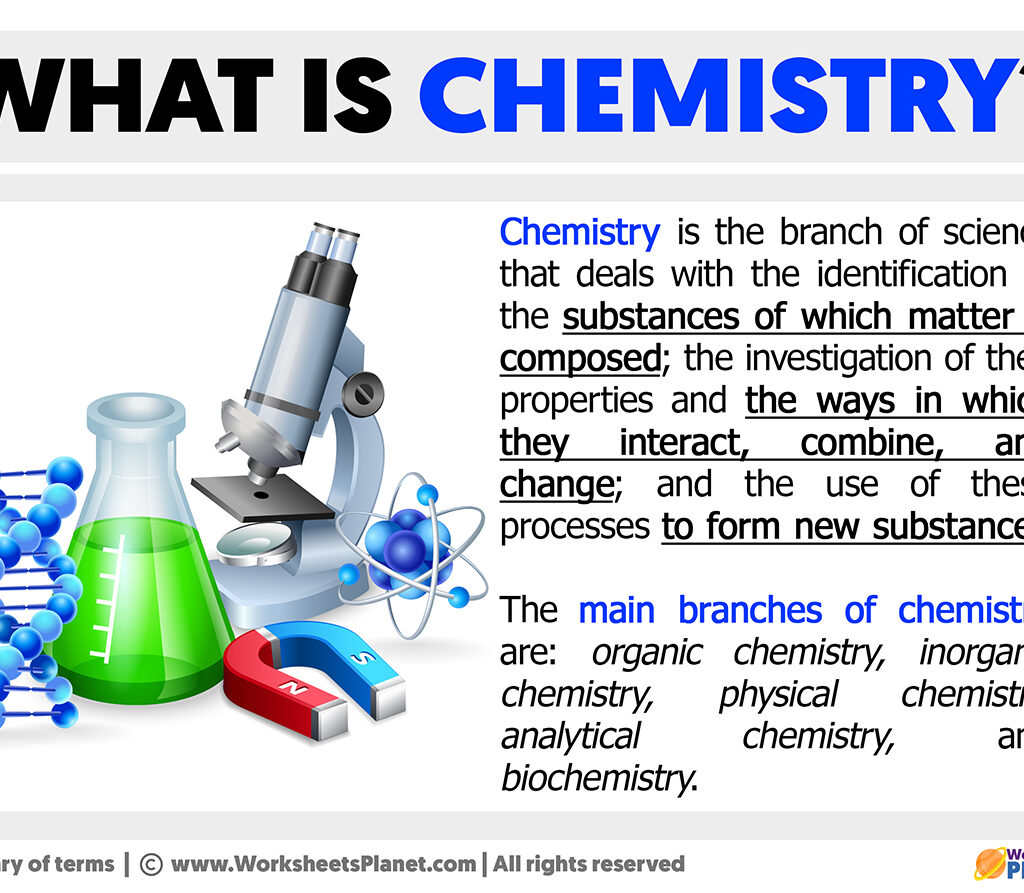
Chemistry, often referred to as the “central science,” serves as a crucial link connecting physics and biology. A deep comprehension of chemical principles is vital for medical professionals, as these concepts underpin numerous biological functions and medical treatments.
- Metabolic Processes:
Chemical reactions govern the complex pathways that sustain life, such as cellular respiration and enzymatic activity. - Pharmacology:
Understanding drug interactions at the molecular level, including chemical bonding and reaction mechanisms, is essential for safe and effective medication use. - Acid-Base Balance:
Knowledge of chemical equilibria helps in managing conditions like metabolic acidosis or alkalosis, where maintaining pH balance is critical.
Physics and Its Influence on Medical Practice
Physics contributes significantly to the technological and physiological aspects of medicine. Its principles are foundational to the development and operation of diagnostic and therapeutic tools.
- Medical Imaging:
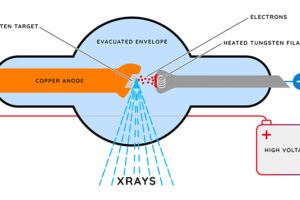
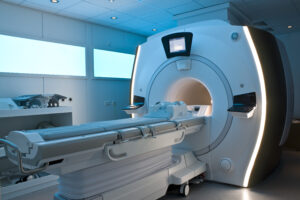
Techniques such as X-rays, MRI, and ultrasound rely on electromagnetic and mechanical physics to visualize internal body structures. - Hemodynamics:
The study of blood flow dynamics, governed by fluid mechanics, is crucial for understanding cardiovascular health and disease. - Biomechanics:
Physics explains the mechanical forces acting on bones, muscles, and tissues, informing surgical procedures and rehabilitation.
Interconnection Between Chemistry and Physics in Medicine
Modern medicine increasingly recognizes the intertwined nature of chemistry and physics. Both sciences contribute to a comprehensive understanding of human health and disease, making it impractical to prioritize one over the other.
For example, in clinical scenarios such as evaluating chest pain, a physician must interpret chemical data from blood tests alongside physical assessments of heart function. This integrated approach leads to more accurate diagnoses and effective treatment plans.
Educational Approaches and Interdisciplinary Integration
Medical education is evolving to emphasize the synthesis of chemistry, physics, and biology. Curricula that foster interdisciplinary learning prepare future doctors to think critically and apply knowledge across scientific domains.
Programs that blend these subjects encourage students to appreciate the interconnectedness of scientific principles, enhancing their ability to innovate and improve patient care.
Advancements in Medical Technology: A Fusion of Sciences
Technological progress in medicine often arises from the convergence of chemical and physical sciences. For instance, targeted drug delivery systems combine chemical engineering with physical principles to optimize therapeutic outcomes.
Similarly, cutting-edge techniques like CRISPR gene editing require an understanding of molecular chemistry and the physical mechanics of DNA manipulation, illustrating the collaborative nature of these disciplines.
Common Misconceptions About Chemistry and Physics in Medicine
Chemistry is more important than physics in medicine.
Both sciences are equally vital, each contributing unique insights essential for comprehensive medical practice.
Physics is only relevant for medical technology specialists.
Physicians also need a solid grasp of physics to understand physiological processes and interpret diagnostic tools effectively.
Why Chemistry and Physics Are Both Essential in Medicine
The synergy between chemistry and physics equips medical professionals with a versatile skill set necessary for addressing complex health challenges. Mastery of chemical interactions aids in understanding bodily functions and pharmacology, while physics provides the framework for interpreting diagnostic technologies and physiological mechanics.
Ultimately, the integration of these sciences enhances diagnostic accuracy, treatment efficacy, and the development of innovative medical solutions, underscoring their indispensable roles in healthcare.
FAQ
What role does chemistry play in medicine?
Chemistry is fundamental for understanding metabolic processes, drug interactions, and acid-base balance in the body.
What role does physics play in medical practice?
Physics is crucial for the development of medical imaging technologies and understanding physiological processes.




Leave a Reply