
Short Answer
Definition of Atomic Mass and Molecular Mass
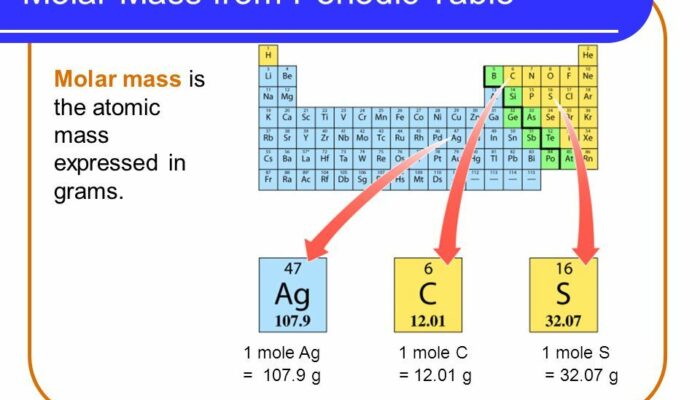
Atomic mass and molecular mass are pivotal concepts in chemistry and physics that describe the mass characteristics of atoms and molecules, respectively. Atomic mass, measured in unified atomic mass units (u or amu), represents the mass of a single atom of an element. This value accounts for the combined mass of protons and neutrons in the atom’s nucleus. Molecular mass, on the other hand, is the total mass obtained by summing the atomic masses of all atoms constituting a molecule, reflecting the molecule’s overall mass based on its atomic composition.
- Atomic Mass:
The mass of an individual atom, primarily determined by its protons and neutrons. - Molecular Mass:
The aggregate mass of all atoms in a molecule, calculated by adding their respective atomic masses.
Isotopes and Their Influence on Atomic Mass
Atomic mass is not a fixed value for an element due to the existence of isotopes-variants of the same element differing in neutron count. These isotopes contribute to variations in atomic mass, as the atomic mass listed on the periodic table is a weighted average based on the natural abundance of each isotope. This isotopic diversity adds complexity to the concept of atomic mass and plays a crucial role in various scientific fields.
Applications of Atomic Mass in Science
The concept of atomic mass extends beyond theoretical chemistry, impacting multiple disciplines:
- Geology:
Radiometric dating techniques utilize isotopic masses to accurately determine the age of rocks and fossils. - Forensic Science:
Isotopic analysis aids in criminal investigations by tracing molecular signatures in evidence. - Medicine:
Diagnostic imaging often employs isotopes as tracers, leveraging differences in atomic mass for medical insights.
Role of Molecular Mass in Chemical Reactions
Molecular mass is essential in understanding and quantifying chemical reactions. It serves as a fundamental parameter in stoichiometry, enabling chemists to calculate the amounts of reactants and products involved. By converting molecular mass to moles, scientists can relate macroscopic quantities to the number of molecules, facilitating precise chemical measurements and predictions.
Connection Between Molecular Mass and Gas Behavior
The molecular mass of gases directly influences their physical behavior, as described by the Ideal Gas Law. The molar mass, derived from molecular mass, affects how gases respond to changes in temperature and pressure. This relationship bridges microscopic molecular properties with macroscopic gas behavior, highlighting the importance of molecular mass in physical chemistry.
Molecular Mass in Biochemical Processes
In biological systems, molecular mass plays a critical role in metabolic and enzymatic activities. Enzymes, which catalyze biochemical reactions, often exhibit specificity based on the molecular mass of their substrates. This specificity affects reaction rates and efficiencies, making molecular mass a key factor in pharmacology and drug design, where it influences drug bioavailability and interaction within the body.
Atomic Structure and Chemical Bonding
Understanding atomic and molecular masses requires insight into atomic structure and bonding. The stability of atoms arises from interactions between electrons and the nucleus, with electron configuration-especially valence electrons-dictating bonding patterns and molecular shapes. These factors collectively determine the diversity and complexity of chemical compounds and biochemical interactions.
Quantum Mechanical Perspective on Atomic Mass
Quantum mechanics provides a deeper understanding of atomic structure by describing the probabilistic distribution of electrons around the nucleus. This framework explains variations in atomic reactivity and underpins periodic trends observed in the periodic table. The interplay between atomic mass and electronic configuration is fundamental to predicting chemical behavior and element properties.
Industrial and Practical Significance
The accurate determination of atomic and molecular masses is vital in various industries. In pharmaceuticals, precise molecular mass measurements guide the synthesis of drugs with specific properties. Similarly, materials science relies on molecular mass data to develop polymers and materials with tailored functionalities, demonstrating the practical application of these fundamental concepts.
Summary: The Importance of Atomic and Molecular Mass
Atomic and molecular masses are more than mere numerical values; they are essential keys to understanding the nature of matter. From isotopic studies to chemical synthesis and biological processes, these measures reveal the intricate fabric of the atomic and molecular world. Their study continues to inspire scientific discovery and innovation across multiple fields, underscoring their enduring significance in both theoretical and applied sciences.
FAQ
What defines atomic mass?
Atomic mass is defined as the mass of a single atom, primarily determined by the number of protons and neutrons.
How is molecular mass calculated?
Molecular mass is calculated by adding the atomic masses of all the atoms in a molecule.
Why does atomic mass vary?
Atomic mass varies due to the existence of isotopes, which are variants of elements with different neutron counts.






Leave a Reply