How do atoms form chemical bonds?

Atoms, the fundamental building blocks of matter, engage in chemical bonding to form molecules and compounds that constitute the diverse array of substances in our universe. The intricate dance of electrons between atoms leads to various types of chemical bonds, each with distinctive properties and roles in the structure and behavior of matter. This discourse […]

Read More →

Do atoms control time?

In the intricate tapestry of the universe, the concept of time has long been a subject of fascination, speculation, and scientific inquiry. For millennia, humans have pondered the nature of time, observing its relentless passage and the rhythms it imparts upon the natural world. Yet, a profoundly intriguing question arises: do atoms control time? To […]

Read More →

What do atoms in the same period have in common?

Atoms, the fundamental building blocks of matter, are organized within the periodic table in a manner that unveils much about their intrinsic characteristics. Each period in the periodic table presents a unique collection of elements, sharing specific attributes while diverging into diverse chemical behaviors. But what precisely links the atoms within the same period? As […]

Read More →

The Structure of Atoms: Spheres Shells and Strange Truths

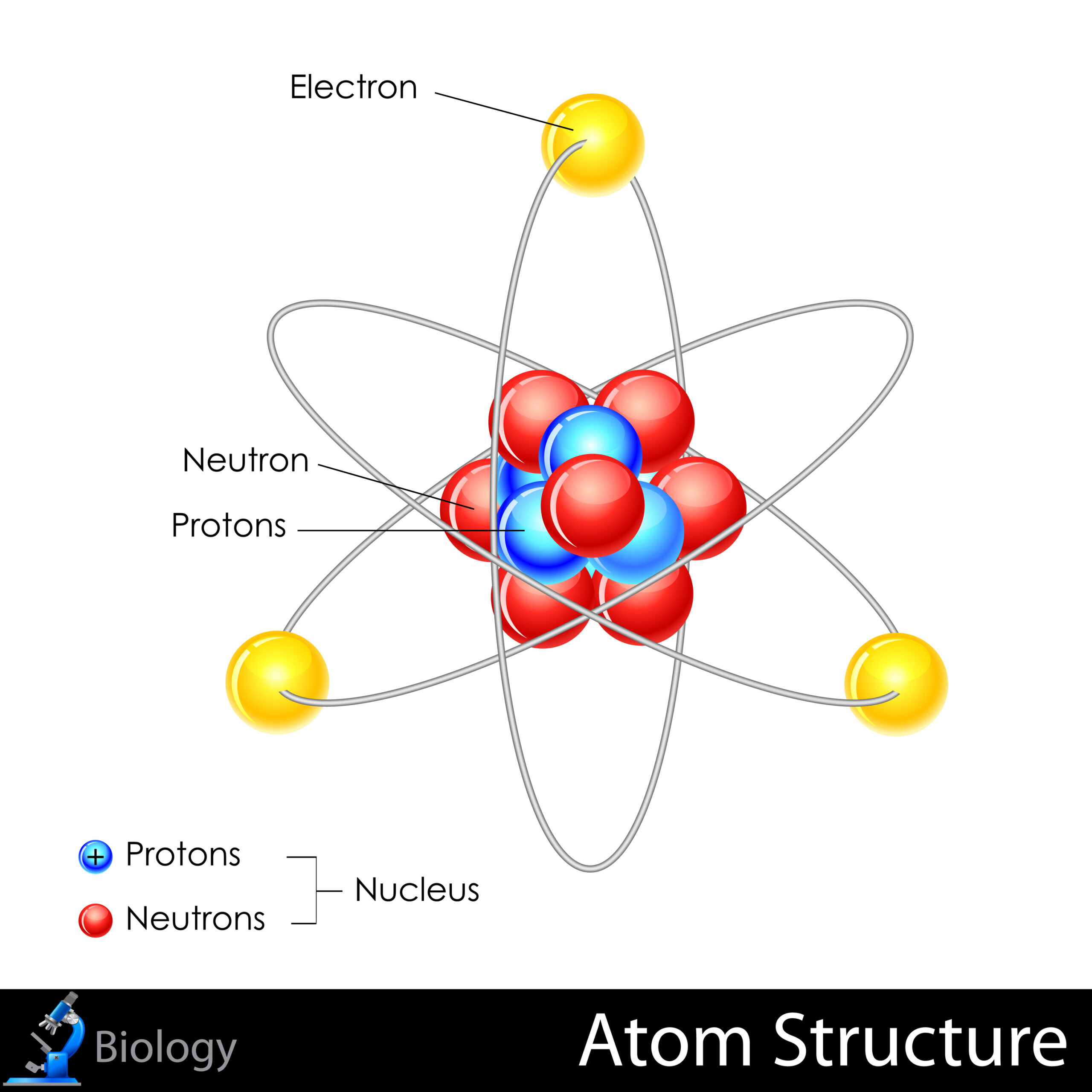
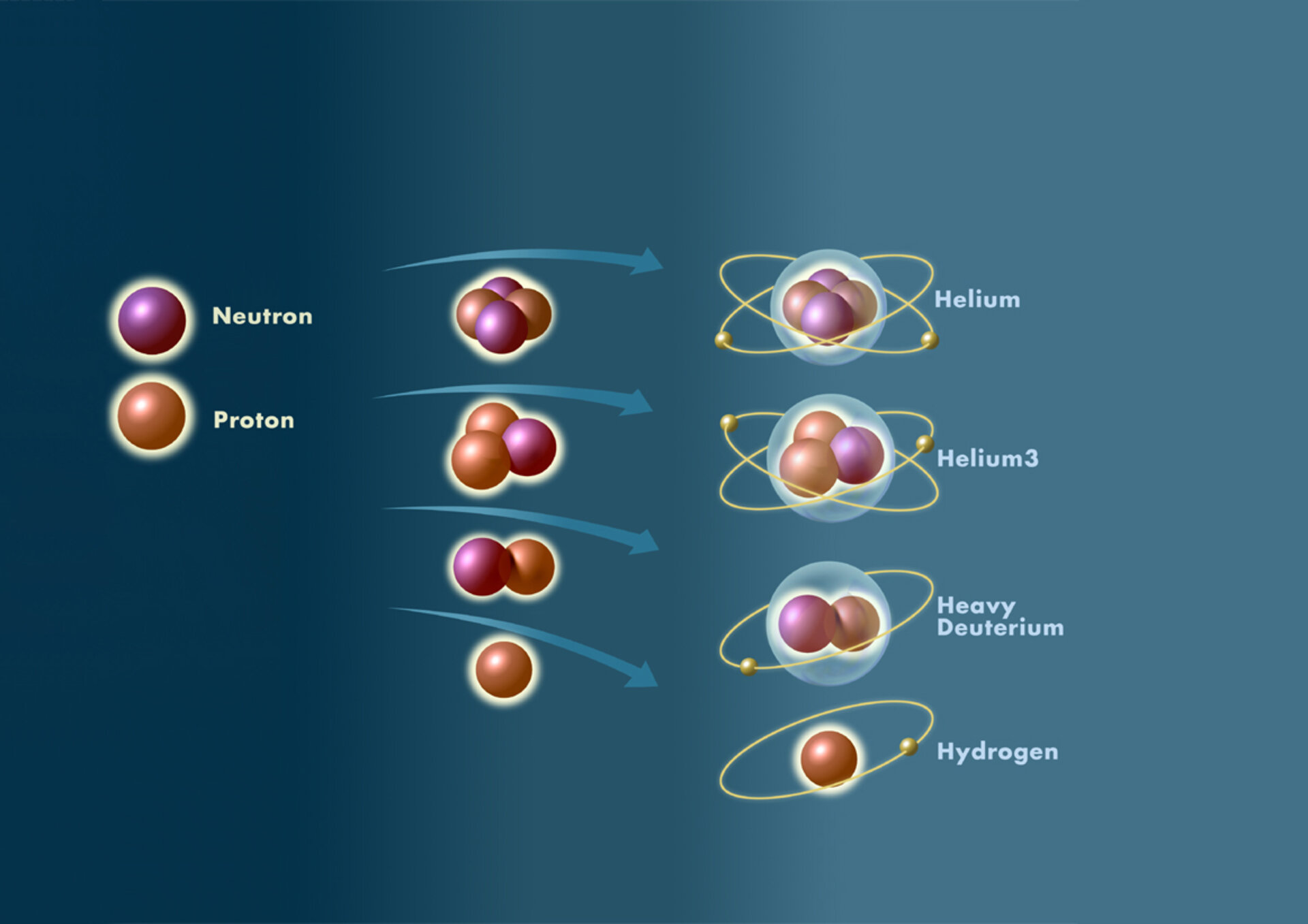
The structure of atoms forms the foundational bedrock of modern physics and chemistry, weaving an intricate tapestry that governs the behavior of matter across the universe. Atoms, often described as the building blocks of all substances, are composed of subatomic particles—protons, neutrons, and electrons—each contributing to the atom’s properties and interactions. This article delves into […]

Read More →

Are atoms chemically bonded in an element?

In the realm of chemistry, the concept of atoms plays a pivotal role. Each element on the periodic table is composed of atoms, yet the questions surrounding whether these atoms are chemically bonded—both within individual elements and between elements—invites significant contemplation. This article will explore the intricate nature of atomic bonding and its implications for […]

Read More →

What type of atom attracts electrons?

The interaction between atoms and their electrons is foundational to the realms of chemistry and physics. Within this complex dance of subatomic particles, certain types of atoms exhibit a proclivity for attracting electrons through various mechanisms. This article endeavors to elucidate the criteria determining which atoms attract electrons, exploring the significance of atomic structure, electronegativity, […]

Read More →

Do atoms have a color or do you dye them to see them?

Atoms, the fundamental building blocks of matter, exist in a realm that often eludes human perception. The inquiry into whether atoms possess color or require external staining methods for visualization invites a nuanced exploration of atomic structure, electromagnetic interactions, and the methodologies employed in microscopy. This discourse undertakes a comprehensive examination of these facets, elucidating […]

Read More →

When we cut a matter do the atoms in them also get cut?

The inquiry into the nature of matter, particularly the atomic structure that constitutes it, raises fundamental questions about the behavior of atoms when macroscopic entities are divided. When we ponder the act of cutting material substances, one might instinctively assume that the process evokes a commensurate fracturing of the atomic constituents. However, the intricacies are […]

Read More →

How many atoms are present in a 0.2 mol H2 molecule?

Understanding the intricacies of molecular chemistry requires an appreciation for how substances are quantized at the atomic level. One fascinating inquiry is the question of how many atoms are present in a given quantity of a molecular species—in this instance, 0.2 moles of diatomic hydrogen (H2). This exploration not only enhances fundamental comprehension of molecules […]

Read More →

Do atoms have memory?

In the realm of physics and chemistry, a tantalizing question has emerged: Do atoms possess memory? While the straightforward answer may initially seem implausible, deeper exploration into quantum mechanics and information theory reveals intricate layers to this inquiry. This discourse aims to unravel the complexities surrounding atomic memory, examining the conceptual frameworks and empirical findings […]

Read More →