How is light absorbed in the atoms?

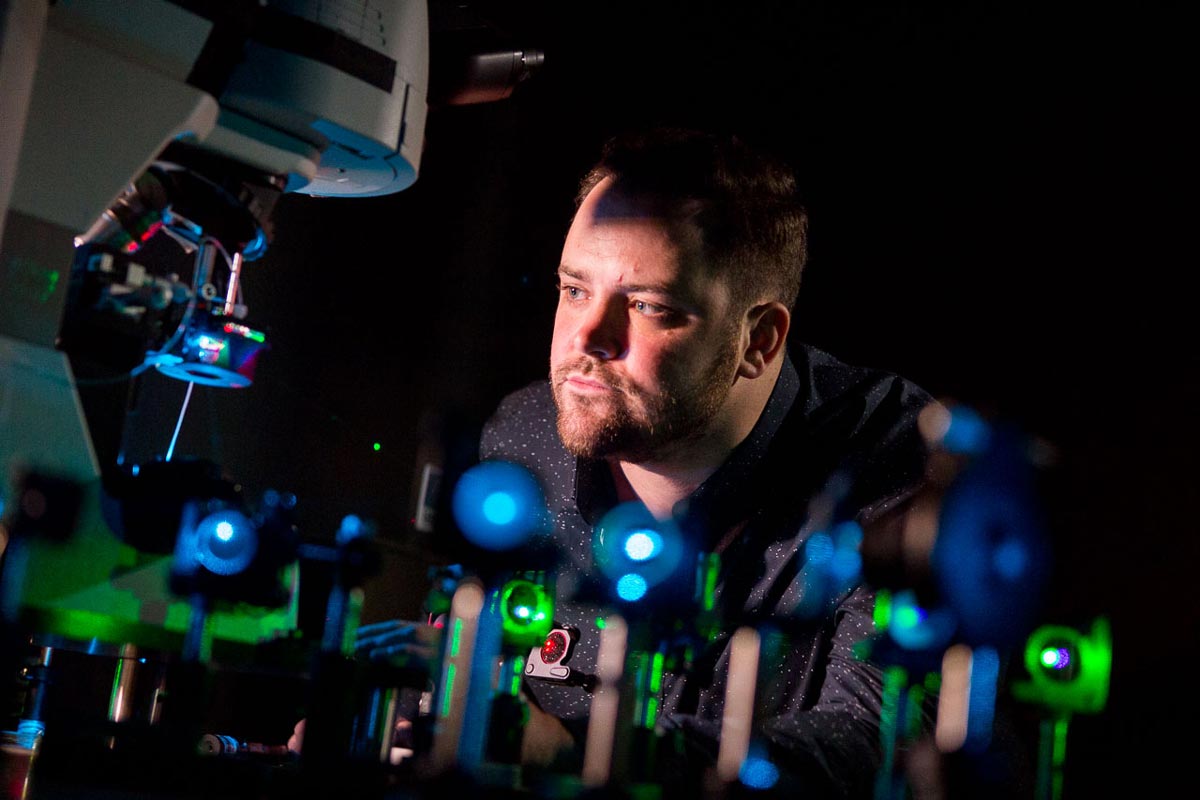
Definition of Light Absorption in Atoms Light absorption at the atomic scale is a fundamental concept in quantum mechanics and atomic physics. It describes the process by which atoms take in electromagnetic radiation, leading to changes in their internal energy states. This interaction between light and matter is crucial for understanding phenomena across various scientific […]

Read More →

What stops atoms from touching?

Definition of Atomic Interaction Atomic interaction refers to the complex set of forces and principles that govern how atoms behave when they come close to one another. Despite their minuscule size, atoms do not simply merge into one continuous mass. Instead, their interactions are dictated by a combination of quantum mechanics, electromagnetic forces, and fundamental […]

Read More →

Why do atoms not divide in a chemical reaction?

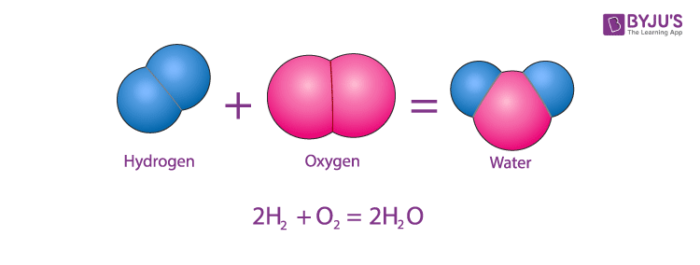
Definition of Atomic Indivisibility in Chemical Reactions In chemistry, a fundamental principle is the conservation of matter, which asserts that atoms remain unchanged during chemical reactions. This means that while substances may transform, the atoms themselves do not split or alter their intrinsic structure. Understanding why atoms maintain their integrity during chemical processes is essential […]

Read More →

Is everything made out of light since every atom is light?

Understanding the Concept: Everything Is Made of Light The idea that “everything is made out of light” invites a profound investigation into the fundamental composition of the universe. This concept bridges physics and philosophy, encouraging us to examine the intricate relationship between light, matter, and energy. By exploring this connection, we gain insight into the […]

Read More →

How many atoms does it take to create light?

Definition of Light Emission from Atoms Light is a fundamental phenomenon that originates from both natural celestial bodies and human-made sources. It is deeply embedded in the structure of the universe and is closely linked to the behavior of atoms. To comprehend how atoms produce light, it is essential to explore the principles of electromagnetic […]

Read More →

How did atoms turn into the first cells?

Definition The transition from atoms to living cells signifies a fundamental milestone in the history of life, representing a profound evolution from basic particles to complex biological systems. This process involves a series of intricate biochemical interactions, environmental factors, and self-organizing mechanisms that collectively gave rise to the earliest forms of life as we recognize […]

Read More →