
Short Answer
Definition
The transition from atoms to living cells signifies a fundamental milestone in the history of life, representing a profound evolution from basic particles to complex biological systems. This process involves a series of intricate biochemical interactions, environmental factors, and self-organizing mechanisms that collectively gave rise to the earliest forms of life as we recognize them today.
Cosmic Origins of Atoms
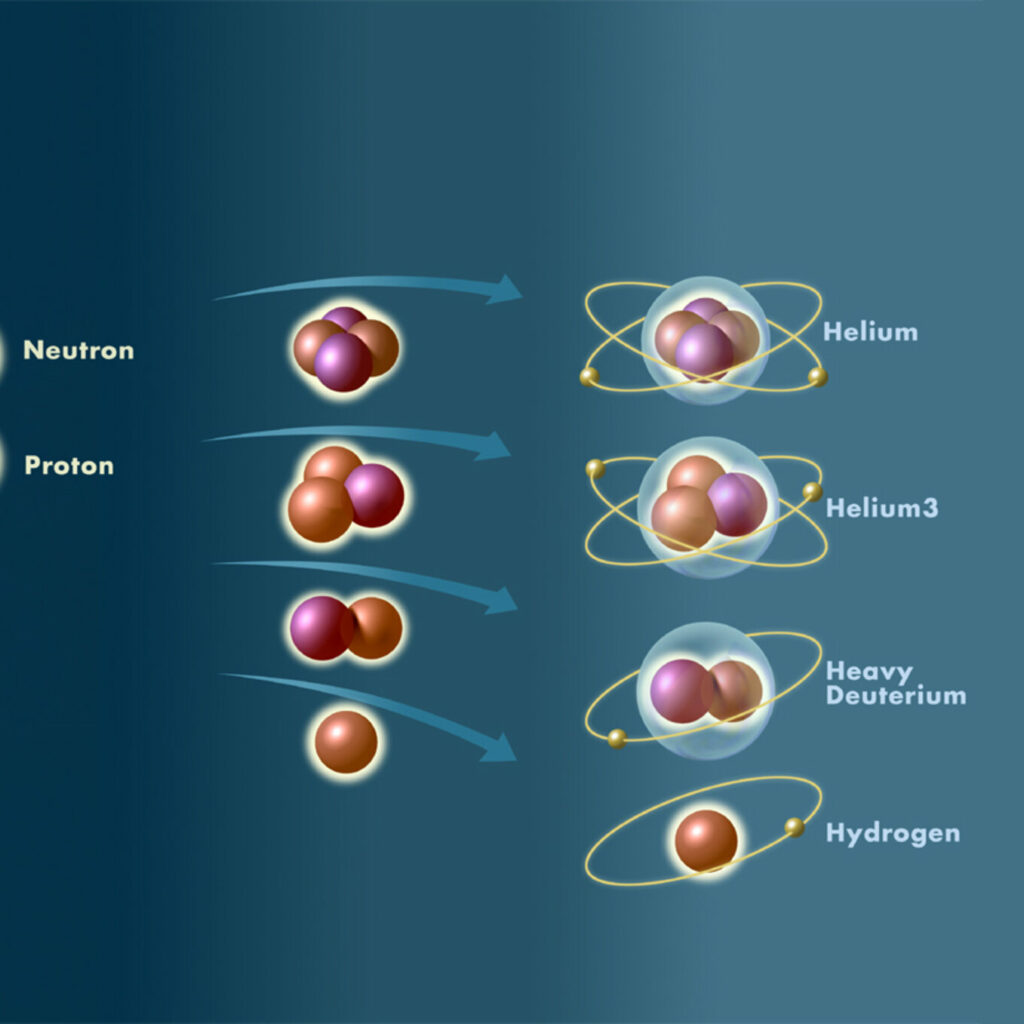
The universe began approximately 13.8 billion years ago with the Big Bang, an event that generated the fundamental constituents of matter such as quarks, electrons, and photons. These particles combined to form the lightest elements, primarily hydrogen and helium. As the universe expanded and cooled, gravity caused these atoms to cluster, much like droplets merging to form a raindrop, setting the stage for further cosmic evolution.
Stellar Nucleosynthesis: The Birthplace of Life’s Elements
Within the cores of stars, nuclear fusion transformed these primordial light elements into heavier atoms essential for life, including carbon, oxygen, and nitrogen. This stellar process, known as nucleosynthesis, acts as a cosmic forge where atoms are transmuted under extreme conditions. When massive stars ended their life cycles in supernova explosions, they dispersed these heavier elements across the cosmos, enriching the interstellar medium with the raw materials necessary for life’s complexity.
Formation of Planetary Systems and the Primordial Soup
Following the dispersal of stellar remnants, galaxies and planetary systems gradually formed. On Earth, around four billion years ago, environmental conditions favored the creation of a “primordial soup”-a rich aqueous mixture containing organic molecules such as amino acids, nucleotides, and simple sugars. These compounds served as the foundational building blocks for life, akin to a chef assembling ingredients to prepare a complex dish.
Emergence of Complexity: From Molecules to Protocells
Life’s origin was not solely dependent on the presence of organic molecules but also required an environment conducive to self-organization and system formation. It is hypothesized that simple organic molecules spontaneously combined into larger, more complex structures through energy-driven interactions, such as those powered by lightning or ultraviolet radiation. This process can be envisioned as a molecular dance, where molecules interact and assemble into increasingly sophisticated arrangements.
Protocells: The Precursors to Living Cells
Protocells represent an essential evolutionary step, characterized by primitive membrane-bound structures formed from lipid bilayers. These simple membranes encapsulated biochemical compounds, creating distinct internal environments separate from the external surroundings. This compartmentalization was a critical innovation, marking a shift from open chemical reactions to controlled, cell-like systems.
The RNA World Hypothesis and Early Genetic Systems
Within protocells, the appearance of self-replicating molecules such as RNA was a pivotal development. RNA molecules not only stored genetic information but also exhibited catalytic functions, enabling them to facilitate biochemical reactions. This dual role supports the RNA world hypothesis, which suggests that early life forms relied primarily on RNA for both heredity and enzymatic activity, laying the groundwork for modern cellular life.
Evolutionary Progression: From Simple Cells to Biodiversity
The proliferation of primitive cells initiated a branching evolutionary process, comparable to the growth of a tree with a common trunk diverging into numerous branches. Through natural selection and adaptation, these early cells evolved diverse forms and functions, eventually leading to multicellular organisms. Genetic mutations and environmental pressures drove this diversification, resulting in the vast array of life observed today.
Scientific Significance and Broader Implications
The journey from atoms to cells exemplifies a remarkable evolutionary narrative that integrates principles from physics, chemistry, and biology. Understanding this progression enhances our comprehension of life’s origins and the complex interplay of natural forces that shape living systems. This knowledge not only illuminates the past but also informs fields such as astrobiology, synthetic biology, and evolutionary science, highlighting the profound interconnectedness of the universe.
Summary
The transformation from simple atomic particles to the first living cells is a monumental evolutionary saga marked by gradual yet extraordinary changes. Beginning with the formation of primordial atoms after the Big Bang, progressing through stellar nucleosynthesis, and culminating in the emergence of self-organizing protocells and RNA-based life, this process underscores the intricate complexity underlying life’s origins. It stands as a testament to the dynamic and wondrous nature of the cosmos, where simplicity evolves into intricate biological systems through the interplay of natural laws and chance.
FAQ
What are the main steps in the transition from atoms to cells?
The main steps include cosmic origins of atoms, stellar nucleosynthesis, formation of the primordial soup, emergence of protocells, and the development of RNA-based systems.
What is the RNA world hypothesis?
The RNA world hypothesis suggests that early life forms relied primarily on RNA for heredity and enzymatic activity, serving as the foundation for modern cellular life.

Leave a Reply