What is the difference between atoms and qubits?

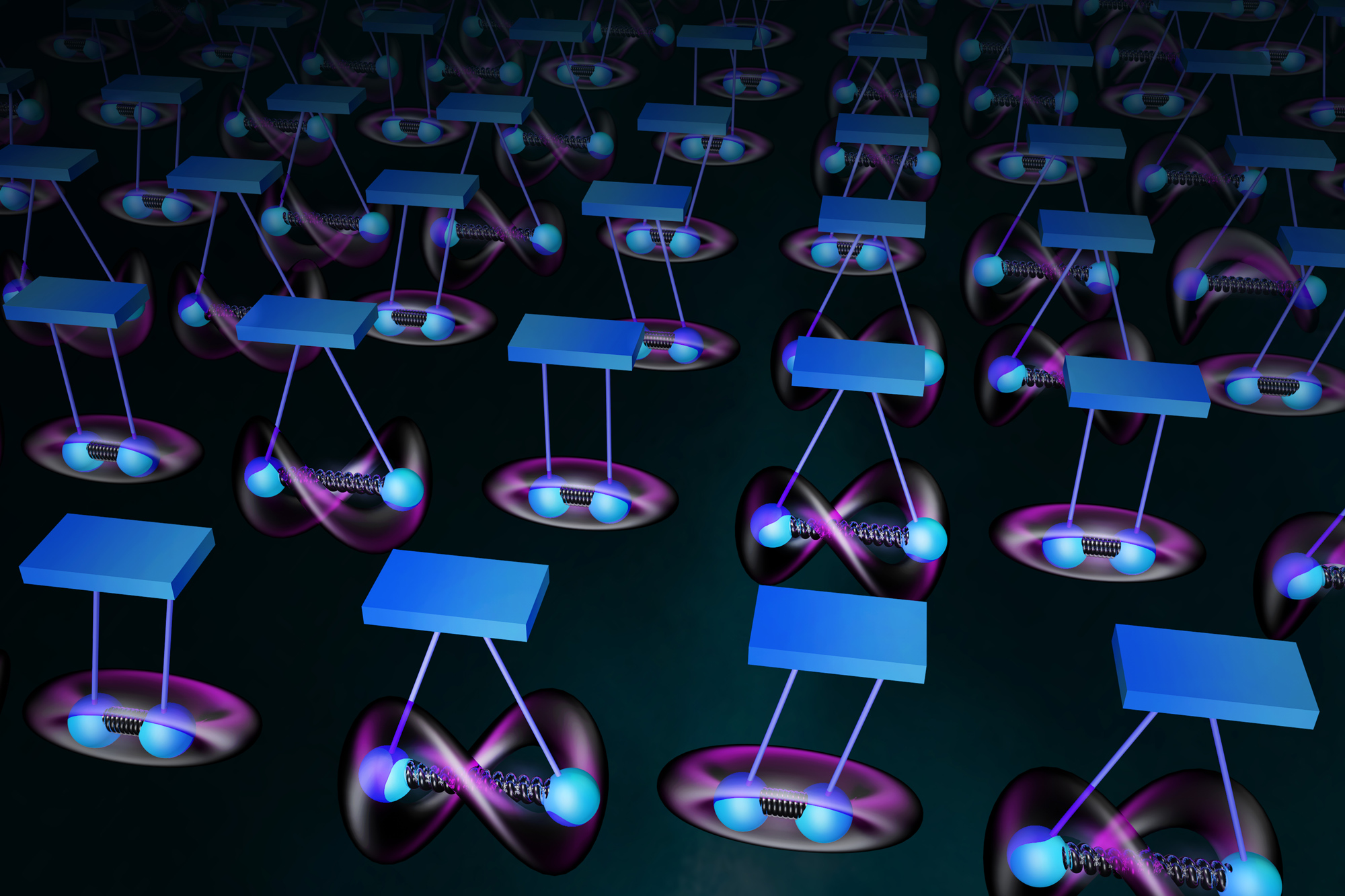
Understanding the distinction between atoms and qubits is pivotal for comprehending the realms of quantum mechanics and quantum computing. While atoms signify the foundational building blocks of matter, qubits represent a novel approach to computing based upon quantum principles. This article will elucidate the differences across various dimensions, including definitions, properties, applications, and the implications […]

Read More →

How do atoms bond to become chemically stable?

The universe, in its splendiferous vastness, is akin to an intricate tapestry woven from the threads of atoms. These elementary constituents of matter engage in a delicate dance, their movements choreographed by the laws of chemistry and physics. The quest for chemical stability drives atoms to seek companionship through bonds, forging connections that underlie the […]

Read More →

How did consciousness come from atoms?

Consciousness remains one of the most perplexing phenomena in the realm of science, particularly in the disciplines of physics and cognitive science. The transition from mere atoms—considered the fundamental building blocks of matter—to the complex conceived understanding within the realm of consciousness raises profound inquiries. How did consciousness arise from non-conscious entities? This inquiry has […]

Read More →

Why do atoms never stop moving? – The Science Space?

Atoms, the fundamental building blocks of matter, exhibit perpetual motion, a phenomenon that has intrigued physicists and chemists alike. This intrinsic movement can be attributed to several scientific principles, primarily governed by the laws of thermodynamics, quantum mechanics, and molecular dynamics. Understanding why atoms never stop moving requires a deep dive into these domains of […]

Read More →

How do atoms attract through chemical bonds?

In the grand tapestry of the cosmos, the narrative of atomic interactions underlies the very fabric of matter. Atoms, the fundamental units of chemical elements, exist not merely as isolated entities but engage in an exquisite dance of attraction facilitated by chemical bonds. This intricate interplay raises an intriguing question: How do atoms, comprised of […]

Read More →

How do atoms combine and turn into living cells?

The intricate tapestry of life begins at the microscopic level, where atoms—the fundamental building blocks of matter—engage in a symphony of interactions, ultimately giving rise to living cells. Understanding how these atoms unite to form the complex structures that characterize biological systems invites not only a comprehension of chemistry but also a reflection on the […]

Read More →

Do Shadows Have Atoms? A Dark Thought in Bright Science

Shadows, those ephemeral silhouettes that dance upon surfaces, have intrigued humanity since time immemorial. They serve as contrast against the brilliance of light, embodying the absence of luminosity rather than a physical presence. However, a tantalizing question arises: do shadows possess atoms? To unravel this inquiry, we must traverse the realms of physics, philosophy, and […]

Read More →

Why do atoms undergo chemical bonding?

Atoms, as the fundamental building blocks of matter, possess an innate propensity to engage in chemical bonding. This interaction arises from the interplay of forces that dictate stability and continuity in the material universe. To grasp why atoms undergo chemical bonding, one must delve into the intricacies of atomic structure, energy considerations, and the resulting […]

Read More →

What’s the best books to understand the science of atoms?

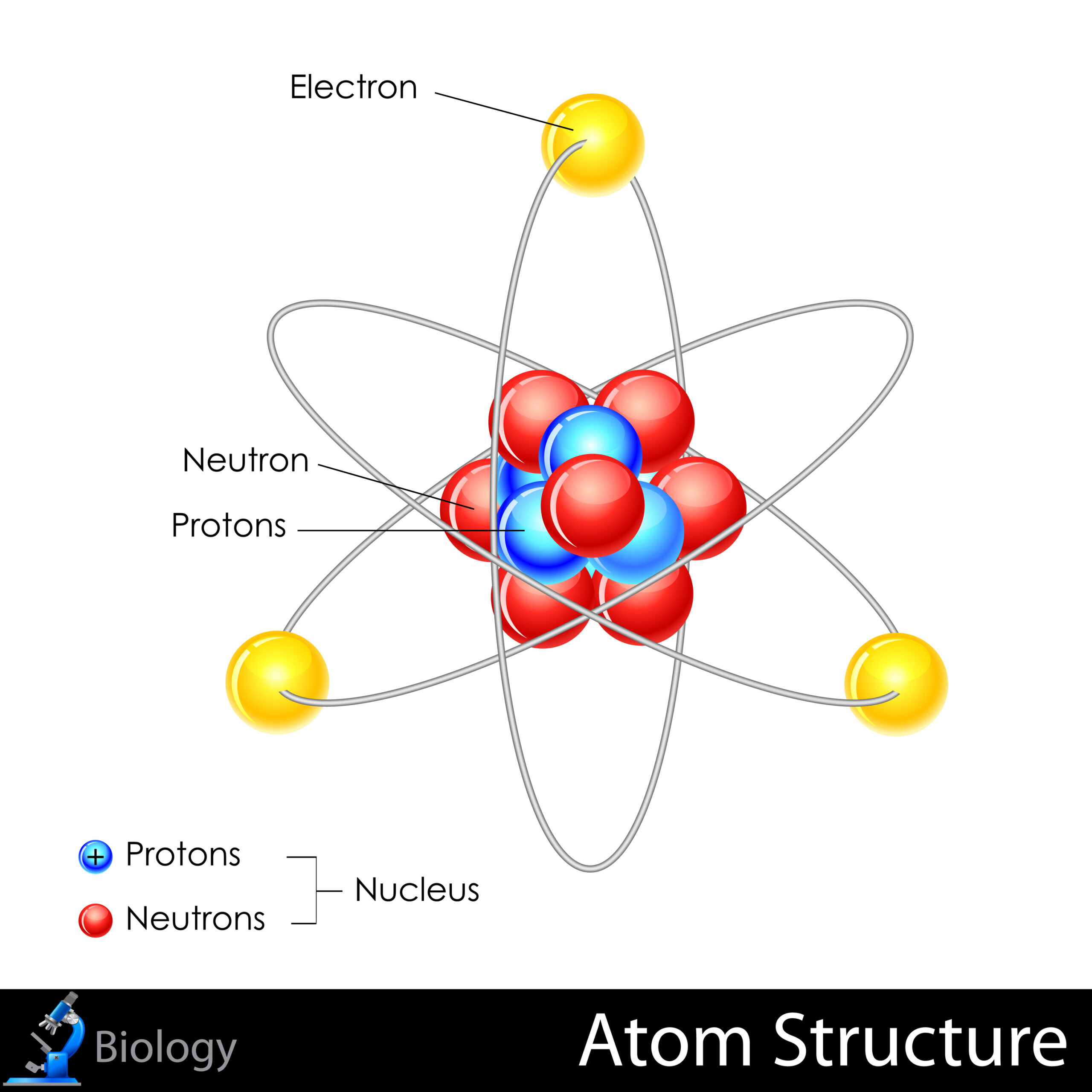
Understanding the science of atoms is paramount for anyone seeking to grasp the fundamental nature of matter. Atoms not only serve as the building blocks of everything we perceive but also encapsulate profound philosophical and scientific principles that have intrigued humanity for centuries. Here, we explore the best books available that meticulously elucidate the intricate […]

Read More →