
Short Answer
Definition and Overview of Radiology and Nuclear Medicine
Radiology and nuclear medicine are two pivotal medical specialties that play crucial roles in diagnosing and treating various health conditions. While both fields utilize imaging technologies to examine the human body, they differ significantly in their approaches, techniques, and clinical applications. Understanding these distinctions is essential for medical professionals deciding which path aligns best with their interests and career goals.
- Radiology:
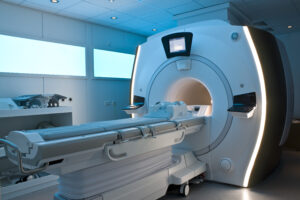
A medical discipline focused on using diverse imaging technologies such as X-rays, computed tomography (CT), and magnetic resonance imaging (MRI) to visualize anatomical structures and detect abnormalities. - Nuclear Medicine:
A specialty that employs radioactive substances (radiopharmaceuticals) to assess physiological and biochemical functions within the body, providing insights into metabolic and molecular processes.
Fundamental Principles of Radiology
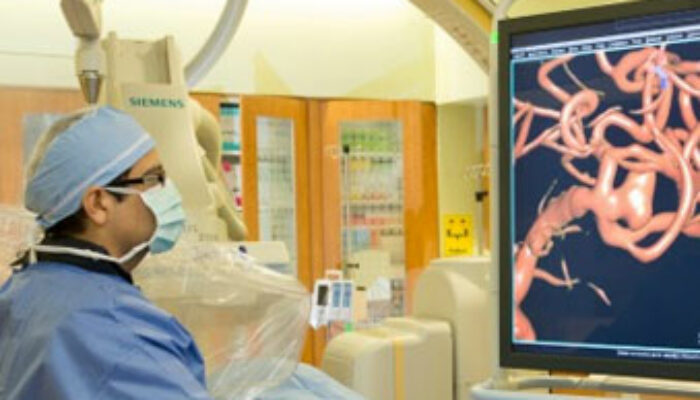
Radiology serves as a window into the body’s internal architecture, utilizing non-invasive imaging modalities to capture detailed pictures of bones, organs, and tissues. Radiologists interpret these images to identify diseases, injuries, and other pathological conditions. The specialty encompasses both diagnostic imaging and interventional procedures, where imaging guides minimally invasive treatments.
- Imaging Techniques:
Includes X-rays, CT scans, MRI, and ultrasound, each offering unique advantages in visualizing different tissues and conditions. - Clinical Applications:
Radiologists diagnose fractures, tumors, vascular disorders, and internal bleeding, collaborating closely with other medical specialists to inform patient care.
Core Concepts in Nuclear Medicine
Nuclear medicine distinguishes itself by focusing on the functional and molecular aspects of health and disease. By administering radiopharmaceuticals that emit gamma rays or positrons, nuclear medicine specialists can observe dynamic biological processes in real time. This functional imaging complements anatomical studies by revealing how organs and tissues operate at a cellular level.
- Key Modalities:
Positron emission tomography (PET) and single-photon emission computed tomography (SPECT) are primary techniques used to visualize metabolic activity, blood flow, and receptor function. - Diagnostic and Therapeutic Roles:
Beyond imaging, nuclear medicine also involves targeted therapies, particularly in oncology and cardiology, where radiopharmaceuticals can treat specific diseases.
Educational Pathways and Training
The routes to becoming a radiologist or nuclear medicine physician reflect the unique demands of each specialty. Radiology training typically involves a comprehensive residency program emphasizing a broad spectrum of imaging modalities and clinical applications. In contrast, nuclear medicine requires specialized fellowship training that delves into radiopharmacology, radiobiology, and molecular imaging techniques.
- Radiology Training:
Usually a four-year residency following medical school, covering diagnostic imaging, interventional radiology, and subspecialties such as pediatric or breast imaging. - Nuclear Medicine Training:
Often pursued as a fellowship after residency, focusing on the use of radioactive tracers, understanding biochemical pathways, and mastering functional imaging technologies.
Work Environment and Lifestyle Differences
While both careers offer rewarding opportunities, the daily routines and work settings can vary considerably. Radiologists often operate in high-pressure environments, interpreting large volumes of images and participating in multidisciplinary teams, especially in hospital or emergency contexts. Nuclear medicine specialists may experience a more predictable schedule, frequently working in outpatient clinics or research facilities, though urgent cases can arise.
- Radiology:
Fast-paced, image-intensive, with frequent collaboration across medical departments and potential for on-call duties. - Nuclear Medicine:
Structured workflow centered on patient preparation, radiopharmaceutical administration, and imaging, with a balance between clinical and research activities.
Professional Satisfaction and Intellectual Appeal
Choosing between radiology and nuclear medicine often hinges on personal interests and the type of intellectual engagement desired. Radiology attracts those passionate about technological innovation and diagnostic challenges, offering continuous advancements in imaging tools and techniques. Nuclear medicine appeals to individuals fascinated by the intersection of chemistry, biology, and medicine, providing opportunities to influence patient outcomes through molecular-level interventions.
- Radiology:
Emphasizes cutting-edge imaging technology, diagnostic problem-solving, and potential involvement in research and development. - Nuclear Medicine:
Focuses on molecular diagnostics, targeted therapies, and the biochemical mechanisms underlying disease processes.
Significance in Modern Healthcare
Both radiology and nuclear medicine are indispensable in contemporary medicine, enhancing diagnostic accuracy and enabling personalized treatment strategies. Their complementary roles improve patient outcomes by combining anatomical visualization with functional insights, thereby advancing medical knowledge and clinical practice.
Common Misunderstandings About Radiology and Nuclear Medicine
- Misconception: Radiology and nuclear medicine are interchangeable.
Correction: Although related, radiology primarily focuses on anatomical imaging, whereas nuclear medicine emphasizes functional and molecular imaging. - Misconception: Nuclear medicine only involves diagnostic imaging.
Correction: Nuclear medicine also includes therapeutic applications using radiopharmaceuticals to treat diseases.
Conclusion: Making an Informed Career Choice
Deciding between radiology and nuclear medicine requires careful consideration of one’s interests, skills, and professional aspirations. Radiology offers a broad, technology-driven approach to anatomical diagnosis and intervention, while nuclear medicine provides a specialized focus on molecular imaging and targeted therapy. Both fields share the ultimate goal of enhancing patient care and advancing medical science, making either choice a valuable contribution to healthcare.
FAQ
What is radiology?
Radiology is a medical specialty that uses imaging techniques such as X-rays, MRI, and CT scans to diagnose and treat diseases.
What is nuclear medicine?
Nuclear medicine involves the use of radioactive substances for diagnosis and therapy, providing functional information about organs and tissues.
Which specialty is better for molecular diagnostics?
Nuclear medicine is better suited for molecular diagnostics due to its focus on biochemical and physiological processes.
Are there interventional procedures in both fields?
Interventional procedures are common in radiology, whereas nuclear medicine primarily focuses on diagnostic and therapeutic radiopharmaceutical applications.



Leave a Reply