Why are there 12 fundamental particles?

Definition of Fundamental Particles Fundamental particles are the most basic constituents of matter, indivisible by current scientific understanding. In particle physics, these particles form the foundation of all physical substances and interactions in the universe. The Standard Model, the prevailing theoretical framework, identifies twelve such elementary particles known as fermions, which are essential building blocks […]

Read More →

Carbon-Doped Magnetic Semiconductors Make Their Debut

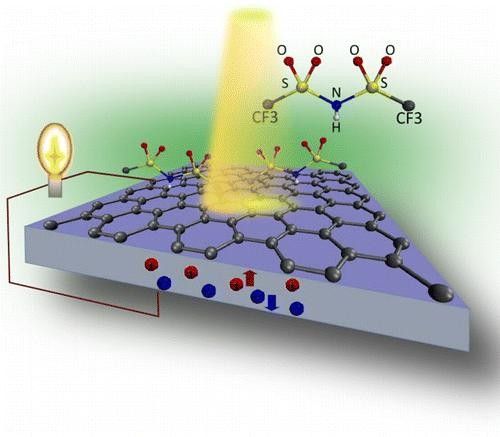
Definition of Carbon-Doped Magnetic Semiconductors Carbon-doped magnetic semiconductors represent a novel class of materials where carbon atoms are intentionally introduced into semiconductor lattices to induce magnetic properties. This innovative fusion combines the electrical characteristics of semiconductors with magnetism, creating materials that exhibit tunable magnetic behavior alongside their inherent conductivity. Such materials are gaining prominence due […]

Read More →

How to learn the basics about quantum computers?

Definition of Quantum Computing Quantum computing represents a groundbreaking computational approach that leverages the unique principles of quantum mechanics to process information. Unlike classical computing, which relies on bits as the smallest unit of data, quantum computing utilizes quantum bits or qubits, enabling new possibilities in processing power and problem-solving capabilities. This emerging technology promises […]

Read More →

How does sharpness work at an atomic level?

Understanding Sharpness: A Comprehensive Overview Sharpness is a concept commonly associated with objects like knives or high-resolution photographs, where precision and clarity are paramount. However, sharpness transcends these familiar examples and extends into the microscopic domain, particularly at the atomic scale. This article delves into the nature of sharpness from an atomic perspective, exploring how […]

Read More →

What stops atoms from touching?

Definition of Atomic Interaction Atomic interaction refers to the complex set of forces and principles that govern how atoms behave when they come close to one another. Despite their minuscule size, atoms do not simply merge into one continuous mass. Instead, their interactions are dictated by a combination of quantum mechanics, electromagnetic forces, and fundamental […]

Read More →

Why Quantum Algorithms Are So Powerful (and Weird)

Definition of Quantum Algorithms Quantum algorithms are computational procedures that harness the unique properties of quantum mechanics to perform tasks that are often infeasible for classical algorithms. By exploiting phenomena such as superposition and entanglement, these algorithms enable new methods of processing information, offering significant advantages in speed and efficiency for certain complex problems. Fundamental […]

Read More →

How to do research independently and publish it on my own?

Definition of Independent Research and Publication Independent research refers to the process by which individuals, often scholars or enthusiasts, undertake original investigations without direct supervision, aiming to generate new knowledge or insights. Publication is the subsequent step where these findings are formally shared with the academic community or the public through various platforms. Together, these […]

Read More →

Can measurement be accurate but not precise?

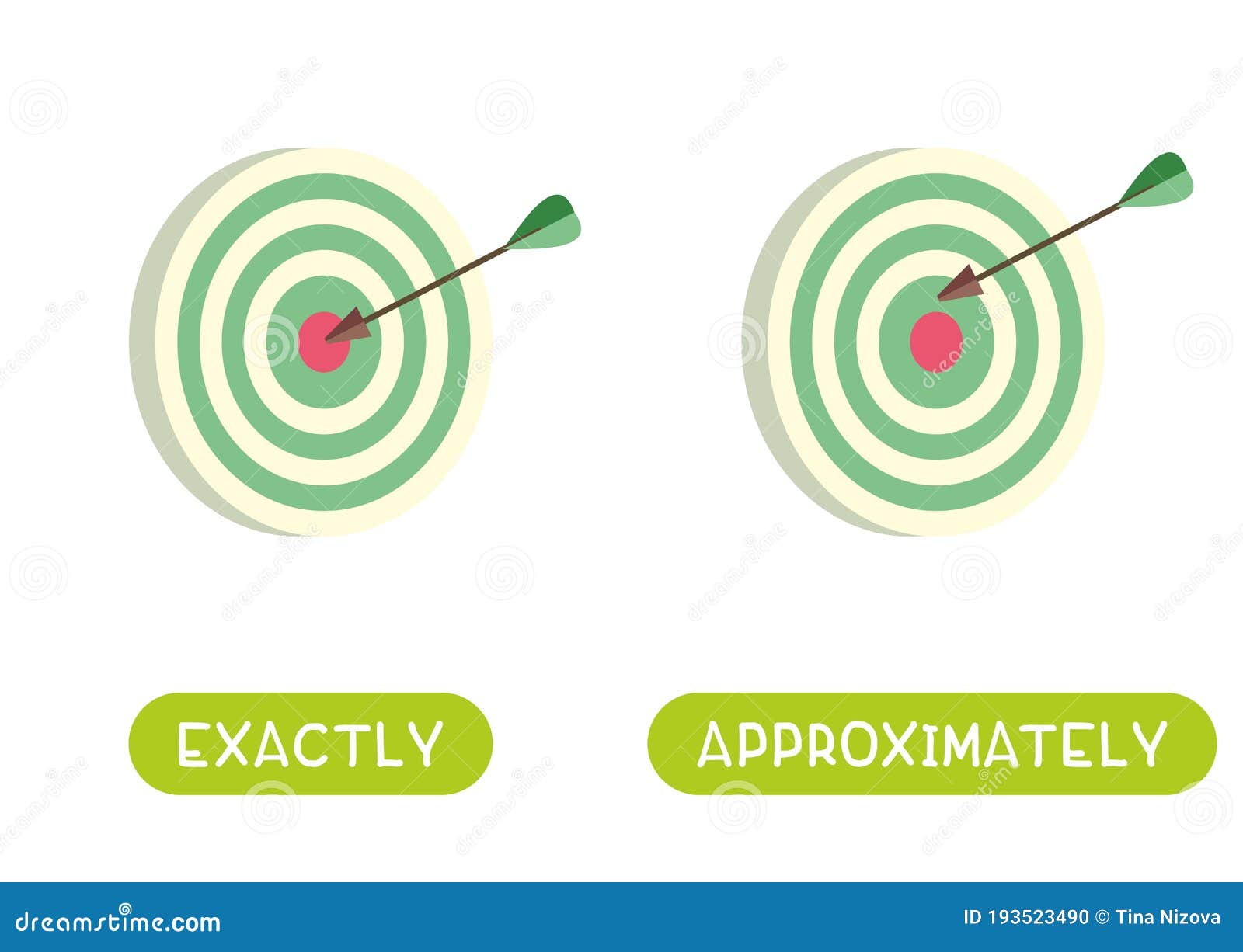
Definition of Accuracy and Precision In scientific measurement and data analysis, the terms accuracy and precision are fundamental yet often misunderstood. Accuracy describes how close a measured value is to the true or accepted reference value. In contrast, precision refers to the consistency or repeatability of measurements, regardless of their closeness to the true value. […]

Read More →

Financial Weaponry: When Economics Becomes Physics

Definition of Financial Weaponry Financial weaponry refers to the strategic use of economic tools and resources that can influence markets and economies with significant impact, either beneficial or harmful. This concept draws a parallel to physical weaponry, emphasizing precision, power, and the potential for both constructive and destructive outcomes within financial systems. Strategic Resource Deployment: […]

Read More →