

Short Answer
Definition of Laser Communication
Laser communication, also known as free-space optical communication, is an advanced method of transmitting data through the atmosphere using highly concentrated beams of light. This technology leverages the properties of laser light to send information over distances without the need for physical cables, offering a promising alternative to traditional radio frequency communication systems. It is increasingly considered for both terrestrial and space-based communication networks due to its unique capabilities.
Key Advantages of Laser Communication
Exceptional Bandwidth Capacity
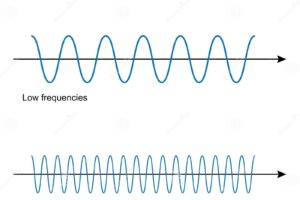
One of the standout features of laser communication is its ability to support extremely high data transfer rates. The frequency spectrum of light waves is vastly broader than that of radio waves, enabling the simultaneous transmission of large volumes of data. This makes laser communication ideal for bandwidth-intensive applications such as high-definition video streaming, large-scale data exchanges, and other demanding internet services.
Superior Security Features
Laser communication offers enhanced security compared to conventional wireless methods. The tightly focused nature of laser beams makes interception by unauthorized parties significantly more difficult. Additionally, the directional transmission reduces the risk of eavesdropping, which is particularly valuable for sensitive communications in government, military, and corporate environments.
Resistance to Electromagnetic Interference
Operating outside the radio frequency spectrum, laser communication systems are inherently immune to electromagnetic interference (EMI). This characteristic ensures clearer signal transmission and lowers the probability of errors, especially in environments saturated with electromagnetic noise such as urban centers and industrial areas.
Reduced Latency in Data Transmission
The direct line-of-sight communication enabled by laser systems results in minimal transmission delays. Unlike radio signals that may be delayed by atmospheric conditions or signal reflections, laser communication facilitates near-instantaneous data exchange. This low latency is crucial for applications requiring real-time responsiveness, including autonomous vehicle control and remote medical procedures.
Energy Efficiency and Environmental Benefits
Laser communication is recognized for its lower energy consumption relative to radio frequency systems, particularly over long distances. This efficiency contributes to reduced carbon emissions, aligning with global sustainability goals. When combined with optical fiber technologies, laser communication further enhances energy savings and environmental friendliness.
Challenges and Limitations of Laser Communication
Vulnerability to Weather Conditions
A significant drawback of laser communication is its sensitivity to atmospheric weather phenomena. Rain, fog, snow, and dust particles can scatter or absorb laser beams, leading to signal degradation or loss. To maintain reliable communication, additional infrastructure or adaptive technologies are often required to counteract these environmental effects.
Requirement for Unobstructed Line of Sight
Laser communication depends on a clear, unobstructed path between the transmitter and receiver. While this ensures focused and efficient data transfer, it also limits deployment in areas with physical obstructions such as buildings, trees, or terrain variations. Precise alignment is necessary, complicating use in dynamic or cluttered environments.
Range Constraints
The effective distance over which laser communication can operate is generally shorter compared to radio frequency systems. Atmospheric scattering and absorption reduce signal strength over long distances, necessitating the use of relay stations or repeaters to extend coverage. This increases the complexity and cost of network deployment.
High Initial Investment
Establishing laser communication infrastructure involves substantial upfront costs. Expenses include purchasing advanced laser equipment, installation, and potential modifications to the physical environment to ensure line-of-sight connectivity. These financial barriers may limit adoption, especially among smaller organizations or in developing regions.
Need for Specialized Technical Skills
Operating and maintaining laser communication systems requires specialized expertise. Tasks such as precise alignment, atmospheric interference management, and troubleshooting demand trained professionals. The limited availability of such skilled personnel can hinder the scalability and operational efficiency of laser communication networks.
How Laser Communication Functions
Laser communication transmits data by modulating light beams generated by lasers, which are then directed through free space to a receiver equipped with photodetectors. The system relies on maintaining a stable, line-of-sight path to ensure the integrity of the transmitted signal. Data is encoded onto the light wave through various modulation techniques, allowing for high-speed and high-capacity communication.
Mathematical and Technical Principles
The performance of laser communication can be described by the Friis transmission equation adapted for optical frequencies:
Pr = Pt × (Ar / (4πd²)) × T
- Pr: Received power
- Pt: Transmitted power
- Ar: Effective area of the receiver aperture
- d: Distance between transmitter and receiver
- T: Transmission factor accounting for atmospheric losses
This formula highlights how received signal strength diminishes with the square of the distance and is affected by atmospheric conditions, emphasizing the importance of clear line-of-sight and weather considerations.
Practical Applications of Laser Communication
Laser communication is increasingly utilized in various fields:
- Space Communications:
Used for high-speed data links between satellites and ground stations, enabling faster and more secure space data transmission. - Urban Networks:
Employed to connect buildings in dense city environments where laying fiber optic cables is impractical. - Military and Government:
Provides secure communication channels resistant to interception and jamming. - Autonomous Systems:
Facilitates real-time data exchange for drones, autonomous vehicles, and remote robotic operations.
Common Misunderstandings About Laser Communication
- Misconception: Laser communication can function effectively in all weather conditions.
Correction: Weather phenomena such as fog and rain can severely disrupt laser signals, requiring mitigation strategies. - Misconception: Laser communication eliminates the need for any infrastructure.
Correction: Despite being wireless, it often requires relay stations and precise alignment equipment, adding to infrastructure demands. - Misconception: Laser communication is always cheaper than radio frequency systems.
Correction: Initial setup costs are typically higher due to specialized equipment and installation requirements.
Significance of Laser Communication
Laser communication represents a transformative advancement in data transmission technology, offering unparalleled bandwidth, security, and resistance to interference. Its potential to support the growing demand for high-speed, secure communication makes it vital for future telecommunications infrastructure, space exploration, and critical applications requiring low latency. Understanding both its strengths and limitations is essential for effectively integrating this technology into global communication networks and harnessing its full potential.
FAQ
What is laser communication?
Laser communication uses concentrated light beams to transmit data, offering benefits like high bandwidth and security.
What are the main advantages of laser communication?
Key advantages include exceptional bandwidth capacity, superior security features, and resistance to electromagnetic interference.
What are the limitations of laser communication?
Limitations include sensitivity to weather conditions, the need for unobstructed line of sight, and high initial setup costs.





Leave a Reply