Is Dark Energy Made of Particles—or Something Stranger?

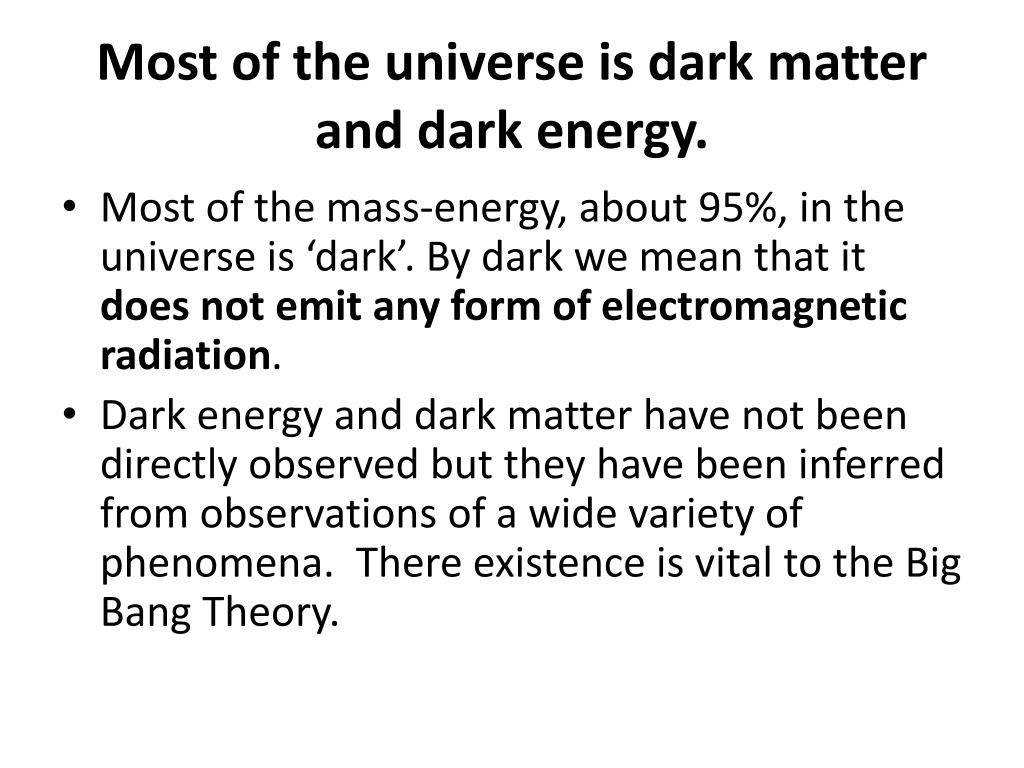
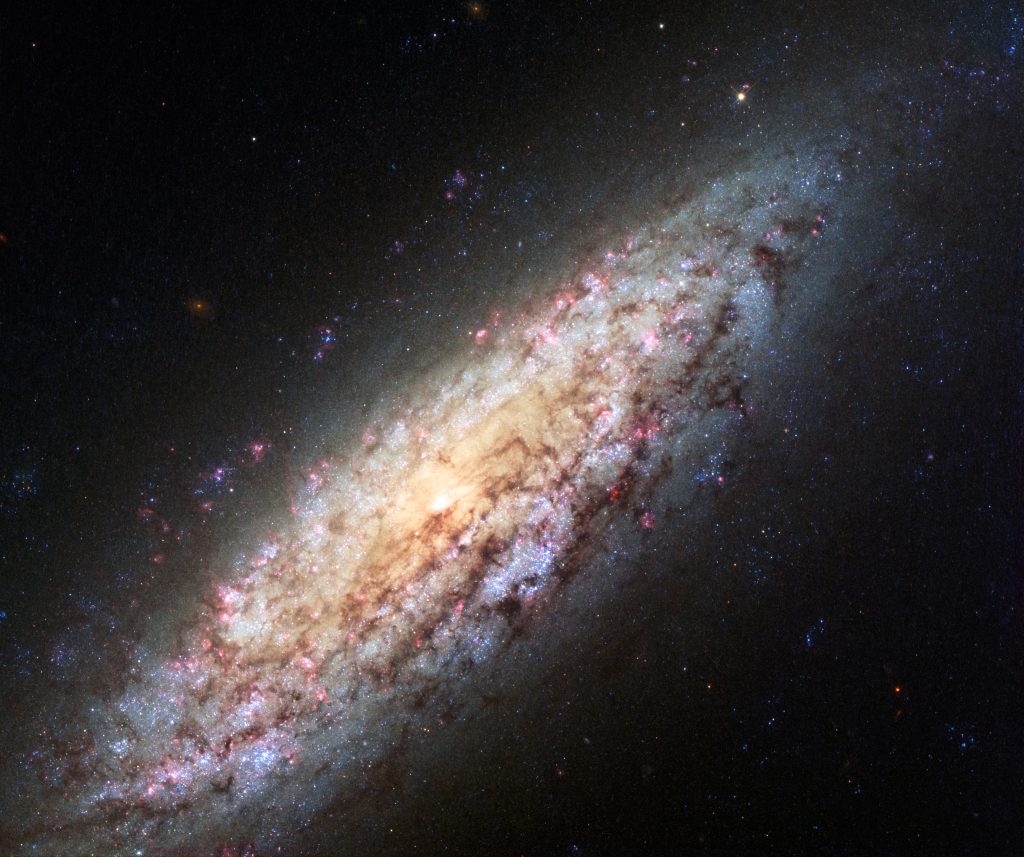
Understanding Dark Energy Dark energy is a mysterious force believed to be responsible for the accelerated expansion of the universe. Despite its dominant presence-making up approximately 68% of the total energy density of the cosmos-dark energy remains elusive and undetectable through direct means. Its enigmatic nature challenges scientists to explore its origins, characteristics, and implications […]
Read More →

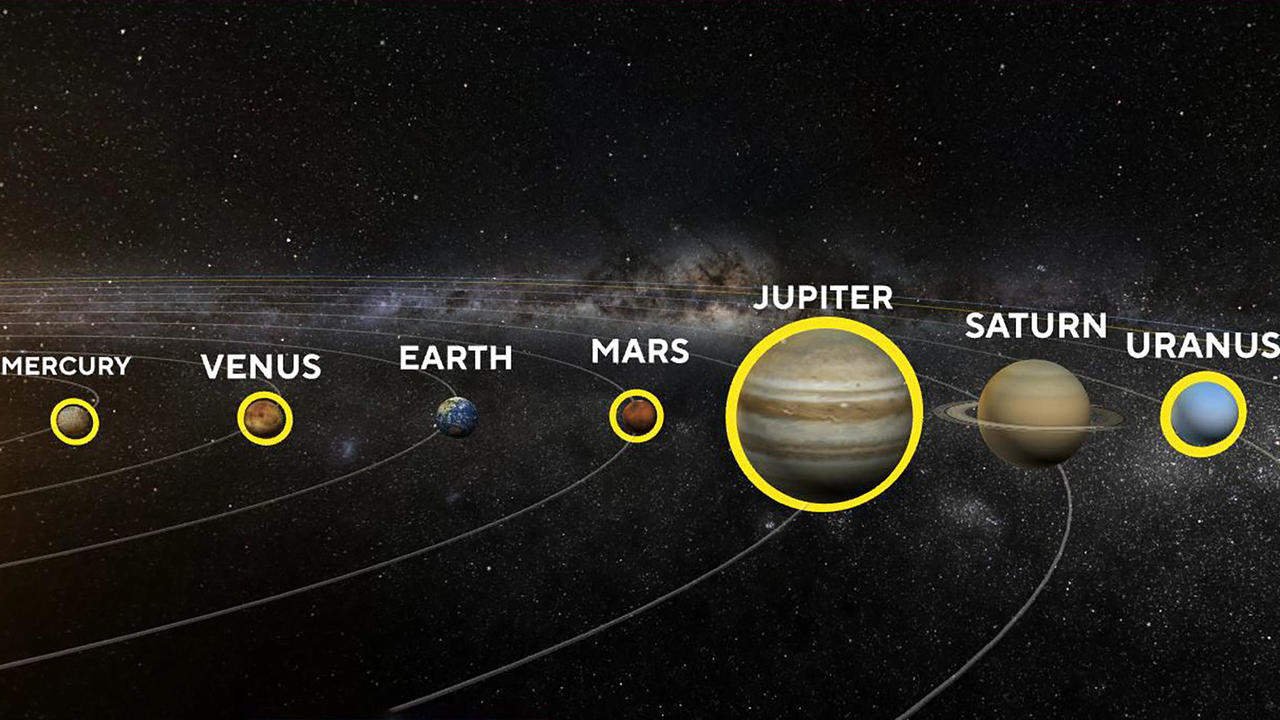
Jupiter vs Venus: Which Has Stronger Gravity?

Definition of Planetary Gravity Planetary gravity refers to the force exerted by a planet due to its mass, attracting objects toward its center. This gravitational pull influences everything from the planet’s atmosphere and surface conditions to the orbits of moons and spacecraft trajectories. The strength of gravity on a planet depends primarily on its mass […]

Read More →

How Galaxy Rotation Proves Dark Matter Exists

Understanding Galactic Rotation Curves Galactic rotation curves are essential tools used by astronomers to analyze how mass is distributed within galaxies. These curves graph the orbital velocity of stars and interstellar gas relative to their distance from the galaxy’s center. Classical physics, based on Newtonian gravity and the visible matter observed, predicts that rotational speeds […]

Read More →

Why Astrophysics Feels So Hard (And How to Fix It)

Definition of Astrophysics Astrophysics is the branch of science dedicated to understanding the physical properties and underlying principles of the universe beyond Earth’s atmosphere. It explores celestial phenomena, cosmic structures, and the fundamental forces shaping the cosmos, combining observational data with theoretical models to explain how the universe operates on both grand and minute scales. […]

Read More →

Are They Falsifiable—or Forever Unprovable?

Understanding Falsifiability Falsifiability is a foundational concept in the philosophy of science, serving as a critical criterion for distinguishing scientific theories from non-scientific ones. It requires that any hypothesis or theory must be structured in a way that allows it to be potentially disproven through empirical evidence. This principle ensures that scientific claims remain testable […]

Read More →

How Much Did the James Webb Space Telescope Cost? Full Breakdown

Overview of the James Webb Space Telescope The James Webb Space Telescope (JWST) represents a pinnacle of scientific achievement and technological advancement. Designed to explore the universe in unprecedented detail, this telescope embodies decades of innovation and international cooperation. Beyond its scientific prowess, the JWST’s financial framework reveals the immense resources and effort required to […]

Read More →

How Vera C. Rubin Observatory Will Map the Invisible Universe

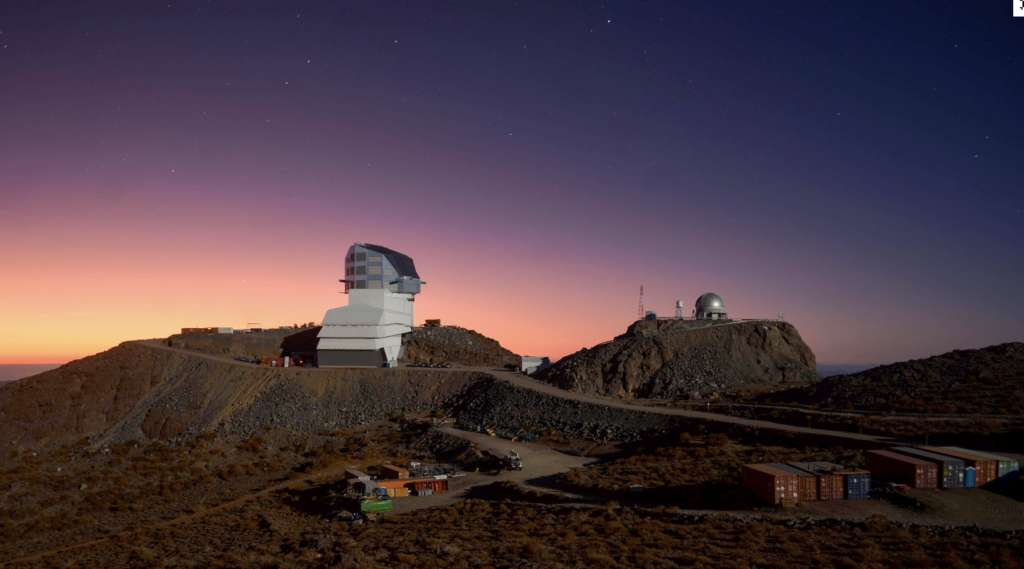
Definition The Vera C. Rubin Observatory is a groundbreaking astronomical facility designed to explore the universe beyond what is visible to the naked eye. It aims to capture dynamic cosmic phenomena and map the elusive components of the cosmos, such as dark matter and dark energy, through continuous, high-resolution sky surveys. Purpose: To observe transient […]

Read More →