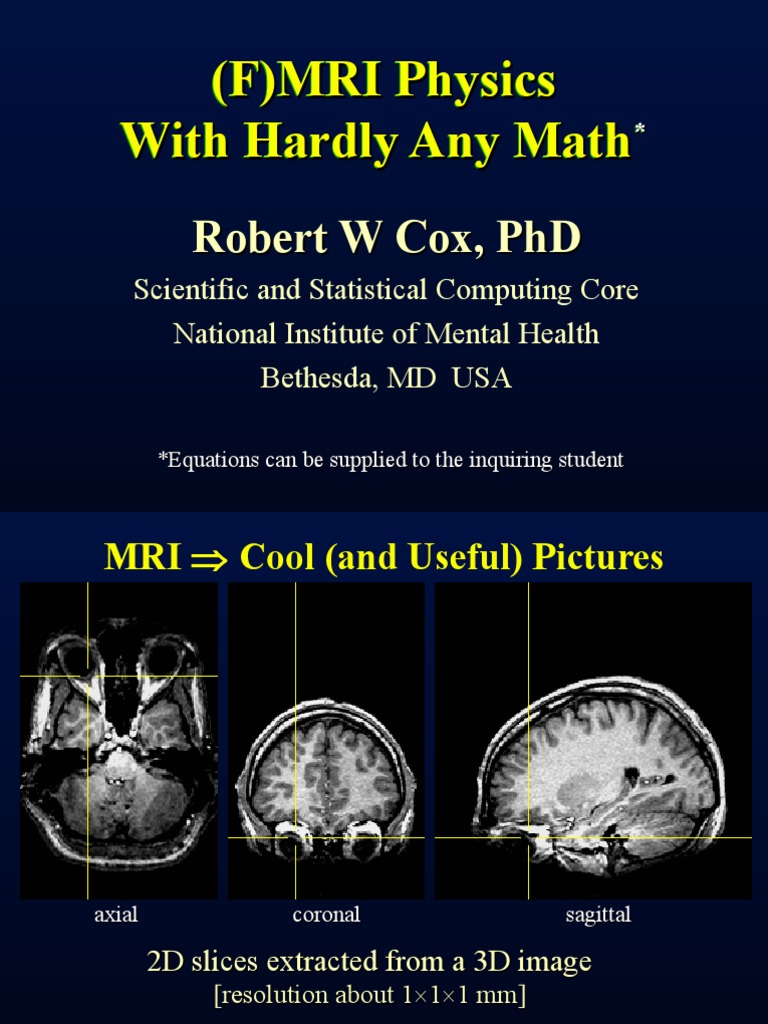
Is Physics Involved in Medicine? Only in Every MRI CT and Radiation Beam

Definition Physics in medicine refers to the application of physical principles and technologies to diagnose, monitor, and treat medical conditions. It encompasses the use of radiation, magnetic fields, and other physical phenomena to non-invasively visualize internal body structures and deliver targeted therapies. This interdisciplinary field underpins many modern medical imaging techniques and therapeutic interventions, ensuring […]


Read More →

How much does a mathematician make?

Definition of a Mathematician’s Salary The salary of a mathematician encompasses the financial compensation received by professionals engaged in mathematical research, education, and applied fields. This remuneration reflects a combination of factors including educational background, area of expertise, employment sector, and geographic location. Understanding these elements provides insight into the diverse earning potential within the […]

Read More →

What does it take to become a condensed matter physicist?

Understanding Condensed Matter Physics Condensed matter physics is a branch of physics focused on investigating the physical properties of matter in its solid and liquid states. This field explores both macroscopic and microscopic characteristics, delving into phenomena such as superconductivity, magnetism, and phase transitions. It seeks to unravel the fundamental behaviors of materials by combining […]

Read More →

What are the seminar topics for instrumentation engineering?

Definition of Instrumentation Engineering Instrumentation engineering is a vital branch of engineering focused on the design, development, and implementation of devices that measure and control physical parameters such as temperature, pressure, flow, and level. This discipline plays a crucial role in various industries by enabling precise monitoring and automation of processes through sophisticated instruments and […]

Read More →

What are some of the best energy sources that don’t pollute?

Definition of Clean Energy Sources Clean energy sources refer to methods of generating power that produce little to no pollution or greenhouse gas emissions, thereby minimizing environmental harm. These energy forms harness natural processes and renewable resources to provide sustainable alternatives to fossil fuels, aiming to balance human energy needs with ecological preservation. Renewable: Derived […]

Read More →

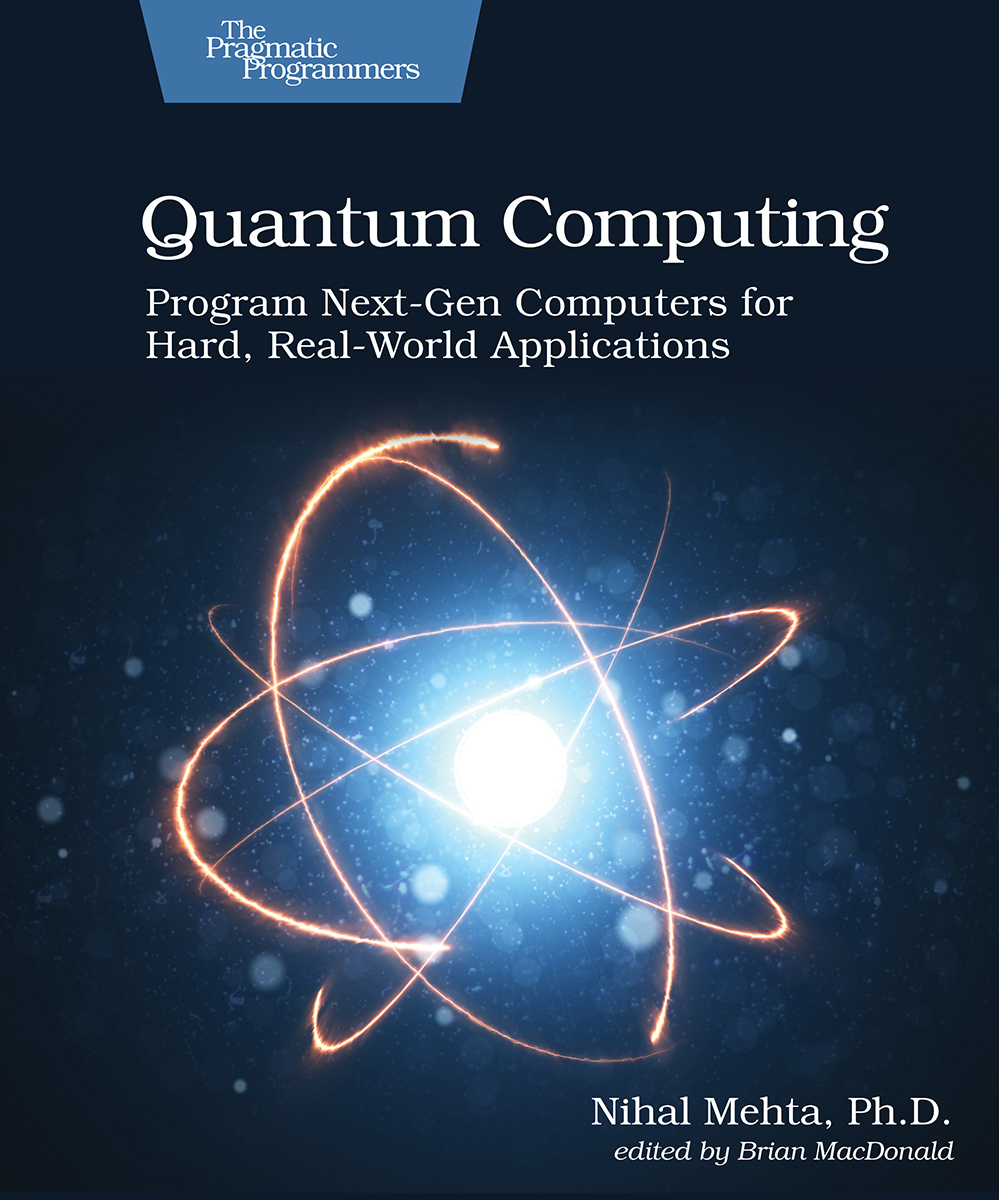
How does quantum computing differ from simple computing?

Understanding Quantum Computing Quantum computing represents a revolutionary shift in the way we process information, diverging fundamentally from the classical computing models that have dominated technology for decades. Rather than simply enhancing existing methods, quantum computing redefines the core principles of computation by leveraging the unique phenomena of quantum mechanics. This article explores the key […]

Read More →

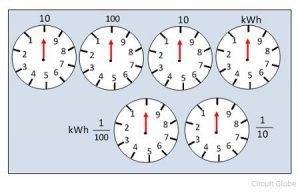
Which meter is integrating a type of instrument?

Definition of Integrating Meters Integrating meters are specialized measurement devices designed to accumulate and display the total amount of a particular variable over a set period. Unlike conventional meters that provide instantaneous readings, these instruments aggregate data continuously, offering a comprehensive overview of the measured quantity. This capability makes them indispensable in fields such as […]

Read More →

How does error correction work?

Definition of Error Correction Error correction encompasses the techniques and processes used to identify and amend errors that occur during the transmission, storage, or processing of data. These errors can arise from various sources such as noise in communication channels, interference in storage devices, or software malfunctions. The primary goal of error correction is not […]

Read More →

Caesium Joins the Cold Club: BEC Gets a Heavyweight Member

Understanding Bose-Einstein Condensates Bose-Einstein Condensates (BECs) represent a unique state of matter that arises when bosonic particles are cooled to temperatures near absolute zero. At these ultracold conditions, a large number of particles occupy the same quantum state, resulting in a macroscopic quantum phenomenon. This state challenges classical physics by exhibiting collective behaviors that are […]

Read More →

Quantum Computing in Real Life: 5 Mind-Blowing Examples

Definition of Quantum Computing Quantum computing represents a groundbreaking advancement in technology, merging principles of quantum mechanics with computer science to revolutionize how computations are performed. Unlike classical computers that use bits as the smallest unit of data, quantum computers utilize quantum bits, or qubits, which can exist simultaneously in multiple states due to quantum […]

Read More →