
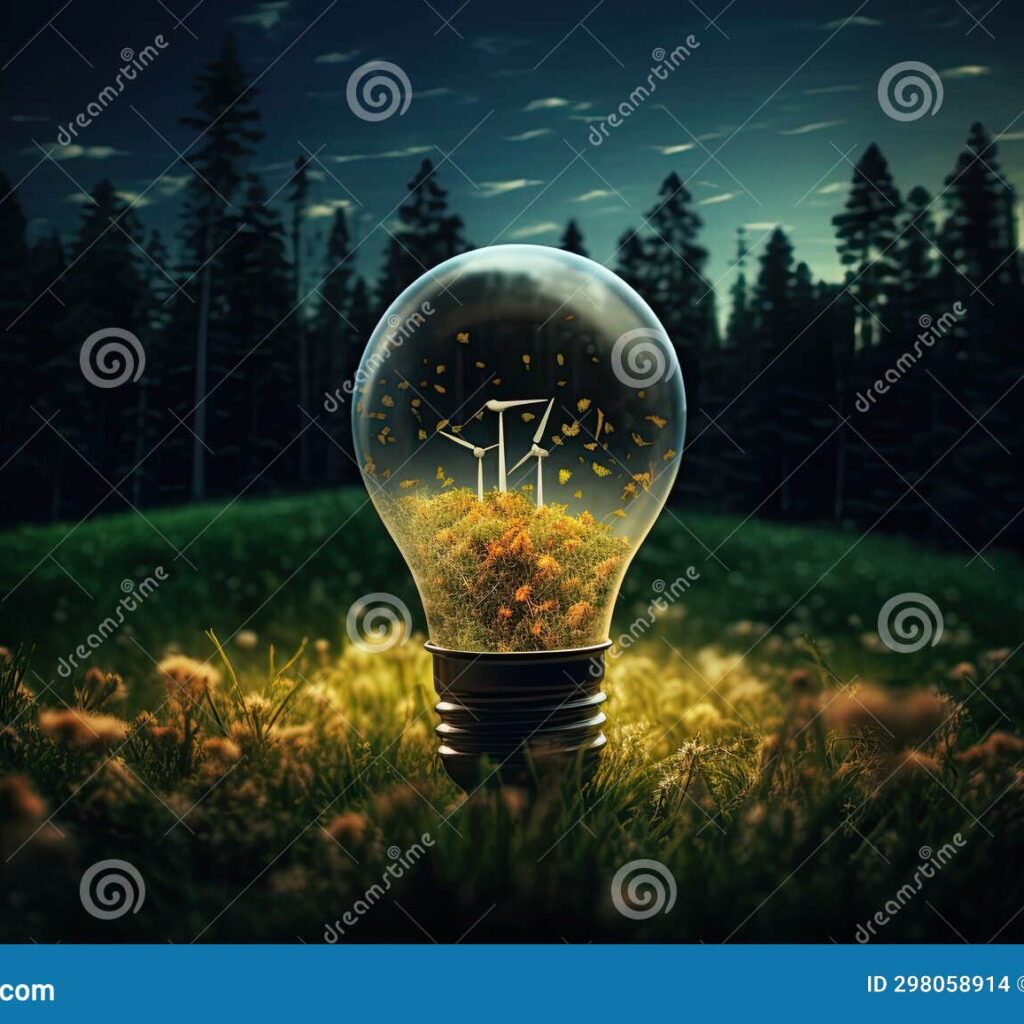
Short Answer
Definition of Clean Energy Sources
Clean energy sources refer to methods of generating power that produce little to no pollution or greenhouse gas emissions, thereby minimizing environmental harm. These energy forms harness natural processes and renewable resources to provide sustainable alternatives to fossil fuels, aiming to balance human energy needs with ecological preservation.
- Renewable:
Derived from resources that naturally replenish, such as sunlight, wind, water flow, geothermal heat, and organic matter. - Non-polluting:
Energy generation that emits negligible or zero harmful substances into the atmosphere. - Sustainable:
Capable of meeting current energy demands without compromising the ability of future generations to meet theirs.
Solar Energy: Harnessing the Power of the Sun
Solar energy captures sunlight and converts it into usable electricity or heat, primarily through photovoltaic (PV) cells. These cells transform solar radiation into electrical current, offering a versatile energy solution adaptable to both residential rooftops and large-scale solar farms. The sun’s energy is virtually limitless, making solar power a cornerstone of sustainable energy strategies worldwide.
Technological progress has steadily improved the efficiency and affordability of solar panels, enabling broader adoption. Solar installations integrate well into urban settings, turning buildings into self-sufficient energy producers and reducing the environmental impact of cities. Additionally, solar power systems incur minimal operational expenses after installation and produce no emissions during energy generation.
When thoughtfully designed, solar farms can coexist with local ecosystems, supporting biodiversity by providing habitats for various plant and animal species.
Wind Energy: Utilizing Atmospheric Movement
Wind energy exploits the kinetic force of moving air masses to generate electricity via turbines. These turbines convert wind’s mechanical energy into electrical power, offering a clean and renewable alternative to fossil fuels. Wind farms can be situated on land (onshore) or at sea (offshore), with offshore installations benefiting from stronger and more consistent winds.
Beyond environmental advantages, wind energy stimulates economic growth by creating jobs in manufacturing, installation, and maintenance sectors. Advances in turbine design have reduced noise pollution and enhanced energy capture efficiency, addressing earlier community concerns. Wind power supports decentralized energy production, promoting energy security and resilience.
Hydroelectric Energy: Power from Water Movement
Hydroelectric power harnesses the energy of flowing or falling water to produce electricity. Typically, dams and reservoirs store water at elevated levels, using gravity to drive turbines as water descends. This method has long been a major contributor to renewable energy generation, offering substantial electricity output with minimal greenhouse gas emissions.
In addition to power generation, hydroelectric infrastructure often provides benefits such as flood control, irrigation support, and water resource management. However, large dam projects can disrupt aquatic ecosystems and local habitats. To mitigate these impacts, alternative approaches like run-of-the-river systems are being developed, which generate power without large reservoirs.
Geothermal Energy: Tapping Earth’s Internal Heat
Geothermal energy exploits the heat stored beneath the Earth’s surface to produce electricity and provide heating. This energy source is highly reliable and consistent, unaffected by weather or seasonal changes. Geothermal plants typically have a small land footprint and emit very low levels of greenhouse gases.
Countries such as Iceland and the Philippines have successfully integrated geothermal power into their energy grids. Emerging technologies, including enhanced geothermal systems (EGS), aim to expand geothermal potential by accessing hot rock formations in regions lacking natural geothermal reservoirs. This approach promotes a sustainable, closed-loop energy cycle with manageable environmental impacts.
Biomass Energy: Converting Organic Materials into Power
Biomass energy involves generating power from organic substances like agricultural residues, wood waste, and municipal solid waste. This process transforms biological material into fuel, supporting a circular economy by reducing waste and providing a renewable energy source. When managed responsibly, biomass energy can be carbon-neutral, as the carbon dioxide released during combustion is offset by the carbon absorbed during the growth of the biomass.
However, sustainable biomass production requires careful oversight to prevent deforestation and avoid competition with food resources. When implemented thoughtfully, biomass energy revitalizes rural economies and blends traditional energy practices with modern technology.
Common Misconceptions About Clean Energy
Solar panels are too expensive and inefficient.
Advances in technology have significantly lowered costs and improved efficiency, making solar energy increasingly accessible and practical.
Wind turbines cause excessive noise and harm wildlife.
Modern turbine designs minimize noise, and careful siting reduces impacts on wildlife, with ongoing research improving coexistence strategies.
Hydroelectric dams always cause severe environmental damage.
While large dams can impact ecosystems, alternative hydro methods like run-of-the-river systems offer low-impact options.
Biomass energy contributes to deforestation.
Sustainable biomass practices ensure resource renewal and avoid negative effects on forests and food supplies.
Why Clean Energy Is Crucial
The transition to clean energy sources is vital for addressing climate change, reducing air pollution, and ensuring long-term energy security. By replacing fossil fuels with renewable alternatives, societies can decrease greenhouse gas emissions, protect ecosystems, and foster economic development through green jobs. Clean energy technologies also enhance energy independence and resilience, making them essential components of a sustainable future.
Conclusion: Embracing a Sustainable Energy Future
The global shift toward clean energy represents a critical response to environmental challenges and a commitment to sustainable development. Solar, wind, hydroelectric, geothermal, and biomass energies each offer unique benefits and collectively form a diversified portfolio capable of meeting the world’s energy needs responsibly. Through innovation and conscientious implementation, these renewable sources pave the way for a harmonious balance between human progress and environmental stewardship.
FAQ
What are clean energy sources?
Clean energy sources are methods of power generation that produce little to no pollution, such as solar, wind, hydroelectric, geothermal, and biomass.
Why is clean energy important?
Clean energy is crucial for reducing greenhouse gas emissions, combating climate change, and ensuring sustainable energy for future generations.





Leave a Reply