

Short Answer
Definition of Medical Physics
Medical physics is a specialized branch of science that applies the fundamental principles of physics to the field of medicine. It serves as a critical link between theoretical physics and practical healthcare, aiming to improve diagnostic techniques, therapeutic procedures, and overall patient outcomes. This discipline integrates scientific knowledge with clinical applications, fostering innovations that enhance the quality and safety of medical treatments.
- Core Focus:
Utilization of physics concepts to develop and optimize medical technologies and procedures. - Scope:
Encompasses areas such as radiation therapy, diagnostic imaging, dosimetry, and emerging treatment modalities. - Objective:
To ensure precise, effective, and safe medical interventions through the application of physics.
Historical Context and Evolution
Medical physics has evolved from a purely academic discipline into a vital component of modern healthcare. Initially rooted in the study of radiation and its biological effects, the field has expanded to include advanced imaging technologies and computational methods. This progression reflects the growing complexity of medical treatments and the increasing reliance on physics-based tools to diagnose and combat diseases.
Key Areas of Medical Physics
Radiation Oncology
Radiation oncology exemplifies the practical application of medical physics in cancer treatment. Medical physicists play a crucial role in calibrating and fine-tuning radiotherapy equipment to deliver ionizing radiation precisely to malignant tumors. Their expertise ensures that the radiation dose maximizes tumor destruction while minimizing harm to surrounding healthy tissues, balancing therapeutic benefits against potential risks.
Diagnostic Imaging Technologies
Medical physics underpins the development and operation of various imaging modalities that reveal internal body structures non-invasively. Techniques such as Magnetic Resonance Imaging (MRI), Computed Tomography (CT), and Positron Emission Tomography (PET) rely on distinct physical principles to generate detailed images, aiding clinicians in accurate diagnosis and treatment planning.
- MRI:
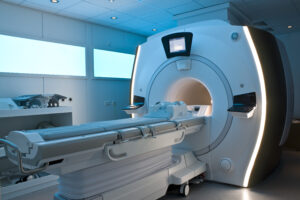
Utilizes strong magnetic fields and radiofrequency waves to produce high-resolution images of soft tissues. - CT Scans:
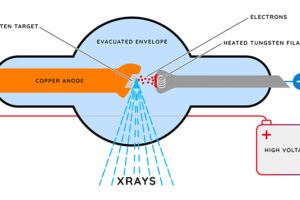
Employ X-rays to create cross-sectional images, providing detailed views of bone and soft tissue. - PET Scans:
Detect metabolic activity by tracking radioactive tracers, useful in oncology and neurology.
Dosimetry and Radiation Safety
Dosimetry involves the precise measurement and calculation of radiation doses administered during medical procedures. This discipline is essential for optimizing treatment efficacy while safeguarding patient health. Medical physicists assess how radiation interacts with biological tissues, ensuring that doses are accurately calibrated to achieve therapeutic goals without causing undue harm.
Emerging Technologies and Innovations
Beyond traditional applications, medical physics is at the forefront of pioneering treatments such as proton therapy. This advanced form of radiation therapy uses charged particles to target tumors with exceptional precision, reducing damage to adjacent healthy tissues. Additionally, the integration of artificial intelligence (AI) is revolutionizing treatment personalization by analyzing vast datasets to tailor therapies to individual patient profiles.
Mechanisms and Principles in Medical Physics
The foundation of medical physics lies in understanding how physical forces and particles interact with human tissues. For example, in radiation therapy, ionizing radiation deposits energy within cells, damaging their DNA and inhibiting cancer growth. Imaging technologies exploit electromagnetic waves or radioactive decay to visualize internal structures. Dosimetry quantifies these interactions to optimize treatment plans.
Mathematical Framework and Formulas
Medical physics employs various mathematical models to describe and predict treatment outcomes. In radiation therapy, the dose (D) delivered to tissue is often calculated using the formula:
D = (Energy deposited) / (Mass of tissue)
- D (Dose): Measured in Gray (Gy), representing the amount of energy absorbed per kilogram of tissue.
- Energy deposited: The total energy imparted by radiation to the tissue.
- Mass of tissue: The mass of the irradiated biological material.
These calculations are critical for ensuring that prescribed doses achieve therapeutic effects while minimizing side effects.
Practical Applications in Healthcare
Medical physics directly impacts patient care through the development and maintenance of diagnostic and therapeutic equipment. For instance, medical physicists calibrate MRI machines to produce clear images, design radiation treatment plans for cancer patients, and implement safety protocols to protect patients and staff from excessive radiation exposure. Their work enables precise interventions that improve survival rates and quality of life.
Common Misunderstandings About Medical Physics
- Misconception: Medical physics is solely about radiation therapy.
Correction: While radiation therapy is a major component, medical physics also encompasses diagnostic imaging, dosimetry, and emerging technologies like AI-driven treatment planning. - Misconception: Medical physicists work independently from clinical teams.
Correction: Collaboration with oncologists, radiologists, and other healthcare professionals is essential for integrated patient care.
Significance of Medical Physics in Modern Medicine
The importance of medical physics lies in its ability to bridge scientific theory and clinical practice, enhancing the precision and safety of medical interventions. By applying physics to medicine, this field drives technological advancements that improve diagnostic accuracy and therapeutic effectiveness. It also fosters innovation, contributing to the development of novel treatments that offer hope to patients worldwide.
Educational Pathways and Professional Development
Becoming a medical physicist requires rigorous education, typically involving advanced degrees in physics or medical physics, followed by specialized clinical training. Continuous professional development is vital due to rapid technological advancements. Participation in conferences, research, and peer-reviewed publications helps practitioners stay at the cutting edge of the field.
Interpersonal Skills and Multidisciplinary Collaboration
Beyond technical expertise, medical physicists must excel in communication and teamwork. They translate complex scientific concepts into actionable information for diverse healthcare teams, ensuring cohesive treatment strategies. This collaborative approach strengthens patient care and fosters a holistic understanding of medical challenges.
Future Outlook
Medical physics continues to evolve, integrating emerging technologies such as AI and particle therapy to refine patient care further. Its dual commitment to scientific precision and compassionate healthcare positions it as a cornerstone of future medical innovation, promising enhanced treatment outcomes and deeper insights into human health.
FAQ
What is medical physics?
Medical physics is a branch of science applying physics principles to medicine, improving diagnostic and therapeutic procedures.
What roles do medical physicists play in healthcare?
They develop, calibrate, and optimize medical imaging and radiation therapy equipment, ensuring safe and effective patient treatments.
What are common misconceptions about medical physics?
Medical physics is not solely about radiation therapy, and medical physicists work collaboratively with clinical teams.
What emerging technologies impact medical physics?
Proton therapy and artificial intelligence are key innovations enhancing precision and personalization of treatments.
What education is needed to become a medical physicist?
Advanced degrees in physics or medical physics with specialized clinical training and continuous professional development are required.




Leave a Reply