

Short Answer
Definition of Nuclear Science and Its Relation to Biology
Nuclear science primarily focuses on the study of atomic nuclei, their properties, and the interactions that govern nuclear reactions. It encompasses areas such as radiation physics, nuclear engineering, and the behavior of radioactive materials. Biology, on the other hand, is the scientific discipline dedicated to understanding living organisms, including their structure, function, growth, and evolution. Although these fields appear distinct, their intersection is significant, especially in applied sciences where nuclear technology impacts biological systems.
- Nuclear Science:
Investigation of atomic nuclei, nuclear reactions, and radiation phenomena. - Biology:
Study of living organisms, cellular processes, and physiological functions.
Interdisciplinary Connections Between Nuclear Science and Biology
The convergence of nuclear science and biology is most evident in areas such as nuclear medicine, environmental science, and biosensor technology. These interdisciplinary fields demonstrate how biological knowledge enhances the understanding and application of nuclear principles.
Nuclear Medicine
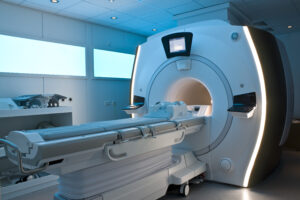
Nuclear medicine utilizes radioactive isotopes for diagnostic imaging and therapeutic treatments. The development and application of radiopharmaceuticals require a deep understanding of both nuclear physics and biological mechanisms, including cellular metabolism and disease pathology. This synergy enables precise targeting of diseases and effective treatment strategies.
Environmental Impact and Ecology
Assessing the ecological effects of nuclear power and radioactive waste involves studying how radiation interacts with living organisms and ecosystems. Biological expertise is crucial for evaluating radiation exposure risks to flora, fauna, and biodiversity, thereby informing sustainable environmental management and policy decisions.
Biosensors and Detection Technologies
Biosensors that detect radioactive substances integrate biological components with nuclear detection methods. Designing these devices demands knowledge of biological systems and nuclear properties to achieve high sensitivity and specificity in monitoring radioactive materials.
How Biology Enhances Nuclear Science Education and Practice
Incorporating biology into nuclear science education equips professionals with the skills to address complex challenges involving human health, environmental safety, and technological innovation. Understanding biological responses to radiation is essential for developing safety protocols, managing radiation exposure incidents, and advancing nuclear technologies responsibly.
- Health and Safety:
Knowledge of cellular and tissue-level effects of radiation supports the creation of effective safety standards and emergency response strategies. - Regulatory Compliance:
Biological literacy aids in navigating health regulations related to radiation exposure and public safety. - Technological Innovation:
Biological insights drive the development of novel nuclear applications, such as targeted therapies and biosensor devices.
Ethical Considerations in Nuclear Science Informed by Biology
The ethical landscape surrounding nuclear technologies is complex, involving concerns about dual-use applications, genetic impacts, and public health. A comprehensive understanding of biological ethics alongside nuclear science principles enables practitioners to make informed decisions that balance technological progress with moral responsibility.
Common Misconceptions About the Role of Biology in Nuclear Science
Nuclear science is solely a branch of physics and engineering.
While rooted in physics, nuclear science extensively overlaps with biology, especially in medical and environmental applications.
Biology is irrelevant to nuclear science careers.
Biological knowledge is critical for understanding radiation effects on living organisms and for developing safe and effective nuclear technologies.
Why Integrating Biology Is Crucial for Nuclear Science Advancement
The fusion of biological sciences with nuclear science fosters a holistic approach to research and application, enhancing problem-solving capabilities and promoting interdisciplinary collaboration. This integration is vital for advancing nuclear medicine, ensuring environmental protection, improving safety standards, and addressing ethical challenges, ultimately benefiting society through responsible scientific innovation.
Summary
Although nuclear science and biology may seem unrelated at first, their intersection is fundamental to many modern scientific and technological advancements. From medical diagnostics and treatment to environmental stewardship and ethical governance, a solid foundation in biology enriches the field of nuclear science, making it indispensable for aspiring professionals and researchers.
FAQ
Is a background in biology necessary for a career in nuclear science?
Yes, a background in biology is essential as it provides knowledge about the biological effects of radiation and helps in the development of safe nuclear technologies.
What role does biology play in nuclear medicine?
Biology is fundamental in nuclear medicine as it helps understand how radioactive materials can be used for diagnosis and treatment by targeting specific biological processes.




Leave a Reply