
Short Answer
Understanding Hardness in Materials
Hardness refers to a material’s resistance to deformation, particularly its ability to withstand scratching, abrasion, or indentation. This property is crucial in determining how materials perform under mechanical stress and wear. The concept of hardness is often explored through comparative scales and tests that reveal the relative strength of various substances.
The Mohs Scale: A Historical Benchmark
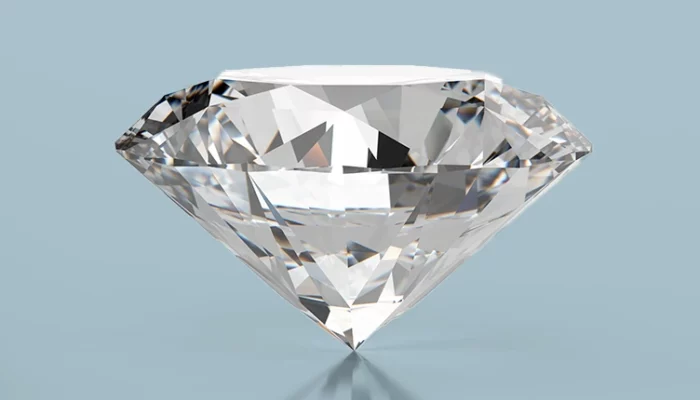
Developed in 1822 by Friedrich Mohs, the Mohs scale remains a fundamental tool in mineralogy for ranking materials based on their scratch resistance. It orders minerals from 1 to 10, with talc at the softest end and diamond at the hardest. This scale provides a straightforward method to assess and compare the durability of minerals and other materials.
- Diamond (10):
The hardest known natural material, composed of carbon atoms arranged in a unique crystalline lattice. - Quartz (7):
A common mineral with moderate hardness, widely used in various industrial applications. - Talc (1):
The softest mineral, easily scratched by most other substances.
Boron Carbide: The Hardest Non-Metal Material
Boron carbide (B₄C) stands out as the most resilient non-metallic compound, boasting a hardness rating between 9.0 and 9.5 on the Mohs scale. This material is composed of boron and carbon atoms bonded covalently in a complex three-dimensional lattice, which imparts exceptional strength and durability. Its remarkable ability to absorb shock and resist wear makes it a material of choice in demanding environments.
Structural Characteristics
The atomic arrangement in boron carbide forms a robust network that contributes to its high hardness. The intricate lattice structure allows it to maintain integrity under extreme pressure and mechanical stress, distinguishing it from other non-metal materials.
Manufacturing Process
Boron carbide is typically synthesized by reacting boron trioxide with carbon at high temperatures, resulting in a polycrystalline form with superior hardness and toughness. This production method ensures the material’s consistency and suitability for industrial applications.
Applications of Boron Carbide
Due to its exceptional hardness and lightweight nature, boron carbide is widely used in various sectors:
- Ballistic Armor:
Its ability to absorb impact makes it ideal for protective armor in military vehicles and personal body armor. - Abrasives:
Utilized in grinding, polishing, and cutting tools due to its wear resistance. - Nuclear Industry:
Functions as a neutron absorber in nuclear reactors, contributing to safety and control.
Other Noteworthy Hard Non-Metal Materials
While boron carbide is a leading contender, several other non-metal materials exhibit significant hardness and industrial relevance.
Silicon Carbide (SiC)
Silicon carbide is a compound of silicon and carbon with a hardness close to boron carbide, typically rated between 9 and 9.5 on the Mohs scale. It is prized for its thermal stability and electrical properties, making it valuable in electronics and high-temperature applications.
Alumina (Al₂O₃ or Corundum)
Alumina, commonly known as corundum, ranks around 9 on the Mohs scale. Although slightly less hard than boron carbide and silicon carbide, its abundance and versatility make it a staple in abrasives, cutting tools, and various industrial processes.
Common Misunderstandings About Hardness
- Misconception: Diamond is the only extremely hard material.
Correction: While diamond is the hardest natural material, compounds like boron carbide and silicon carbide also exhibit exceptional hardness, especially among non-metals. - Misconception: Hardness equates to brittleness.
Correction: Some hard materials, such as boron carbide, combine hardness with toughness, allowing them to absorb shocks without fracturing easily.
Significance of Hard Non-Metal Materials
The study and utilization of hard non-metal materials like boron carbide are vital for advancing technology and industry. Their unique properties enable innovations in defense, manufacturing, and energy sectors. Understanding these materials enhances our ability to design durable, efficient, and safe products that meet the demands of modern applications.
Summary
Exploring the hardest non-metal materials reveals a fascinating interplay of atomic structure, synthesis methods, and practical uses. Boron carbide emerges as a standout material, rivaling diamond in hardness while offering versatility across multiple industries. Alongside silicon carbide and alumina, it exemplifies the remarkable resilience found in non-metal compounds, underscoring the importance of materials science in shaping our technological landscape.
FAQ
What is the hardest non-metal except diamond?
Boron carbide is the hardest non-metal material, rated between 9.0 and 9.5 on the Mohs scale.
What are the applications of boron carbide?
Boron carbide is used in ballistic armor, abrasives, and as a neutron absorber in the nuclear industry.




Leave a Reply