

Short Answer
Definition
Studying physics after earning a Bachelor of Medicine and Bachelor of Surgery (MBBS) degree involves exploring the fundamental physical principles that underpin medical technologies and biological systems. This interdisciplinary pursuit bridges the gap between medicine and the physical sciences, enriching a medical professional’s knowledge base and enhancing their ability to apply scientific concepts in clinical and research settings.
Motivations for Pursuing Physics Post-MBBS
Before beginning the study of physics, it is crucial to identify the driving reasons behind this academic transition. Medical practitioners may be motivated by interests such as:
- Medical Imaging Technologies:
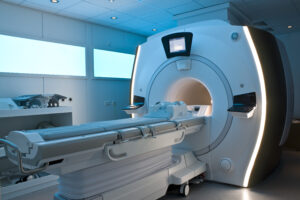
Understanding the physics behind MRI, CT scans, and ultrasound to improve diagnostic capabilities. - Biophysics:
Investigating the physical mechanisms governing biological processes like nerve conduction and muscle dynamics. - Radiation Therapy:
Applying principles of particle physics and radiation to enhance cancer treatment methods.
Clarifying these goals helps tailor the learning process and sustains engagement throughout the study.
Fundamental Physics Concepts to Revisit
For medical graduates, revisiting core physics topics is essential to build a solid foundation. Key areas include:
- Classical Mechanics:
Study of motion, forces, energy, and Newton’s laws that explain everyday physical phenomena. - Thermodynamics:
Principles governing heat, energy transfer, and their relevance to physiological processes. - Electromagnetism:
Understanding electric and magnetic fields, crucial for technologies like MRI.
Utilizing textbooks, online lectures, and academic notes can facilitate this foundational review.
Advanced Physics Topics Relevant to Medicine
After mastering the basics, delving into more complex subjects is vital for grasping modern medical technologies:
- Quantum Mechanics:
Explains interactions at the atomic and subatomic levels, fundamental for imaging and radiation therapies. - Special Relativity:
Important for understanding particle accelerators used in cancer treatment and advanced diagnostic tools. - Medical Physics:
Application of physics principles specifically tailored to medical diagnostics and treatment.
Interdisciplinary Approach: Integrating Biology and Chemistry
Combining physics with biology and chemistry enhances comprehension of complex biological systems. Biophysics, for example, merges these disciplines to explain phenomena such as:
- Nerve impulse transmission
- Muscle contraction mechanisms
- Molecular interactions within cells
This holistic approach fosters a deeper understanding of how physical laws operate within living organisms.
Utilizing Online Learning Platforms
The availability of digital resources has revolutionized self-directed education. Platforms like Coursera, edX, and Khan Academy offer structured physics courses tailored to various levels, often including practical exercises. These resources provide flexibility for busy medical professionals and facilitate interaction through forums and discussion groups, enhancing collaborative learning.
Practical Application of Physics in Medicine
Applying theoretical knowledge to real-world medical scenarios is critical. Engaging in workshops, seminars, and laboratory simulations helps solidify understanding of:
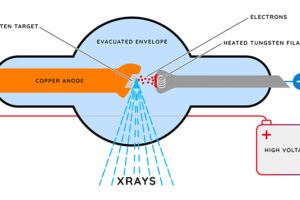
- Imaging techniques such as X-rays, MRI, and ultrasound
- Radiation therapy principles and safety
- Instrumentation and device operation
Hands-on experience bridges the gap between theory and clinical practice.
Developing Analytical and Critical Thinking Skills
Physics demands rigorous problem-solving and analytical reasoning. Enhancing these skills through:
- Solving physics problems and case studies related to medical applications
- Interpreting experimental data
- Engaging in scientific discussions and debates
These activities improve the ability to apply complex concepts effectively in medical contexts.
Engagement in Research Opportunities
Participating in research projects that integrate physics and medicine offers invaluable experience. Opportunities may include:
- Internships at academic or medical research institutions
- Collaborative studies on medical imaging or radiation therapy
- Development of innovative medical devices
Research involvement fosters practical application of knowledge and contributes to advancements in medical science.
Professional Societies and Networking
Joining organizations such as the American Physical Society (APS) or the Institute of Physics (IOP) provides access to:
- Conferences and seminars featuring the latest research
- Journals and publications in medical physics
- Networking opportunities with experts and peers
These connections support continuous learning and professional growth.
Commitment to Lifelong Learning
Both medicine and physics are rapidly evolving fields. Maintaining an ongoing commitment to education through:
- Reading current scientific literature
- Attending webinars and workshops
- Adapting to new technologies and methodologies
Ensures that knowledge remains relevant and applicable in clinical practice.
Why Studying Physics After MBBS Is Important
Integrating physics into a medical career enhances understanding of the scientific principles behind diagnostic and therapeutic technologies. This knowledge empowers practitioners to:
- Improve patient care through informed use of medical devices
- Contribute to interdisciplinary research and innovation
- Advance medical education and training
Ultimately, this fusion of disciplines drives progress in healthcare and medical science.
Conclusion
Embarking on the study of physics after completing an MBBS degree offers a transformative opportunity to deepen scientific insight and expand professional capabilities. By adopting a structured, interdisciplinary, and practical approach, medical professionals can master physics concepts that enhance their clinical practice and contribute to the advancement of medical technology and research.
FAQ
Why should a medical graduate study physics?
Studying physics provides medical graduates with a deeper understanding of the physical principles underlying medical technologies and biological systems, enhancing clinical practice and fostering innovation.
What topics in physics are most relevant after MBBS?
Classical mechanics, electromagnetism, quantum mechanics, and biophysics are particularly relevant due to their applications in medical imaging and treatments.
How can medical practitioners apply physics knowledge practically?
They can apply physics knowledge in diagnostics, medical imaging, radiation therapy, and research into new medical technologies.
Are there specific courses recommended for studying physics after MBBS?
Yes, online platforms like Coursera, edX, and Khan Academy offer physics courses tailored for interdisciplinary learners.
What role does research play in studying physics post-MBBS?
Research enables medical practitioners to apply theoretical physics concepts in real-world medical problems, fostering innovation and collaboration with physicists.



Leave a Reply