

Short Answer
Definition of Computed Tomography (CT) Scans and Ionizing Radiation
Computed tomography (CT) scans represent a sophisticated imaging technique widely used in modern medicine to generate detailed cross-sectional images of the body. These images are crucial for accurate diagnosis and effective treatment planning. Central to CT imaging is the use of ionizing radiation, a form of energy capable of removing electrons from atoms, thereby creating charged particles known as ions. This property enables CT scanners to differentiate between various tissues based on how they absorb X-rays, producing high-resolution images.
- Computed Tomography (CT):
A diagnostic tool that uses X-rays to create detailed cross-sectional images of internal body structures. - Ionizing Radiation:
Radiation with enough energy to ionize atoms, essential for imaging but potentially harmful at high doses. - Effective Dose:
Measured in sieverts (Sv), it quantifies the biological impact of radiation on human tissues.
Mechanism of CT Imaging and Radiation Exposure
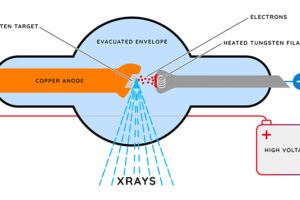
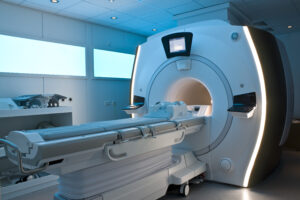
CT scanners operate by emitting X-rays that pass through the body and are attenuated differently by various tissues. Detectors capture these variations, which are then reconstructed into detailed images. The ionizing radiation involved in this process, while invaluable for imaging, carries inherent risks due to its ability to damage cellular DNA. The effective dose from a typical abdominal CT scan is approximately 10 millisieverts (mSv), which is notably higher than the average annual exposure to natural background radiation, estimated at 2-3 mSv.
Quantifying Radiation Risk: The Cumulative Effect
Repeated exposure to ionizing radiation from multiple CT scans raises concerns about cumulative risk. The linear no-threshold (LNT) hypothesis suggests that any amount of radiation, no matter how small, incrementally increases the risk of cancer. This model implies a direct proportionality between the total radiation dose received and the likelihood of developing radiation-induced malignancies. For example, undergoing several abdominal CT scans in a short period can significantly elevate a patient’s lifetime cancer risk.
Statistical data estimate that a 10 mSv dose corresponds to about a 1 in 2,000 chance of fatal cancer. However, this risk varies depending on factors such as the patient’s age, sex, and genetic predisposition, underscoring the importance of personalized risk assessment.
Evaluating the Risk-Benefit Balance of CT Scans
The diagnostic advantages of CT scans are substantial, offering unparalleled clarity in visualizing internal organs and tissues. This capability is critical in urgent medical scenarios, such as trauma assessment or cancer diagnosis. Nonetheless, healthcare professionals must carefully weigh these benefits against the potential radiation risks, especially when considering repeated imaging.
In acute conditions where rapid diagnosis is essential, the benefits of CT imaging often surpass the risks. Conversely, for chronic illnesses requiring frequent monitoring, alternative imaging methods like ultrasound or magnetic resonance imaging (MRI) are preferable due to their lack of ionizing radiation.
Factors Influencing Radiation Risk Assessment
Risk evaluation for multiple CT scans is complex and influenced by several patient-specific factors:
- Age:
Younger patients are more vulnerable to radiation effects because of their developing tissues and longer expected lifespan. - Genetic Susceptibility:
Individuals with hereditary cancer syndromes may have increased sensitivity to radiation-induced damage. - Health Status:
Pre-existing conditions can modify the risk profile and influence imaging decisions.
These considerations necessitate a tailored approach to imaging, balancing clinical needs with individual risk factors.
Technological Innovations Reducing Radiation Exposure
Recent advancements in CT technology have significantly improved radiation safety. Techniques such as iterative reconstruction and dose modulation dynamically adjust the radiation dose based on patient size and the specific anatomical area, minimizing unnecessary exposure while maintaining image quality.
Additionally, the integration of artificial intelligence (AI) in image analysis enhances diagnostic precision, potentially reducing the frequency of scans needed for conclusive results. AI-driven decision support systems exemplify a proactive strategy to limit radiation exposure without compromising diagnostic efficacy.
Importance of Patient Education and Informed Consent
Effective communication between healthcare providers and patients is vital in managing the risks associated with CT scans. Patients should be thoroughly informed about the purpose of the imaging, the potential radiation risks, and available alternative diagnostic options. Informed consent should reflect a comprehensive understanding rather than a mere procedural formality, empowering patients to participate actively in their healthcare decisions.
Practical Implications and Real-World Applications
CT scans are indispensable in various clinical scenarios, including:
- Emergency Medicine:
Rapid assessment of trauma, stroke, and acute abdominal conditions. - Oncology:
Tumor detection, staging, and monitoring treatment response. - Chronic Disease Management:
Surveillance of conditions such as inflammatory bowel disease or lung nodules, where alternative imaging may be preferred to reduce radiation exposure.
Common Misconceptions About CT Scan Radiation
Low doses of radiation from CT scans are completely safe.
Even small doses carry some risk, as per the linear no-threshold model, necessitating cautious use.
More scans always lead to better diagnosis.
Excessive imaging can increase radiation risk without significantly improving diagnostic outcomes; alternative methods should be considered.
Significance of Balancing Diagnostic Benefits and Radiation Safety
Understanding the interplay between the diagnostic value of CT scans and the potential hazards of ionizing radiation is crucial in modern healthcare. By adopting advanced imaging technologies, personalizing risk assessments, and fostering informed patient engagement, medical professionals can optimize patient outcomes while minimizing radiation-related risks. This balanced approach ensures that CT imaging remains a powerful tool in medicine without compromising long-term patient safety.
FAQ
How many CT scans are considered safe?
There is no fixed number of CT scans considered universally safe, as risk depends on cumulative radiation dose, patient age, and individual health factors. Clinicians weigh benefits and risks before recommending scans.
What is ionizing radiation and why is it a concern in CT scans?
Ionizing radiation is a type of energy that can remove electrons from atoms, potentially damaging DNA and increasing cancer risk. CT scans use ionizing radiation, so repeated exposure can increase cumulative risk.
Are there alternatives to CT scans to reduce radiation exposure?
Yes, alternatives such as MRI and ultrasound provide diagnostic imaging without ionizing radiation and may be preferred for repeated imaging when clinically appropriate.
How do technological advances reduce radiation doses in CT scans?
Techniques like iterative reconstruction, dose modulation, and AI-driven image processing reduce the radiation dose needed to produce quality images, minimizing patient exposure.
Why is informed consent important before performing a CT scan?
Informed consent ensures patients understand the benefits, risks, and alternatives to CT scans, enabling them to make educated decisions about their medical care.



Leave a Reply