
Short Answer
Definition of Gamma Rays
Gamma rays represent the highest-energy segment of the electromagnetic spectrum, characterized by their extraordinary penetrating power and ionizing capability. These rays are photons emitted from the most energetic and often violent processes in the universe, such as stellar explosions and radioactive decay. Unlike lower-energy electromagnetic waves like microwaves or visible light, gamma rays carry immense energy that can alter atomic structures and pass through most materials, including living tissue.
Fundamental Nature and Origin
Gamma rays arise from nuclear transitions and high-energy particle interactions. Their production is typically linked to phenomena involving unstable atomic nuclei or particles accelerated to near-light speeds. For instance, when an unstable nucleus undergoes radioactive decay, it may release gamma photons as it transitions to a more stable state. Similarly, in astrophysical contexts, gamma rays are generated by cataclysmic events such as supernovae, where massive energy releases produce these high-frequency photons.
Methods of Gamma Ray Generation
Producing gamma rays requires highly specialized equipment and controlled environments, far beyond the scope of typical household capabilities. The primary methods include:
- Particle Accelerators:
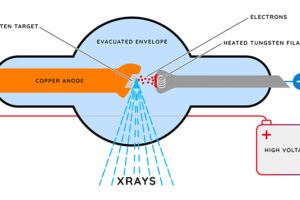
These devices propel electrons or other charged particles to velocities approaching the speed of light. When these particles collide with target materials, the resulting interactions emit gamma radiation. - Nuclear Reactors and Radioisotopes:
Certain radioactive isotopes, such as cobalt-60 and cesium-137, emit gamma rays during their decay processes. Nuclear reactors can also serve as sources of gamma radiation through fission reactions.
Conceptual Analogies for Home Understanding
While direct generation of gamma rays at home is neither practical nor safe, some analogies can help conceptualize their nature:
- Radioactive Decay:
The spontaneous emission of gamma rays from unstable nuclei can be likened to the gradual falling of autumn leaves, symbolizing the natural progression toward stability. - Fluorescence:
Although fluorescence involves lower-energy photons, it demonstrates energy absorption and re-emission processes within the electromagnetic spectrum, offering a simplified glimpse into photon behavior.
Safety and Ethical Considerations
Handling or attempting to produce gamma rays outside of professional settings poses significant health risks due to their ionizing nature. Their ability to penetrate biological tissues can cause cellular damage, making strict safety protocols essential in medical, industrial, and research applications. Ethical guidelines govern the use of gamma radiation to prevent misuse and protect both individuals and the environment.
Scientific and Practical Importance
Gamma rays play a crucial role in various fields:
- Medical Applications:
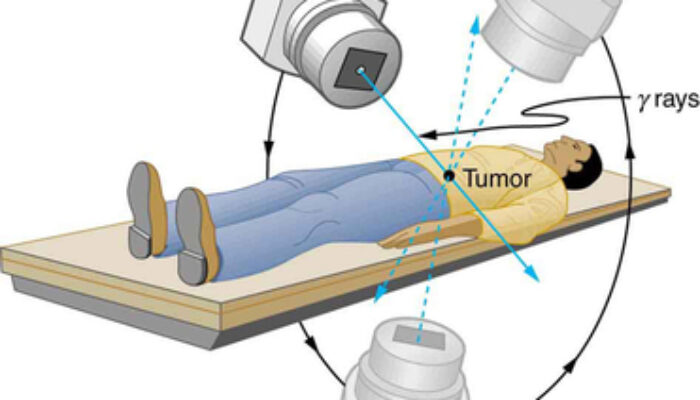
Used in cancer radiotherapy to target and destroy malignant cells with precision. - Astrophysics:
Observations of gamma rays help scientists understand cosmic events and the fundamental workings of the universe. - Industrial Uses:
Employed in non-destructive testing and sterilization processes.
Common Misconceptions About Gamma Rays
Gamma rays can be safely generated or experimented with at home.
Due to their high energy and penetrating power, gamma rays require specialized equipment and strict safety measures, making home generation unsafe and impractical.
Gamma rays are similar to visible light or other low-energy electromagnetic waves.
Gamma rays possess vastly higher energy levels and different interaction mechanisms with matter compared to visible light or microwaves.
Why Understanding Gamma Rays Matters
Comprehending gamma rays is vital for advancing scientific knowledge and technological innovation. Their unique properties enable breakthroughs in medical treatments, deepen our grasp of cosmic phenomena, and enhance industrial processes. Moreover, recognizing the dangers associated with gamma radiation fosters responsible use and promotes safety in environments where exposure is possible.
Summary: The Impracticality of Home Gamma Ray Production
While the idea of generating gamma rays domestically sparks curiosity, it remains a theoretical exercise rather than a feasible endeavor. The complexity of the physics involved, combined with the necessity for advanced technology and rigorous safety protocols, places gamma ray production firmly within professional domains. Appreciating gamma rays as a profound natural phenomenon encourages respect for the delicate balance between scientific exploration and ethical responsibility.
FAQ
Can gamma rays be generated at home?
No, generating gamma rays at home is unsafe and impractical due to the required specialized equipment and safety protocols.
What are gamma rays used for?
Gamma rays are used in medical radiotherapy, astrophysics research, and industrial applications such as sterilization.




Leave a Reply