

Short Answer
Definition of Physics in Medicine
Physics, the fundamental science concerned with matter, energy, and their interactions, plays a crucial role in the field of medicine. It provides the theoretical foundation and practical tools necessary for diagnosing, treating, and researching various health conditions. The integration of physics into medicine allows for a quantitative and mechanistic understanding of complex biological systems, enabling innovations that improve patient care and medical outcomes.
Medical Imaging Technologies
X-ray Imaging
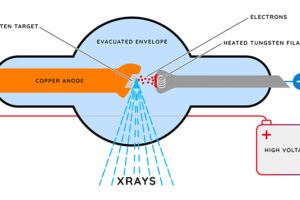
X-ray imaging is one of the earliest and most widespread applications of physics in medicine. It operates on the principle of electromagnetic radiation passing through the body, where different tissues absorb X-rays to varying degrees. Dense structures like bones absorb more radiation, appearing white on the resulting images, while softer tissues absorb less, appearing darker. This contrast enables clinicians to detect fractures, tumors, and other abnormalities with precision.
Magnetic Resonance Imaging (MRI)
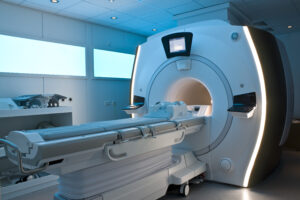
MRI technology harnesses the principles of nuclear magnetic resonance, a phenomenon rooted in quantum mechanics. By applying strong magnetic fields and radiofrequency pulses, MRI machines generate detailed images of soft tissues, including the brain, muscles, and heart. This non-invasive technique provides critical insights into neurological disorders, musculoskeletal injuries, and cardiac conditions, significantly enhancing diagnostic accuracy and surgical planning.
Computed Tomography (CT) Scans
CT scans combine X-ray technology with advanced computer processing to create cross-sectional images of the body. This method, based on tomography, captures “slices” of internal anatomy, revealing intricate details that traditional X-rays cannot. CT imaging is invaluable for diagnosing complex conditions, guiding interventions, and monitoring treatment progress.
Physics in Therapeutic Applications
Radiation Therapy
Radiation therapy employs ionizing radiation to target and destroy cancerous cells. This treatment relies on understanding dose distribution and energy absorption at the molecular level, a field known as radiobiology. By precisely controlling radiation delivery, medical physicists maximize tumor eradication while minimizing harm to surrounding healthy tissues, enabling personalized cancer treatment plans.
Ultrasound Technology
Ultrasound uses high-frequency sound waves to produce real-time images of internal organs and tissues. The physics of sound wave propagation and reflection allows clinicians to visualize fetal development, cardiac function, and abdominal organs without invasive procedures. Its safety and versatility make ultrasound a cornerstone in obstetrics, cardiology, and emergency medicine.
Biophysics: Bridging Physics and Biology
Biophysics applies physical principles to study biological systems at molecular, cellular, and organismal levels. Techniques such as fluorescence microscopy and atomic force microscopy enable detailed observation of cellular structures and molecular interactions. This interdisciplinary approach advances drug development, enhances understanding of enzymatic functions, and informs novel therapeutic strategies.
Fluid Dynamics in Human Physiology
The study of fluid dynamics is essential for comprehending physiological processes like blood circulation and respiration. Hemodynamics, a subfield, analyzes blood flow characteristics to assess cardiovascular health and design medical devices such as stents and artificial heart pumps. Understanding magnetohydrodynamics-the behavior of blood under magnetic fields-provides insights into diseases like atherosclerosis and hypertension.
Biomechanics and Human Movement
Biomechanics investigates the mechanical aspects of human motion, including forces, torques, and energy expenditure. This knowledge informs rehabilitation protocols, the design of orthotic devices, and the development of prosthetics. By applying physics to human movement, researchers create adaptive assistive technologies that improve mobility and quality of life for individuals with physical impairments.
Nanotechnology and Pharmacology
Advances in pharmacology increasingly depend on physics-based nanotechnology, which manipulates materials at the molecular scale for targeted drug delivery. Understanding physical processes such as diffusion and convection is critical for optimizing drug kinetics, enhancing therapeutic efficacy, and reducing side effects. This intersection of physics and medicine is revolutionizing treatment modalities.
Space Exploration and Medical Physics
Technologies developed for space missions have influenced medical physics, particularly in imaging and materials science. For instance, radiation shielding designed for spacecraft has been adapted to protect healthcare workers and patients during radiation therapy. This cross-disciplinary exchange exemplifies how innovations in one field can benefit another.
Common Misconceptions About Physics in Medicine
Physics in medicine is only about using machines.
While technology is a major aspect, physics also provides fundamental insights into biological processes and mechanisms that inform medical research and treatment.
Radiation therapy harms all tissues equally.
Modern radiation therapy targets cancer cells precisely, minimizing damage to healthy tissues through controlled dose distribution.
Ultrasound imaging uses harmful radiation.
Ultrasound employs sound waves, which are non-ionizing and safe for both patients and clinicians.
Significance of Physics in Medicine
The integration of physics into medicine is vital for advancing healthcare. It enables the development of sophisticated diagnostic tools, effective treatments, and innovative research methodologies. By elucidating the physical principles underlying biological functions, physics enhances our ability to understand, prevent, and cure diseases. This synergy not only improves patient outcomes but also drives continuous innovation in medical science and technology.
FAQ
How does physics contribute to medical imaging?
Physics provides the principles behind various imaging technologies such as X-rays, MRI, and CT scans, allowing for accurate diagnosis and treatment planning.
What role does biophysics play in medicine?
Biophysics applies the principles of physics to biological systems, enhancing our understanding of cellular processes and informing drug development.
Is radiation therapy harmful to all tissues?
No, modern radiation therapy is designed to target cancer cells specifically, minimizing harm to surrounding healthy tissues.




Leave a Reply