

Short Answer
Definition of Medical Physics
Medical physics is an interdisciplinary field that merges the principles of physics with medical science to enhance healthcare technologies and patient treatment. It involves applying physical concepts and techniques to diagnose, monitor, and treat diseases, thereby bridging the gap between theoretical physics and practical medicine.
- Core Focus:
The discipline centers on understanding how physical phenomena can be harnessed to improve medical imaging, radiation therapy, and other healthcare technologies. - Scope:
It encompasses areas such as radiation physics, medical imaging modalities, and the ethical considerations involved in patient care.
Foundational Principles in Medical Physics
To excel in medical physics, students must first master fundamental physics concepts that serve as the foundation for more specialized applications in medicine.
- Classical Mechanics:
Understanding motion and forces is essential for grasping the mechanics behind medical devices and imaging techniques. - Electromagnetism:
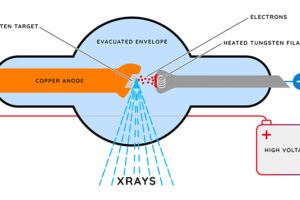
This principle explains the behavior of electromagnetic waves, crucial for technologies like MRI and X-rays. - Thermodynamics:
Knowledge of energy transfer and heat is important for understanding biological systems and medical equipment operation.
Technological Applications in Medical Physics
Medical physics integrates advanced technologies that translate physical theories into practical tools for healthcare.
- Computed Tomography (CT):
CT scans use X-ray measurements taken from different angles to create detailed cross-sectional images of the body, revealing internal structures with precision. - Magnetic Resonance Imaging (MRI):
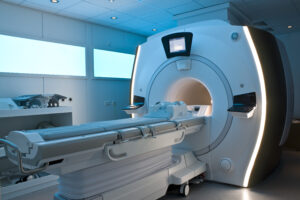
MRI employs strong magnetic fields and radio waves to generate detailed images of organs and tissues without ionizing radiation. - Radiation Therapy:
This treatment uses controlled doses of radiation to target and destroy cancerous cells while minimizing damage to healthy tissue.
Educational Challenges and Learning Approaches
The study of medical physics is intellectually demanding, requiring a blend of theoretical knowledge and practical skills.
- Problem-Solving:
Students engage in complex exercises that integrate physics concepts with clinical scenarios. - Laboratory Work:
Hands-on experiments and simulations help solidify understanding of medical devices and radiation interactions. - Case Studies:
Real-world examples encourage critical thinking and application of ethical principles in patient care.
Adapting to Technological Advancements
The rapid evolution of medical technology necessitates continuous learning and adaptability among medical physics students and professionals.
- Digital Simulations:
Virtual environments allow for safe experimentation with radiation doses and imaging techniques. - Emerging Tools:
Staying updated with innovations such as advanced imaging systems and precision radiation devices is crucial for effective practice. - Blended Learning:
Combining traditional study methods with modern digital resources enhances comprehension and skill development.
Ethical Considerations in Medical Physics
Beyond technical expertise, medical physics demands a strong ethical framework due to its direct impact on patient health and safety.
- Patient-Centered Care:
Medical physicists must balance technological capabilities with compassionate treatment approaches. - Hippocratic Principles:
Commitment to do no harm guides decision-making in diagnostic and therapeutic procedures. - Responsibility:
Professionals are accountable for ensuring accuracy and safety in the use of medical technologies.
Career Prospects and Professional Growth
Graduates in medical physics often find rewarding careers that combine scientific innovation with meaningful contributions to healthcare.
- Clinical Roles:
Working alongside medical teams to optimize diagnostic and treatment technologies. - Research Opportunities:
Developing new methods and improving existing technologies to advance patient care. - Networking and Mentorship:
Building relationships with experienced professionals supports career development and collaborative projects.
Common Misconceptions About Studying Medical Physics
Medical physics is purely theoretical and lacks practical application.
The field is deeply practical, involving hands-on work with medical devices and patient care technologies.
The subject is too difficult to master without a medical background.
While challenging, a strong foundation in physics and dedication can lead to success regardless of prior medical knowledge.
Significance of Medical Physics in Healthcare
Medical physics plays a pivotal role in modern medicine by enhancing diagnostic accuracy and treatment effectiveness, ultimately improving patient outcomes.
- Technological Innovation:
Advances in imaging and radiation therapy rely heavily on medical physics expertise. - Patient Safety:
Ensuring precise application of radiation and imaging techniques minimizes risks and side effects. - Healthcare Advancement:
The field drives continuous improvement in medical technologies, contributing to better disease management and quality of life.
FAQ
What is medical physics?
Medical physics is an interdisciplinary field that merges physics and medical science to enhance healthcare technologies and patient treatment.
What skills are necessary to study medical physics?
Students need a strong foundation in physics, problem-solving skills, and the ability to apply theoretical concepts in practical scenarios.
Is a medical background necessary for studying medical physics?
No, while beneficial, a strong foundation in physics and dedication can lead to success in this field.



Leave a Reply