
Short Answer
Definition of Dating Ancient Pottery
Dating ancient pottery involves determining the age of ceramic artifacts by analyzing their physical and chemical transformations caused by firing processes. This practice merges archaeological inquiry with scientific techniques, enabling researchers to establish a chronological context for artifacts and thereby connect with historical human activities.
- Pottery Firing:
The process of heating shaped clay in a kiln, which induces molecular changes that harden the material and preserve it over time. - Re-firing:
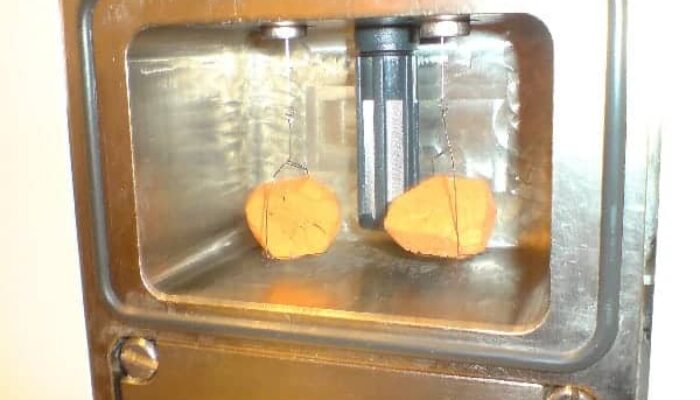
Subjecting pottery to a second heating event, which can release trapped electrons and provide data for dating methods.
Scientific Principles Behind Pottery Dating
The dating of ceramic objects is fundamentally linked to the thermodynamic and radioactive properties of minerals within the clay. When pottery is initially fired, electrons become trapped in the crystal lattice of minerals due to exposure to ionizing radiation. Over time, these electrons accumulate, and their release upon reheating emits luminescence that can be measured to estimate the time elapsed since the last firing.
Thermoluminescence Dating Explained
Thermoluminescence (TL) dating is a key technique used to date ceramics by measuring the light emitted from mineral crystals when reheated. The intensity of this luminescence correlates with the radiation dose absorbed since the last firing, allowing scientists to calculate the artifact’s age with considerable accuracy.
Technological Context: Kiln Evolution and Its Impact
The development of kiln technology plays a crucial role in understanding pottery dating. Early civilizations employed various kiln designs, each producing ceramics with distinct thermal and structural characteristics. These technological variations not only assist in dating artifacts but also provide insights into the cultural and technological advancements of societies.
Characteristics of Early Kilns
- Primitive Kilns:
Simple, often open-air or pit kilns that produced uneven firing results, characteristic of early pottery. - Advanced Kilns:
More sophisticated structures with controlled temperatures, reflecting technological progress and influencing ceramic quality.
Interdisciplinary Collaboration in Pottery Dating
The process of dating ancient ceramics benefits greatly from the combined expertise of physicists, archaeologists, and historians. Physicists contribute knowledge of thermal dynamics and radioactive decay, archaeologists provide contextual understanding of the artifacts, and historians interpret the findings within broader cultural narratives. This multidisciplinary approach enriches the accuracy and depth of archaeological interpretations.
Ethical Considerations in Re-firing Pottery
While re-firing pottery is essential for thermoluminescence dating, it raises ethical questions regarding the preservation of cultural heritage. The potential risk of damaging irreplaceable artifacts necessitates a careful balance between scientific investigation and conservation principles, ensuring that the pursuit of knowledge does not compromise the integrity of historical objects.
Advanced Analytical Techniques Beyond Dating
Modern scientific methods extend the study of ancient pottery beyond age determination. Techniques such as X-ray diffraction (XRD) and scanning electron microscopy (SEM) allow detailed examination of the ceramic’s mineral composition and microstructure. These analyses reveal information about raw material sources, manufacturing techniques, and trade relationships among ancient communities.
Real-World Applications and Significance
Dating ancient pottery provides invaluable insights into past human societies, shedding light on their daily lives, economic activities, and cultural expressions. Each ceramic artifact acts as a historical record, encapsulating the technological capabilities and social dynamics of its time. This knowledge enhances our understanding of human development and cultural evolution across millennia.
Common Misconceptions About Pottery Dating
Pottery dating can provide exact calendar years.
Dating methods like thermoluminescence estimate age ranges rather than precise dates, due to variables in radiation exposure and environmental factors.
Re-firing always damages pottery.
When carefully controlled, re-firing for TL dating can be performed with minimal risk, though ethical considerations remain paramount.
Why Dating Ancient Pottery Is Important
Understanding the age and origin of ceramic artifacts is vital for reconstructing historical timelines and cultural developments. The integration of physics and archaeology through pottery dating bridges the gap between scientific analysis and human history, offering a window into the lives of past civilizations. This knowledge not only enriches academic research but also fosters appreciation and preservation of cultural heritage worldwide.
FAQ
What is the significance of dating ancient pottery?
Dating ancient pottery helps reconstruct historical timelines and cultural developments, offering insights into past human societies.
What are common misconceptions about pottery dating?
One misconception is that pottery dating provides exact calendar years; in reality, it estimates age ranges due to various influencing factors.




Leave a Reply