
Short Answer
Understanding Microbial Electricity Generation
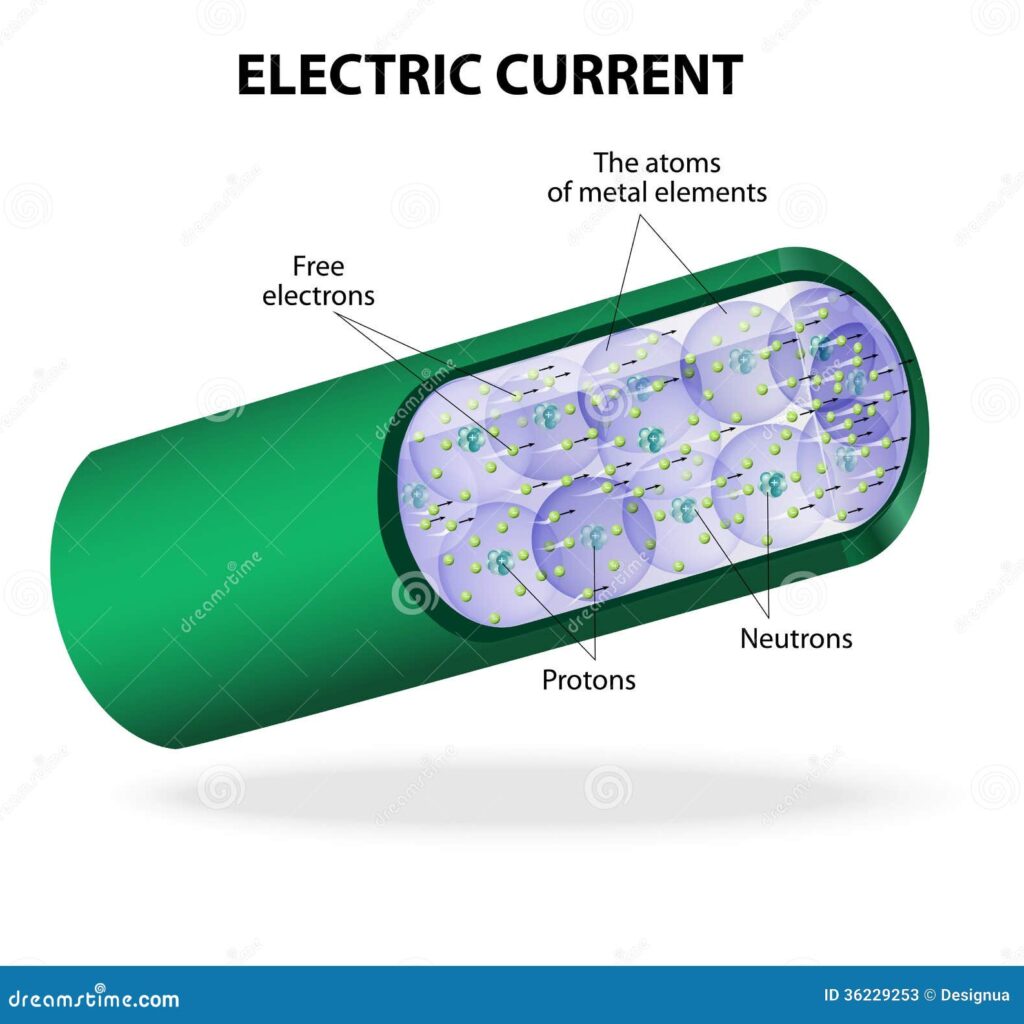
Microbial electricity generation is a fascinating phenomenon studied extensively in microbiology and bioelectrochemistry. Certain microorganisms, especially bacteria, have the remarkable ability to produce and transfer electrons under specific environmental conditions. This electron movement forms microbial electrical circuits, which are crucial for comprehending bacterial metabolic processes and hold significant promise for various biotechnological innovations, including renewable energy production, environmental cleanup, and biosensing technologies.
Fundamentals of Microbial Electron Transfer
The generation of electrical currents by microbes is deeply rooted in their unique metabolic pathways. Bacteria utilize anabolic and catabolic reactions to obtain energy and build cellular components. Electrogenic bacteria exhibit complex extracellular electron transfer (EET) systems, which can be broadly divided into two main types:
- Direct Electron Transfer:
This involves the movement of electrons through conductive structures called nanowires, which are protein-based appendages that facilitate electron flow over distances that would otherwise hinder electron transport. - Indirect Electron Transfer:
In this pathway, electrons are shuttled via soluble redox-active molecules, known as mediators, which carry electrons between the bacterial cell and external acceptors.
Key Electrogenic Bacteria and Their Adaptations
Prominent examples of bacteria capable of EET include Geobacter sulfurreducens and Shewanella oneidensis. These species have evolved specialized cellular structures and secretion systems to optimize electron transfer efficiency. Nanowires, in particular, represent an evolutionary adaptation that enables these microbes to survive and thrive in environments with limited electron acceptors, such as sediments and subsurface soils.
Role of Extracellular Electron Transfer in Environmental Processes
Beyond energy conservation for microbial growth, extracellular electron transfer plays a vital role in biogeochemical cycles, especially in the reduction of metals. For instance, Geobacter and Shewanella species reduce iron and manganese oxides, processes that are essential for mineral weathering and nutrient cycling. These microbial activities contribute to sustaining ecosystems in harsh environments by facilitating elemental transformations through electron flow.
Microbial Fuel Cells: Harnessing Biological Electricity
Microbial fuel cells (MFCs) exemplify a practical application of microbial electron transfer. In MFCs, bacteria act as biocatalysts that oxidize organic substrates, transferring electrons to an anode and generating an electrical current. The efficiency of these systems depends on factors such as the metabolic traits of the microbial community, the design of the fuel cell, and the type of substrates used. MFCs represent a promising avenue for sustainable bioenergy production.
Applications in Bioremediation
Microbial circuits extend their utility to environmental remediation. Certain bacteria capable of degrading pollutants, including heavy metals and organic contaminants, utilize EET to enhance detoxification. By linking their metabolic pathways with electron transfer mechanisms, these microbes can accelerate the breakdown of hazardous substances. This approach is particularly valuable for in-situ bioremediation, offering a dual benefit of environmental restoration and energy recovery.
Biosensing Capabilities of Microbial Systems
Microbial electrical activity can also serve as a sensitive indicator of environmental changes. Some bacteria alter their electron transfer rates in response to toxins or nutrient fluctuations. Integrating these microbial responses with electronic devices has led to the development of biosensors capable of real-time detection of pollutants and pathogens. These biosensors provide advantages in specificity and sensitivity over conventional detection methods, enhancing environmental and clinical monitoring.
Challenges and Future Directions
Despite the promising potential of microbial electrical circuits, several challenges remain. The stability and viability of microbial communities in engineered systems can be influenced by environmental factors such as pH, temperature, and substrate availability. Additionally, complex interactions among different microbial species can impact electron transfer efficiency. Advances in synthetic biology, genetic modification, and metabolic engineering are critical to overcoming these obstacles and improving system performance and durability.
Interdisciplinary Advances and Emerging Opportunities
The convergence of microbiology, nanotechnology, and materials science is driving innovation in microbial applications. A deeper understanding of microbial electron transfer mechanisms is expected to lead to breakthroughs in energy technologies, sustainable environmental management, and health monitoring systems. These developments highlight the extraordinary capabilities of microbial life and challenge traditional views on energy generation and bioremediation.
Conclusion: The Significance of Microbial Electron Flow
Exploring electron transfer within microbial circuits reveals a complex network of interactions that sustain life and offer diverse practical applications. Continued research into microbial metabolism and electron transport promises to enable the design of robust, efficient, and eco-friendly systems. Harnessing microbial electricity may provide sustainable solutions to contemporary challenges in energy, environment, and health.
FAQ
What are microbial fuel cells?
Microbial fuel cells (MFCs) are systems where bacteria act as biocatalysts to oxidize organic substrates, transferring electrons to generate electrical current.
How do bacteria transfer electrons?
Bacteria transfer electrons either directly through conductive structures called nanowires or indirectly via redox-active molecules that shuttle electrons.
What are the applications of microbial circuits?
Microbial circuits are used in energy production, environmental remediation, and biosensing technologies.



Leave a Reply