
Short Answer
Definition of the Double Helix
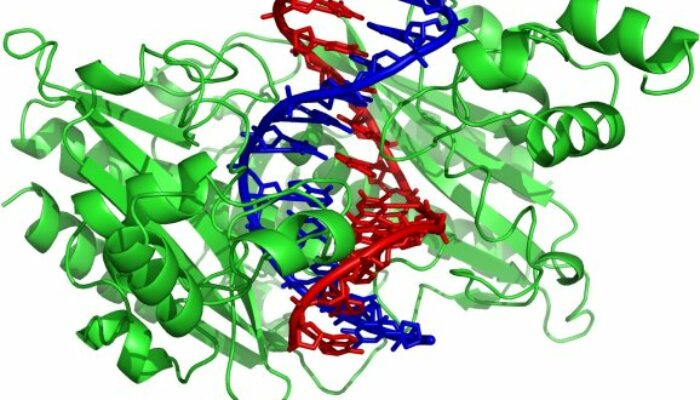
The double helix is the iconic structural form of DNA, consisting of two complementary strands twisted around each other. This configuration serves as the fundamental framework for storing and transmitting genetic information in living organisms. Each strand is composed of nucleotides paired through specific base pairs, creating a stable yet dynamic molecular architecture essential for life.
- Structure:
Two intertwined strands forming a spiral staircase-like shape. - Function:
Encodes genetic instructions necessary for cellular processes and heredity. - Composition:
Made up of sugar-phosphate backbones and nitrogenous bases (adenine, thymine, cytosine, guanine).
Electrochemical Properties of the Double Helix
Beyond its genetic role, the double helix exhibits unique electromagnetic characteristics due to its molecular topology. The spatial arrangement of nucleotides generates intrinsic dipole moments, enabling the DNA molecule to interact with electric fields. This property allows the double helix to facilitate the movement of electrical charges along its length, effectively acting as a conduit for electron transport within biological systems.
Mechanism of Charge Transport
Each nucleotide’s atomic configuration contributes to localized polarity, which, under external or internal electric influences, can redistribute charges across the base pairs. This charge migration creates pathways that support electron flow, particularly during biochemical reactions involving proteins and enzymes. Such electronic coupling is critical for modulating molecular interactions at the nanoscale.
Role in Protein Dynamics and Functionality
Proteins rely heavily on their three-dimensional conformations to perform biological functions. The double helix’s ability to transmit electrical signals influences protein folding and stability by enhancing electrostatic interactions among amino acids. As proteins interact with or move along the DNA strand, the resulting electric fields can facilitate conformational adjustments, optimizing protein activity and efficiency.
Implications for Protein Misfolding Diseases
Protein misfolding is a hallmark of numerous neurodegenerative conditions, including Alzheimer’s and Parkinson’s diseases. The double helix’s role in regulating electronic environments suggests that disruptions in its structure may adversely affect protein folding fidelity. Understanding this relationship opens potential avenues for therapeutic interventions aimed at correcting or preventing misfolding through modulation of DNA’s electrochemical properties.
Applications in Bioinformatics and Nanotechnology
The electric characteristics of DNA have significant implications for the development of biomolecular devices. Advances in nanotechnology leverage these properties to design DNA-based sensors, molecular circuits, and drug delivery systems. By integrating biological molecules with electronic components, researchers are pioneering innovative tools for diagnostics, biosensing, and targeted therapies.
DNA as a Molecular Conduit
Utilizing the double helix as an “electric slide” for proteins and electrons enables the creation of bioelectronic interfaces. These interfaces can translate biological signals into electronic outputs, facilitating real-time monitoring and control of cellular processes.
Broader Biological and Evolutionary Significance
The fascination with the double helix extends beyond its structural beauty to its multifaceted biological roles. Its capacity to mediate electrical signaling suggests a deeper involvement in cellular communication and metabolic regulation. This perspective enriches our understanding of molecular interactions and highlights the complexity of life’s biochemical networks.
Evolutionary Perspectives
Charge transport along the double helix may have influenced evolutionary trajectories by favoring organisms that efficiently harnessed these electrical properties for metabolic and signaling advantages. This evolutionary pressure underscores the integration of biophysical phenomena into the development of life’s molecular machinery.
Future Directions and Scientific Impact
Exploring the double helix as an active participant in bioelectrical processes bridges structural biology, biophysics, and evolutionary science. This interdisciplinary approach promises to deepen insights into cellular homeostasis, intercellular communication, and molecular evolution. Moreover, the practical applications stemming from these discoveries could revolutionize biotechnology, medicine, and synthetic biology by harnessing DNA’s electrical capabilities.
Summary
The double helix transcends its traditional role as a genetic blueprint, emerging as a dynamic platform for electrical charge transmission that influences protein behavior and cellular function. This paradigm shift redefines our understanding of DNA, positioning it as a critical player in bioelectrical phenomena that sustain life. Continued research in this area holds transformative potential for both fundamental biology and applied sciences.
FAQ
What is the double helix?
The double helix is the structural form of DNA consisting of two complementary strands that encode genetic information.
How does the double helix influence protein function?
The double helix facilitates electrical signaling, impacting protein folding and stability, which is crucial for their biological functions.
What are the implications of the double helix for diseases?
Disruptions in the double helix structure can affect protein folding, which is linked to neurodegenerative diseases like Alzheimer’s and Parkinson’s.



Leave a Reply