

Short Answer
Definition of Radiology and Its Connection to Physics
Radiology is a specialized medical field focused on using various imaging technologies to diagnose and treat illnesses. The effectiveness of these imaging methods-such as X-rays, computed tomography (CT), magnetic resonance imaging (MRI), and ultrasound-relies heavily on fundamental physical laws. Understanding these physical concepts is essential for radiologists to accurately interpret images and apply imaging techniques safely and effectively.
Relevant Branches of Physics in Radiology
Several areas of physics are particularly pertinent to the practice of radiology, each contributing unique insights into how imaging technologies function:
- Classical Mechanics:
Provides a basis for understanding the behavior of ionizing radiation and the movement of particles involved in imaging processes. - Electromagnetism:
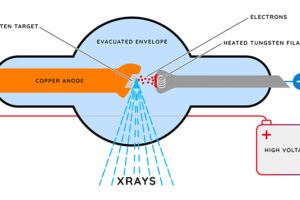
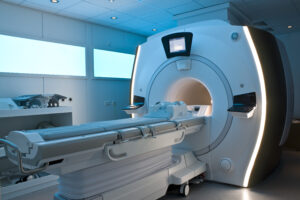
Crucial for comprehending how electromagnetic waves and fields are utilized in modalities like MRI and X-ray imaging. - Thermodynamics:
Offers explanations for thermal contrasts seen in certain imaging techniques, aiding in image interpretation. - Quantum Mechanics:
Essential for grasping photon interactions and nuclear medicine applications, where particle behavior at the atomic level influences imaging outcomes.
How Physics Enhances Radiological Practice
Radiologists must make rapid, precise decisions based on image analysis. A deep understanding of physics empowers them to critically evaluate images by recognizing how radiation interacts with tissues, influencing factors such as image contrast, radiation dose, and overall image quality. This knowledge is vital for optimizing diagnostic accuracy and ensuring patient safety.
Physics and Patient Safety in Radiology
Radiologists play a key role in managing patient exposure to radiation. By applying principles of physics, they can determine appropriate radiation doses, implement effective shielding, and minimize risks associated with ionizing radiation. This expertise helps create a safer environment for patients undergoing diagnostic procedures and allows radiologists to communicate safety measures clearly.
Practical Applications: Understanding CT Imaging
Computed tomography (CT) exemplifies the critical role of physics in radiology. Radiologists use their knowledge of how X-ray beams interact with tissues of varying density and atomic composition to interpret scans accurately. Concepts such as beam hardening and scatter radiation inform adjustments to imaging protocols, enhancing image clarity while reducing unnecessary radiation exposure.
Adapting to Technological Advances Through Physics
As medical imaging technology evolves, new techniques emerge that often involve complex physical principles. For instance, functional MRI and hybrid imaging systems require radiologists to understand both the technical and physical foundations to utilize these tools effectively. A solid physics background enables radiologists to stay current with innovations and integrate them into clinical practice.
Educational Importance of Physics in Radiology Training
Radiology residency programs typically include comprehensive physics education, reflecting its critical role in the field. This multidisciplinary training equips radiologists with the scientific knowledge necessary to complement their clinical skills, fostering professionals capable of bridging theory and practice to improve patient outcomes.
Physics in Radiation Oncology and Treatment Planning
Beyond diagnostic imaging, physics is integral to radiation oncology, where precise physical measurements guide treatment planning and delivery. Radiologists working in this area must understand dosimetry, radiation delivery systems, and the biological effects of radiation, all grounded in physical science. This highlights the broad applicability of physics across radiological subspecialties.
Why Physics is Essential for Radiologists
The integration of physics into radiology is indispensable for ensuring diagnostic precision, patient safety, and the effective use of emerging technologies. As medical imaging continues to advance, radiologists with a strong foundation in physics will be better equipped to lead innovations and provide high-quality patient care. Mastery of physical principles remains a cornerstone of radiological expertise and professional development.
FAQ
Why is physics important for radiologists?
Physics is crucial for radiologists as it helps them understand how imaging technologies work, ensures patient safety, and allows for accurate interpretation of images.
What areas of physics are relevant to radiology?
Key areas include classical mechanics, electromagnetism, thermodynamics, and quantum mechanics, each contributing to the understanding of imaging modalities.
How does physics enhance patient safety in radiology?
By applying physics principles, radiologists can determine appropriate radiation doses and implement effective shielding to minimize risks associated with ionizing radiation.



Leave a Reply