
Short Answer
Definition of the Oxford Astrophysics Degree
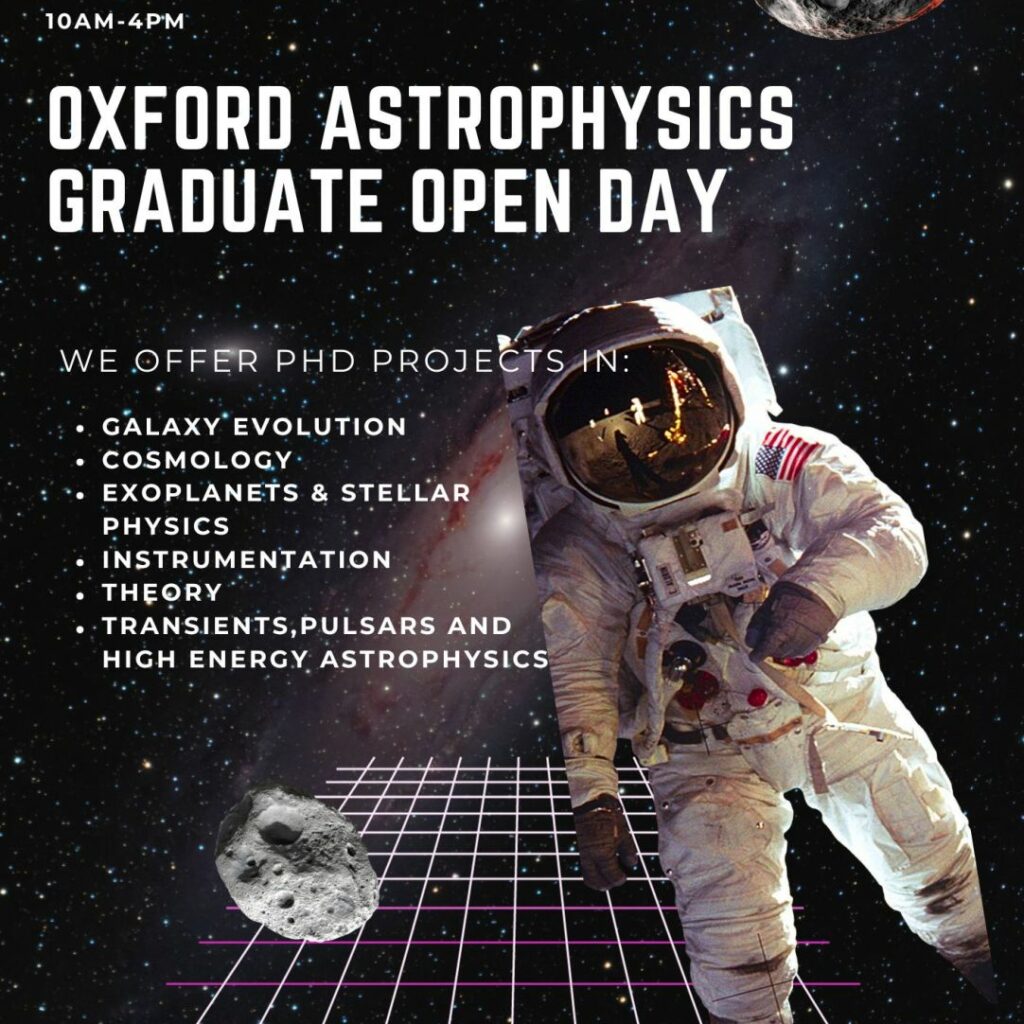
The Oxford Astrophysics degree represents a distinguished academic program dedicated to the comprehensive study of the universe. It combines rigorous scientific inquiry with a profound exploration of cosmic phenomena, inviting students to engage deeply with the mysteries of space and time. This degree is not simply an educational pathway but a transformative journey that integrates physics, mathematics, and observational astronomy to decode the complexities of the cosmos.
Curriculum Structure and Academic Focus
The program is carefully designed to guide students from fundamental principles to advanced astrophysical concepts. Initial coursework establishes a solid foundation in classical physics and mathematics, which then evolves into specialized subjects such as stellar dynamics, cosmology, high-energy astrophysics, and the physics governing black holes. This progressive structure ensures that graduates develop both a broad understanding and detailed expertise, preparing them to tackle contemporary challenges in astrophysics.
Core Components
- Foundational Physics:
Introduction to classical mechanics, electromagnetism, and quantum theory. - Advanced Topics:
Exploration of stellar evolution, cosmological models, and relativistic phenomena. - Mathematical Methods:
Application of differential equations, linear algebra, and statistical analysis in astrophysical contexts.
Teaching Methods and Learning Environment
Students experience a blend of instructional approaches designed to foster deep understanding and critical thinking. Traditional lectures provide theoretical frameworks, while small-group tutorials offer personalized mentorship and intellectual challenge. These sessions encourage rigorous discussion of complex topics such as general relativity and spectroscopic techniques. Additionally, hands-on training with state-of-the-art telescopes and data analysis tools bridges theory with empirical research.
Practical Engagement
- Observational Astronomy:
Use of ground-based and space telescopes to collect and interpret astronomical data. - Computational Techniques:
Implementation of numerical simulations and machine learning algorithms to model astrophysical phenomena.
Interdisciplinary Integration
The Oxford Astrophysics degree embraces a multidisciplinary approach, reflecting the interconnected nature of modern scientific inquiry. Coursework and research often intersect with particle physics, computer science, and philosophy, highlighting the necessity of crossing traditional academic boundaries to fully comprehend cosmic phenomena. This integration equips students with versatile skills applicable to diverse scientific and technological fields.
Research Opportunities and Academic Resources
Students benefit from Oxford’s rich academic heritage and access to world-class research facilities. Engagement with leading scholars and participation in cutting-edge projects-ranging from investigations of the cosmic microwave background to gravitational wave detection-offer invaluable experiential learning. These opportunities place students at the forefront of astrophysical discovery and innovation.
Academic Culture and Intellectual Development
The university fosters an environment that balances intellectual rigor with supportive mentorship. A culture of continuous inquiry encourages students to question established theories and develop original hypotheses. This critical mindset is cultivated throughout the degree, preparing graduates for diverse career paths beyond academia, including data science, finance, and aerospace industries.
Motivations Behind Pursuing the Degree
The pursuit of an Oxford Astrophysics degree is driven by a fundamental human desire to understand the universe. Beyond vocational aims, it satisfies a deep-seated curiosity about the cosmos, blending scientific precision with philosophical reflection. Students learn to articulate the universe’s complexities through mathematical language while nurturing a sense of wonder that inspires ongoing creativity and discovery.
Significance and Impact
This degree holds profound importance in advancing scientific knowledge and fostering a broader appreciation of our place in the universe. It cultivates resilience and a lifelong commitment to exploration, producing graduates who serve as ambassadors for science’s power to illuminate the unknown and inspire collective contemplation of cosmic mysteries.
Conclusion: A Transformative Educational Experience
The Oxford Astrophysics degree offers an unparalleled intellectual expedition through the cosmos, blending tradition with innovation. It equips students with critical analytical skills and imaginative insight, enabling them to contribute meaningfully to humanity’s ongoing quest to unravel the universe’s deepest secrets. Far beyond an academic qualification, it is a life-changing experience that instills enduring reverence for the enigmatic beauty of the night sky.
FAQ
What is the Oxford Astrophysics degree?
The Oxford Astrophysics degree is a comprehensive academic program that combines physics, mathematics, and observational astronomy to study the universe.
What are the core components of the curriculum?
The curriculum includes foundational physics, advanced topics like stellar evolution and cosmology, and mathematical methods relevant to astrophysics.
What practical experiences does the program offer?
Students engage in observational astronomy and computational techniques, including using telescopes and numerical simulations.
How does the degree integrate interdisciplinary studies?
The program intersects with fields like particle physics, computer science, and philosophy, promoting a multidisciplinary approach.
What career paths can graduates pursue?
Graduates can pursue careers in data science, finance, aerospace, and various scientific research fields.



Leave a Reply