
Short Answer
Definition of DNA Pyramids
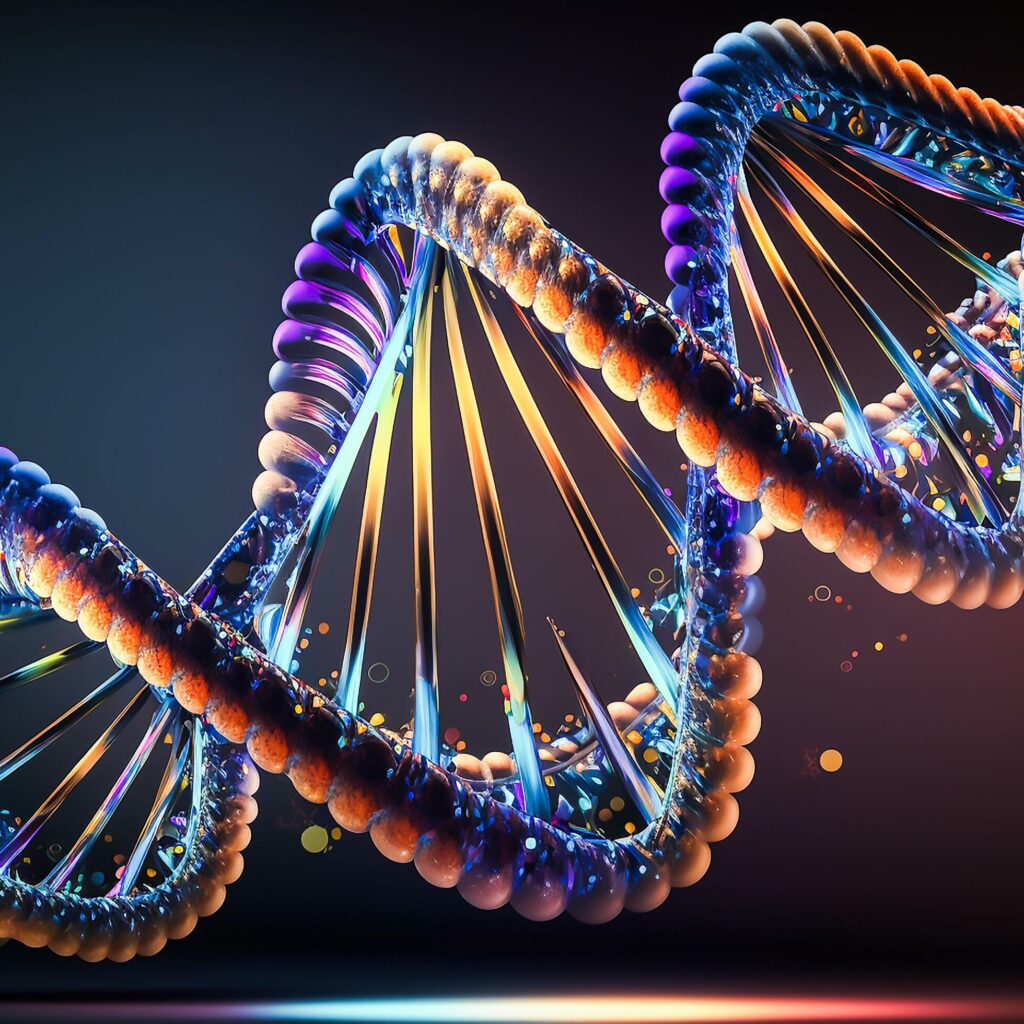
DNA pyramids represent a groundbreaking class of nanoscale structures formed by the self-assembly of DNA molecules into three-dimensional geometric shapes resembling pyramids. This innovative field merges principles from nanotechnology and structural biology, utilizing the inherent programmability and molecular recognition properties of DNA to create precise, customizable nano-architectures. Beyond their biological role as carriers of genetic information, DNA molecules are engineered to serve as building blocks for complex nanosystems with diverse applications.
Fundamental Principles Behind DNA Pyramid Formation
The construction of DNA pyramids is fundamentally based on the self-assembly mechanism of DNA strands. DNA’s double helix is composed of nucleotide bases that pair specifically-adenine with thymine, and cytosine with guanine-allowing for predictable and programmable interactions. By designing complementary sequences, scientists can direct DNA strands to spontaneously organize into predetermined shapes, such as pyramidal frameworks, with high precision and efficiency. This process mimics natural biological assembly, where molecular components autonomously form intricate structures essential for life.
Historical Development and Technological Advances
The conceptual foundation for DNA-based nanostructures was laid by Nadrian Seeman, who first proposed using DNA as a scaffold for nanoscale construction. Building on this pioneering work, the field has evolved to include sophisticated techniques like DNA origami, which folds long single strands of DNA into complex two- and three-dimensional shapes. DNA pyramids represent an advanced iteration of these methods, incorporating spatial design to achieve stable, three-dimensional nano-objects capable of encapsulating molecules or serving as platforms for catalytic reactions.
Structural and Functional Versatility
One of the most significant advantages of DNA pyramids is their adaptability. The programmable nature of DNA allows for the integration of various functional elements, such as peptides, proteins, and small molecules, enabling the creation of highly specialized nanostructures. This versatility opens pathways for numerous applications:
- Targeted Drug Delivery:
DNA pyramids can be engineered to transport therapeutic agents directly to specific cells or tissues, enhancing treatment efficacy while minimizing side effects. - Advanced Biosensing:
Incorporation of molecular recognition elements enables DNA pyramids to function as sensitive and selective biosensors for detecting biomolecules or environmental analytes. - Molecular Electronics:
Their geometric complexity allows DNA pyramids to act as components in molecular logic gates or switches, bridging biological molecules with electronic devices.
Applications in Medicine and Technology
DNA pyramids have transformative potential across multiple fields. In medicine, they offer a platform for precision therapies and diagnostics, facilitating personalized treatment strategies. In electronics, their ability to interface with biological systems paves the way for bio-hybrid devices, including neuroengineering tools and synthetic biological circuits. These applications highlight the convergence of biology and technology, fostering innovations that were once purely theoretical.
Challenges in DNA Pyramid Fabrication
Despite their promise, several obstacles remain in the reliable production of DNA pyramids:
- Assembly Precision:
Variability during self-assembly can result in heterogeneous populations of structures, reducing functional consistency. - Structural Stability:
Maintaining the integrity of DNA pyramids under physiological or operational conditions is critical for their practical use. - Scalability:
Current synthesis methods are limited to small-scale production, necessitating advances in biomanufacturing to enable mass fabrication without compromising quality.
Emerging techniques in high-resolution microscopy and crystallography are instrumental in understanding and optimizing these assembly processes, thereby improving yield and fidelity.
Ethical and Environmental Considerations
The manipulation of DNA for nanotechnological applications raises important ethical questions. Concerns include biosecurity risks, potential environmental impacts, and the possibility of misuse. It is essential to develop robust regulatory frameworks and responsible innovation practices to ensure that the deployment of DNA pyramids benefits society while minimizing adverse effects.
Scientific and Technological Significance
DNA pyramids exemplify a paradigm shift in how biological molecules can be repurposed for technological innovation. They deepen our understanding of molecular self-assembly and nano-architecture, bridging the gap between living systems and engineered devices. This fusion of disciplines not only advances nanotechnology but also enriches our appreciation of the fundamental principles governing life and materials science.
Summary and Future Outlook
The advent of DNA pyramids marks a milestone in the evolution of nano-architectural design, showcasing the synergy of creativity, scientific inquiry, and engineering. By exploiting DNA’s self-assembling capabilities, researchers have unlocked new possibilities for constructing intricate, functional nanoscale systems. As the field progresses, overcoming challenges related to assembly precision, scalability, and ethical governance will be crucial. The continued exploration of DNA pyramids promises to reshape the landscape of nanotechnology, medicine, data storage, and beyond, inviting us to rethink the boundaries between biology and material science.
FAQ
What are DNA pyramids?
DNA pyramids are nanoscale structures created through the self-assembly of DNA molecules into pyramid-like shapes, utilized in nanotechnology and structural biology.
What are the applications of DNA pyramids?
DNA pyramids have applications in targeted drug delivery, advanced biosensing, and molecular electronics.
What challenges do DNA pyramids face in fabrication?
Challenges include assembly precision, structural stability, and scalability of production methods.




Leave a Reply