
Short Answer
Understanding Female-Friendly Lab Culture in Physics
Creating an inclusive environment within physics laboratories is essential for fostering the participation and success of female physicists. This concept goes beyond scientific principles and applications, focusing on transforming the culture and environment where research occurs. A female-friendly lab culture is one that actively supports, encourages, and nurtures women’s ambitions in physics, ensuring they have equal opportunities to thrive.
Historical Context and Challenges Faced by Women in Physics
Women in physics have historically encountered numerous systemic challenges that have hindered their full participation. Despite significant achievements, female physicists often face implicit biases, limited mentorship, and structural barriers within academic and research settings. These obstacles have contributed to underrepresentation and a lack of support networks, making it crucial to adopt deliberate strategies to overcome these issues.
Strategies for Cultivating an Inclusive Lab Environment
Reforming Recruitment and Admissions Practices
Traditional recruitment methods in academia often emphasize conventional metrics of merit, which can unintentionally exclude women and other underrepresented groups. To promote diversity, it is important to revise hiring and admissions criteria to value a broad range of experiences and skills rather than solely quantitative achievements. Implementing blind recruitment processes can also reduce unconscious biases, leading to a more balanced representation of women in research teams and laboratories.
Establishing Effective Mentorship Programs
Mentorship plays a pivotal role in supporting early-career female physicists by providing guidance, professional development, and a sense of community. Formal mentorship initiatives that connect junior women with experienced female physicists facilitate knowledge sharing and help navigate the complexities of academic careers. These relationships also open doors to networking opportunities that might otherwise be inaccessible.
Enhancing Cultural Competency and Inclusivity
Promoting cultural awareness within labs is vital for creating a welcoming atmosphere. Diversity training for all members can increase understanding of the importance of inclusivity and the unique perspectives women bring to physics. Encouraging open discussions about the historical exclusion of women fosters collective responsibility and motivates active participation in cultural change.
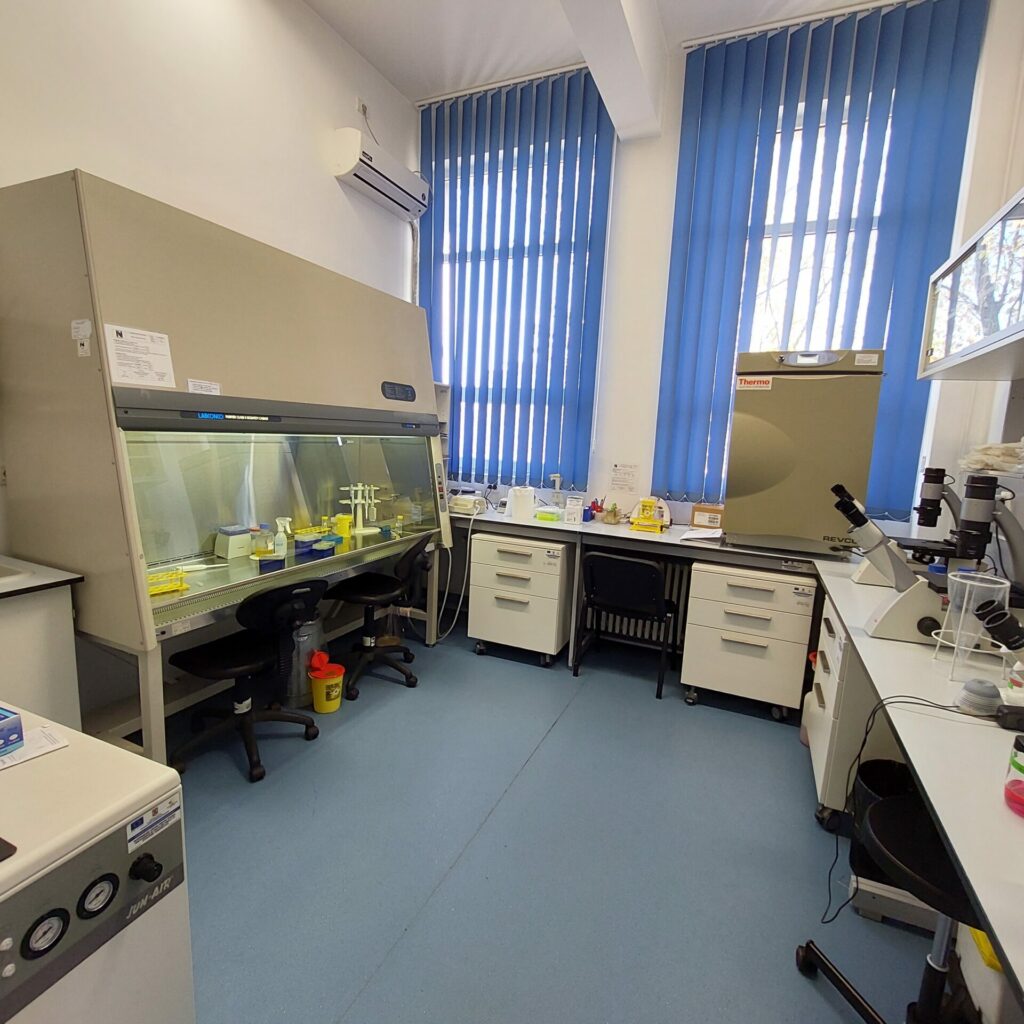
Designing Inclusive Physical Lab Spaces
Laboratory environments are often designed with a predominantly male demographic in mind, which can unintentionally alienate female researchers. Redesigning lab layouts to include communal areas that encourage interaction, as well as private spaces for focused work, helps create a more inclusive setting. Ergonomic considerations, such as the accessibility of equipment and resources, are also critical to ensuring comfort and efficiency for all scientists.
Promoting Inclusive Research Leadership and Decision-Making
Empowering female physicists to take leading roles in setting research agendas is essential for fostering innovation and representation. When women actively contribute to defining research questions and methodologies, the resulting projects benefit from diverse insights. Inclusive decision-making processes enhance collective ownership and accountability within research teams.
Building Supportive Networks and Communities
Informal and formal networks provide crucial support systems for women in physics. Social events, workshops, and conferences offer opportunities to share experiences and resources. Establishing women-in-physics organizations can strengthen these connections by celebrating achievements, addressing challenges, and advocating for female scientists, thereby reducing feelings of isolation in male-dominated environments.
Supporting Work-Life Balance
Balancing professional and personal responsibilities is a significant concern for many women in physics. Laboratories should implement flexible work policies, such as remote work options, adjustable hours, and sabbaticals, to accommodate diverse life circumstances. Recognizing and respecting these needs enhances job satisfaction and helps retain talented female researchers.
Increasing Visibility Through Public Engagement
Female physicists can amplify their impact by sharing their research beyond academic circles. Participating in community outreach and educational programs raises public awareness of physics and serves as inspiration for future generations of women scientists. This visibility is crucial for challenging stereotypes and promoting diversity in the field.
Why Fostering Female-Friendly Lab Cultures is Crucial
Developing an inclusive lab culture is not only a matter of equity but also vital for the advancement of physics. Diverse perspectives drive innovation and enrich scientific inquiry. By dismantling barriers and creating supportive environments, institutions enable women to contribute fully, ensuring that the future of physics reflects the diversity of society and benefits from the talents of all its members.
FAQ
What constitutes a female-friendly lab culture?
A female-friendly lab culture actively supports, encourages, and nurtures women's ambitions in physics, ensuring equal opportunities for all.





Leave a Reply