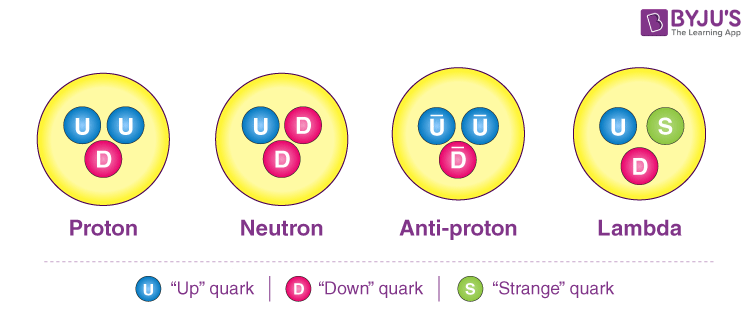
Are matters made up of atomic particles? Is this true or false?

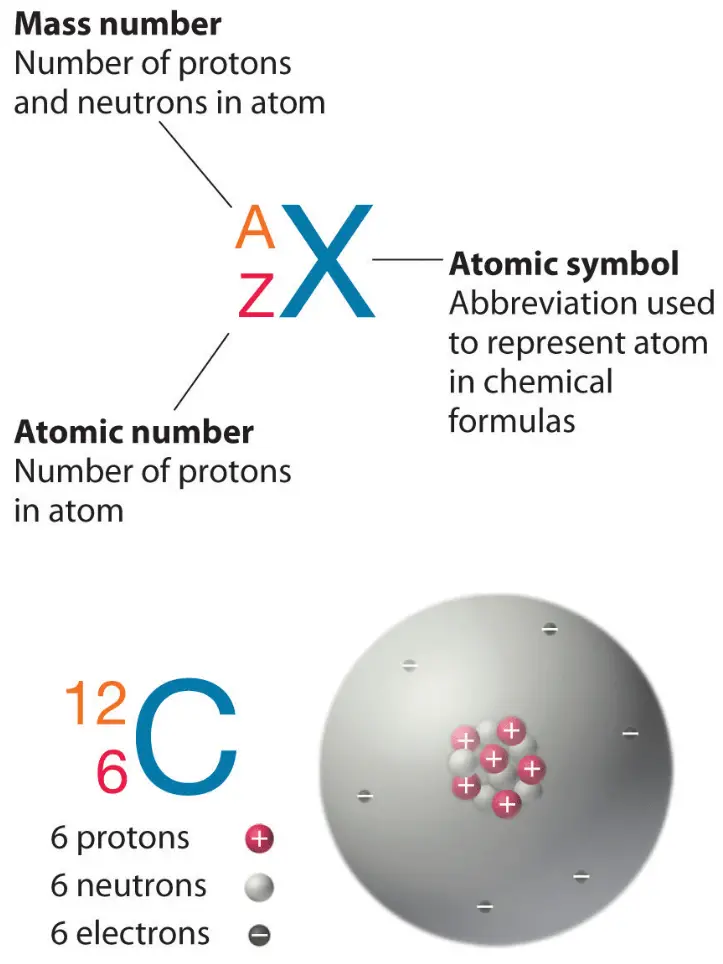
Definition of Atomic Matter The concept that all matter consists of atomic particles is a foundational principle in modern science, particularly in physics and chemistry. Atoms are traditionally understood as the smallest units of matter that retain the properties of an element. However, this idea extends beyond simple indivisibility, encompassing a complex structure of subatomic […]

Read More →

How can neutrino research be used to better humanity?

Definition of Neutrinos Neutrinos are fundamental subatomic particles distinguished by their extremely weak interaction with matter, occurring solely via the weak nuclear force. Despite being the most plentiful particles in the cosmos, their elusive nature makes them exceptionally challenging to detect. These nearly massless, electrically neutral particles permeate the universe, passing through ordinary matter almost […]

Read More →

What is meant by a subatomic particle?

Definition of Subatomic Particles Subatomic particles are the minute constituents that form matter, existing at scales significantly smaller than atoms. These particles are the foundational elements studied in particle physics, revealing the intricate forces and interactions that shape the universe. They include a variety of entities, each with distinct properties and roles in the composition […]

Read More →

Is nuclear physics similar to chemistry?

Understanding Nuclear Physics and Chemistry The boundary between nuclear physics and chemistry often appears as indistinct as the subatomic particles they investigate. Both fields explore the microscopic realm, akin to examining different facets of a complex gem. To truly grasp their distinctions and connections, it is essential to analyze their core principles, investigative techniques, and […]

Read More →

Is nuclear a physics subject or chemistry?

Understanding Nuclear Science: An Interdisciplinary Perspective The distinction between physics and chemistry often becomes blurred when examining nuclear science, posing a significant epistemological challenge. Determining whether nuclear energy and its related phenomena belong primarily to physics or chemistry transcends theoretical debate; it reflects the interconnected nature of scientific disciplines. This article aims to clarify the […]

Read More →

How would you explain a neutrino to a 10 year old?

Definition of Neutrinos Neutrinos are fundamental subatomic particles that permeate the universe, passing through matter almost undetected. They are among the most basic building blocks of nature, belonging to the family of particles known as leptons. Despite their minuscule size and elusive nature, neutrinos play a crucial role in the cosmic landscape, carrying information from […]

Read More →

What’s the best way to teach myself nuclear physics?

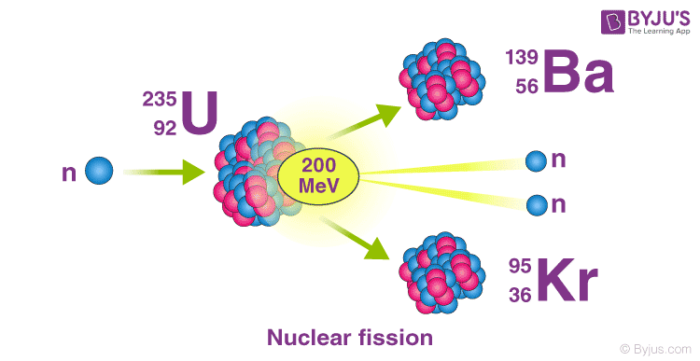
Understanding Nuclear Physics Nuclear physics is a branch of science that explores the components and behavior of atomic nuclei. It investigates the forces and interactions that govern the particles within the nucleus, such as protons and neutrons, and examines phenomena like radioactive decay, nuclear fission, and fusion. This field bridges the microscopic world of subatomic […]

Read More →