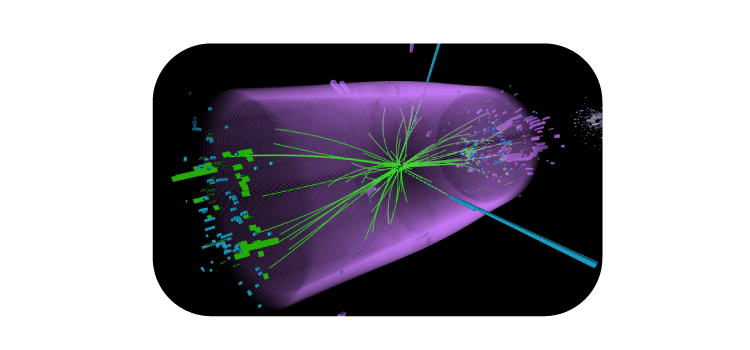
What exactly does a particle physicist do?

Understanding Particle Physics Particle physics is a fundamental branch of science dedicated to exploring the smallest building blocks of matter and the forces that govern their interactions. This field delves into the subatomic realm, investigating particles such as quarks, leptons, and bosons, which collectively form the foundation of the universe. By studying these elementary particles, […]

Read More →

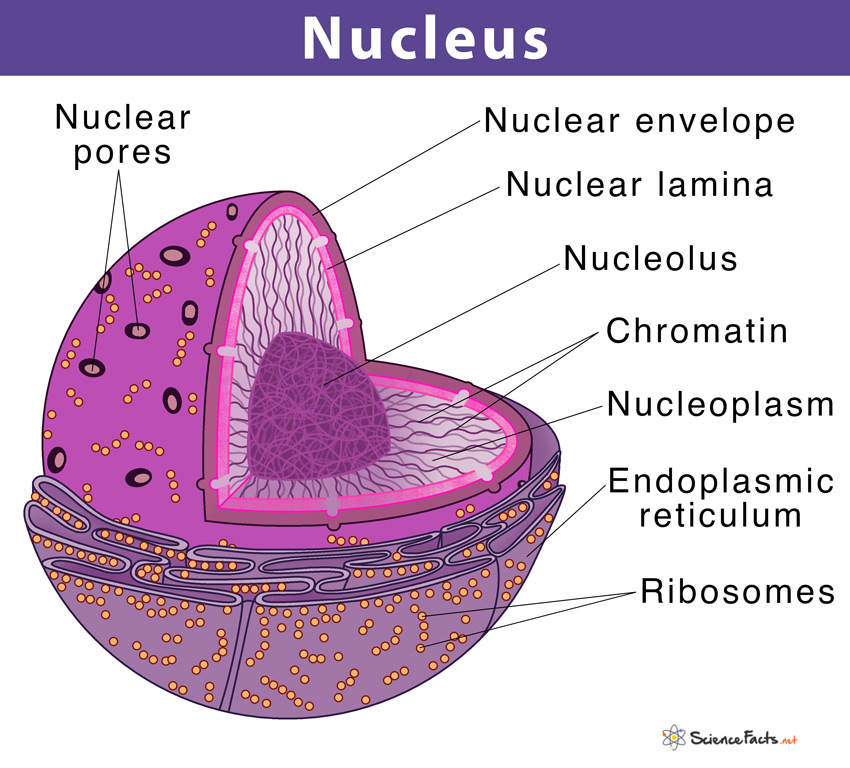
How do nuclear reactions work?

Definition of Nuclear Reactions Nuclear reactions are fundamental processes involving changes within atomic nuclei, resulting in the transformation of matter at its most basic level. These reactions entail the rearrangement of protons and neutrons inside the nucleus, often accompanied by the release or absorption of substantial energy. Such processes are pivotal in both natural phenomena […]

Read More →

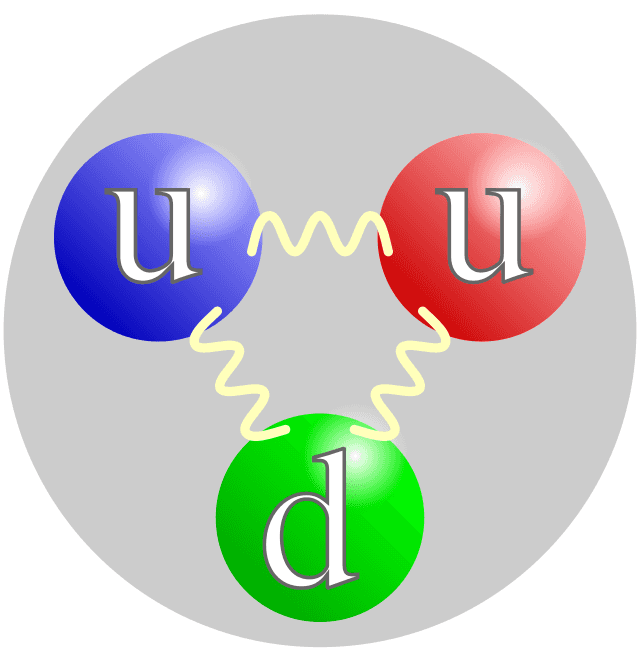
What is a hedron lepton and quark?

Definition of Quarks and Leptons In particle physics, quarks and leptons represent two fundamental classes of elementary particles that constitute the fabric of matter. Quarks are particles characterized by properties such as color charge, which enables them to participate in the strong nuclear force-the interaction responsible for holding protons and neutrons together within atomic nuclei. […]

Read More →

Rutherford: The Man Who Split the Atom (Without a Bomb)

Definition of Atomic Splitting and Ernest Rutherford’s Role The concept of splitting the atom often evokes images of catastrophic explosions and mushroom clouds. However, the true essence of this scientific breakthrough lies in intellectual discovery and the deepening of our understanding of matter. Central to this transformation is Ernest Rutherford, widely regarded as the “father […]

Read More →

Which Particles Race Inside a Cyclotron? Hint: They’re Tiny but Mighty

Overview of the Cyclotron and Its Role in Particle Physics The cyclotron stands as a pivotal instrument in particle physics, renowned for its capability to accelerate charged particles to extremely high speeds. These particles, though minuscule in size, possess immense energy and play crucial roles in advancing our comprehension of the subatomic world. This article […]

Read More →

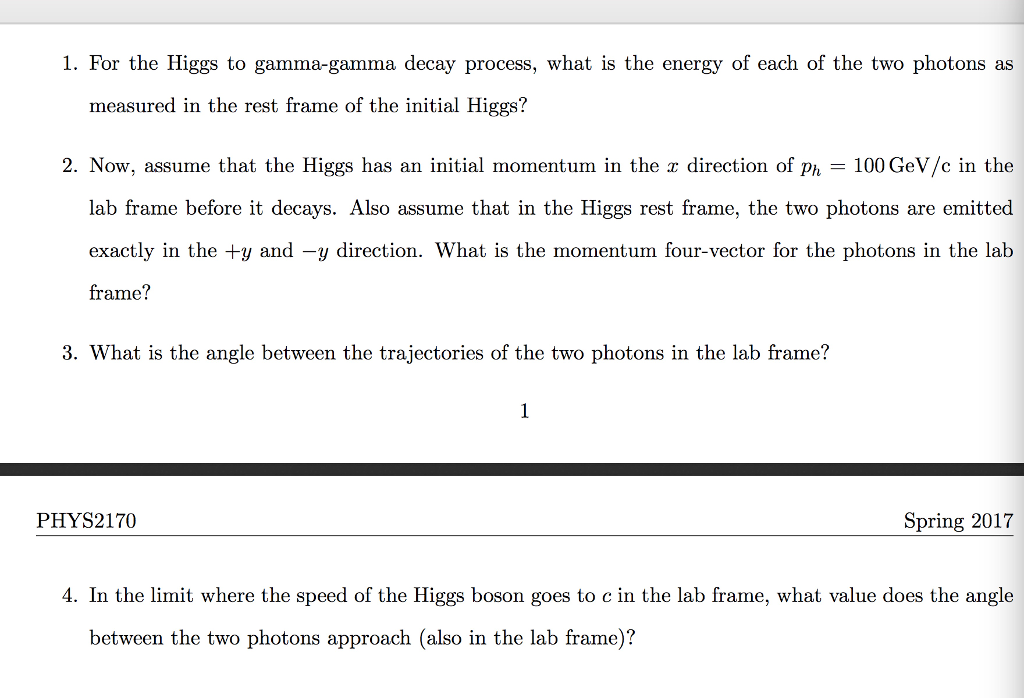
What is the Higgs boson

Definition of the Higgs Boson The Higgs boson is a fundamental particle in particle physics, initially hypothesized as part of a theoretical framework and later confirmed through experimental discovery. It is intrinsically linked to the Higgs field, a pervasive quantum field that imparts mass to other elementary particles. Without the Higgs boson and its associated […]

Read More →

What is the smallest size for a functional particle accelerator?

Definition of Particle Accelerators Particle accelerators are sophisticated devices fundamental to contemporary physics, designed to propel charged particles-such as electrons, protons, or ions-to extremely high velocities. These instruments enable scientists to investigate the basic building blocks of matter by facilitating high-energy collisions and interactions. The question of how compact a particle accelerator can be while […]

Read More →