Does China have long range nuclear weapons?

Definition of Long-Range Nuclear Weapons Long-range nuclear weapons are strategic armaments designed to deliver nuclear warheads across vast distances, enabling a nation to exert influence far beyond its immediate borders. These weapons typically include Intercontinental Ballistic Missiles (ICBMs), which can travel over 5,500 kilometers, allowing for strikes on targets located on different continents. The possession […]

Read More →

Do cosmic rays have any effect on us?

Definition of Cosmic Rays Cosmic rays are highly energetic particles originating from outer space, primarily generated by astrophysical events such as supernova explosions and other exotic cosmic phenomena. These charged particles travel through the vacuum of space and penetrate Earth’s atmosphere, where they interact with atmospheric components and terrestrial matter. Their study reveals significant insights […]

Read More →

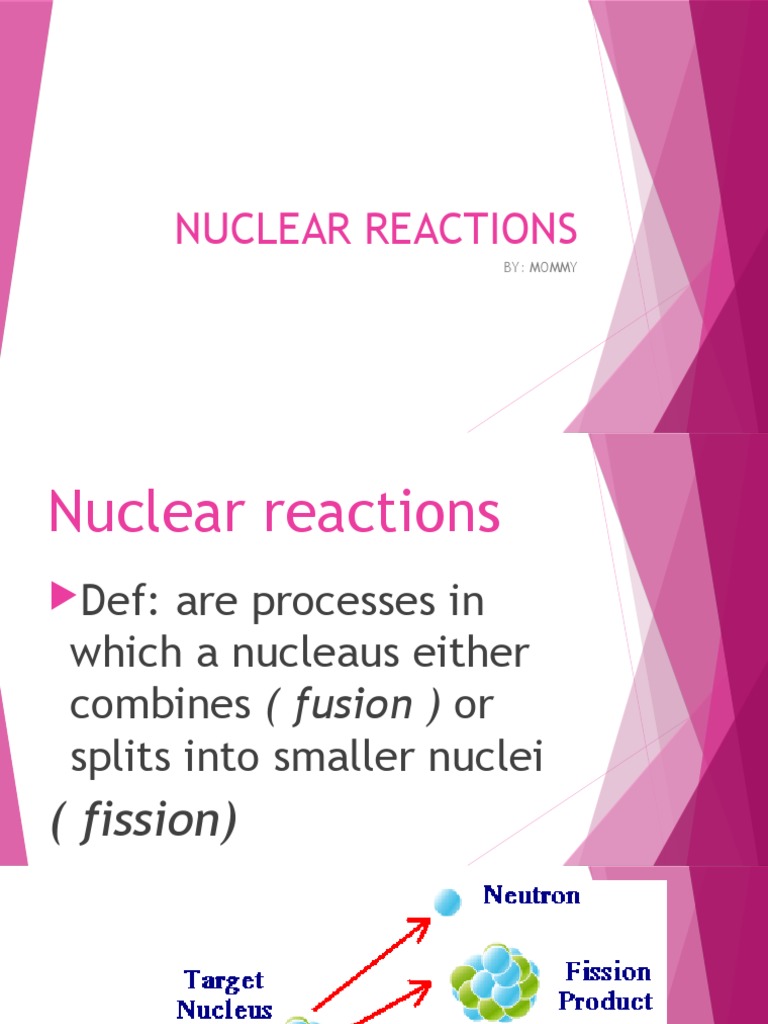
How powerful are modern nuclear weapons?

Definition of Nuclear Weapons Nuclear weapons are explosive devices that derive their immense destructive power from nuclear reactions, either fission or fusion. These weapons have evolved into highly sophisticated tools capable of causing unprecedented devastation, influencing global security, politics, and human survival. Nuclear Fission: The process of splitting heavy atomic nuclei such as uranium-235 or […]

Read More →

What does the Large Hadron Collider do? What is it used for?

Overview of the Large Hadron Collider The Large Hadron Collider (LHC) represents a pinnacle of achievement in contemporary physics, functioning as a vast and intricate instrument designed to explore the fundamental fabric of the universe. Situated beneath the border between France and Switzerland, this particle accelerator facilitates high-energy collisions that reveal critical insights into the […]

Read More →

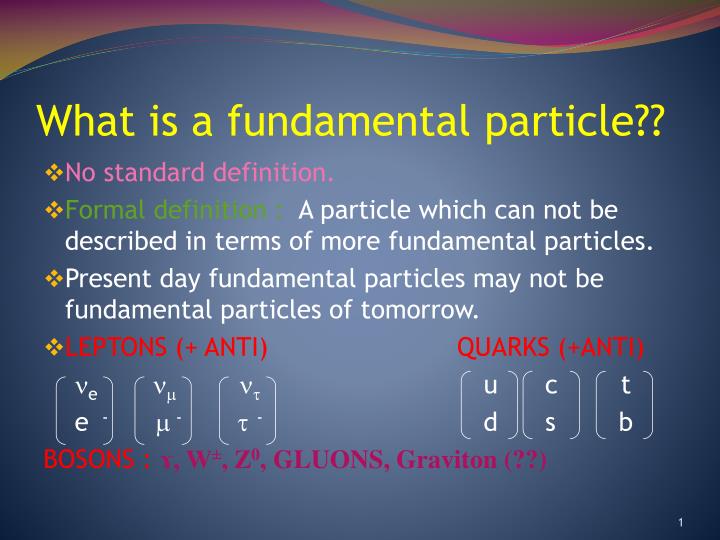
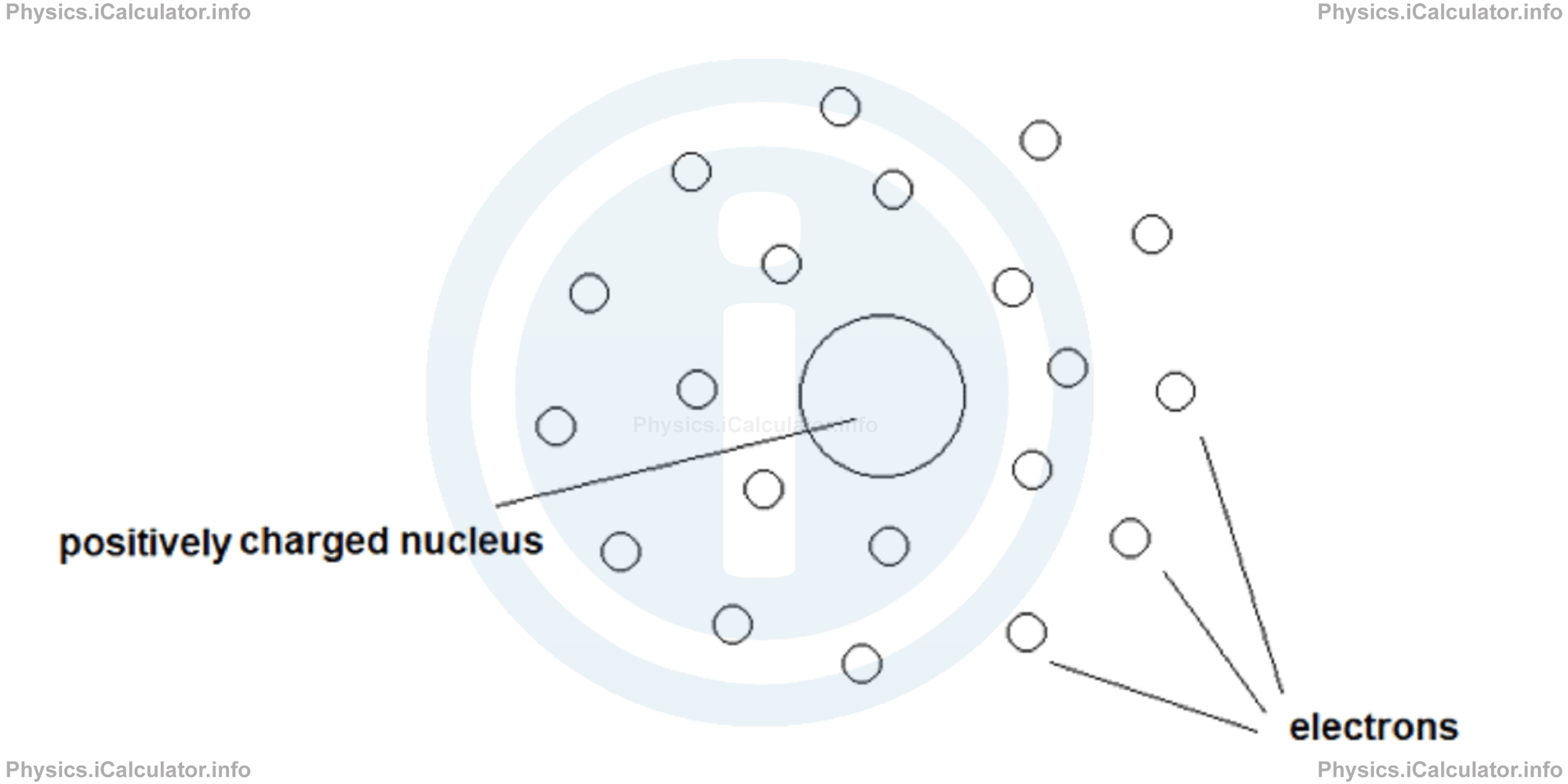
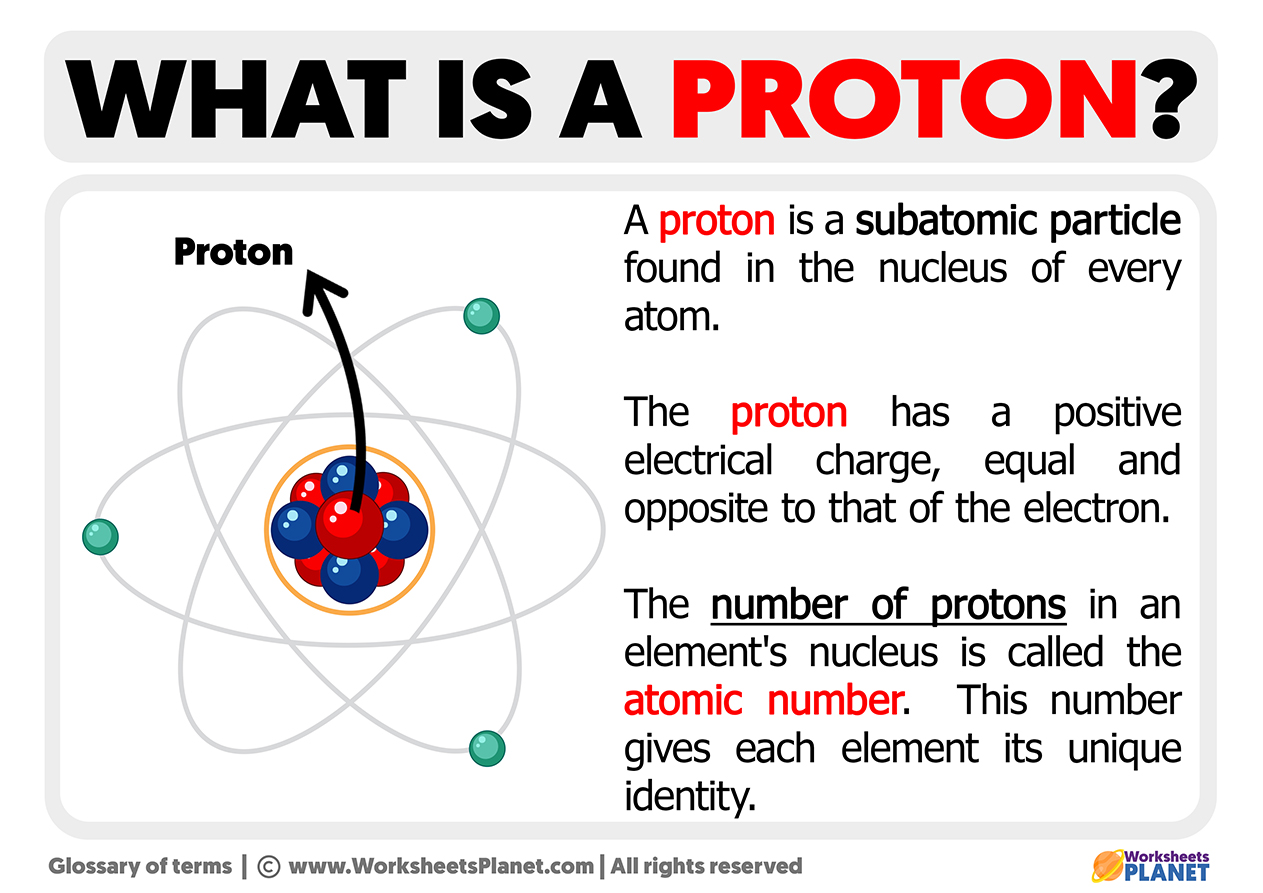
What are particles made of?

Definition of Particles and Their Composition Particles are the fundamental units that constitute all matter in the universe. Understanding what particles are made of involves exploring the intricate layers of atomic and subatomic structures, as well as the forces that govern their interactions. At the most basic level, particles include atoms, which themselves are composed […]

Read More →

Is binding energy the strong nuclear force?

Definition of Binding Energy and Strong Nuclear Force In the field of subatomic physics, understanding the forces that govern particle interactions is essential. Two critical concepts in this domain are binding energy and the strong nuclear force, both of which play vital roles in atomic and nuclear structures. Binding Energy: This refers to the energy […]

Read More →

Is Radiation a Particle or a Wave? Yes.

Definition of Radiation Radiation broadly refers to the process by which energy is emitted and transmitted through space or a medium. This energy can take multiple forms, including electromagnetic waves and particles. The electromagnetic spectrum encompasses a wide range of radiation types, from low-frequency radio waves to high-frequency gamma rays. Central to understanding radiation is […]

Read More →

What is the scope of a degree in Nuclear Physics?

Definition of Nuclear Physics Nuclear Physics is a specialized branch of physics dedicated to studying the components and interactions within atomic nuclei. This field delves into the fundamental particles that constitute the nucleus, such as protons and neutrons, and explores the forces that govern their behavior. It bridges theoretical frameworks with practical applications, making it […]

Read More →