The World’s First Room Temperature Maser

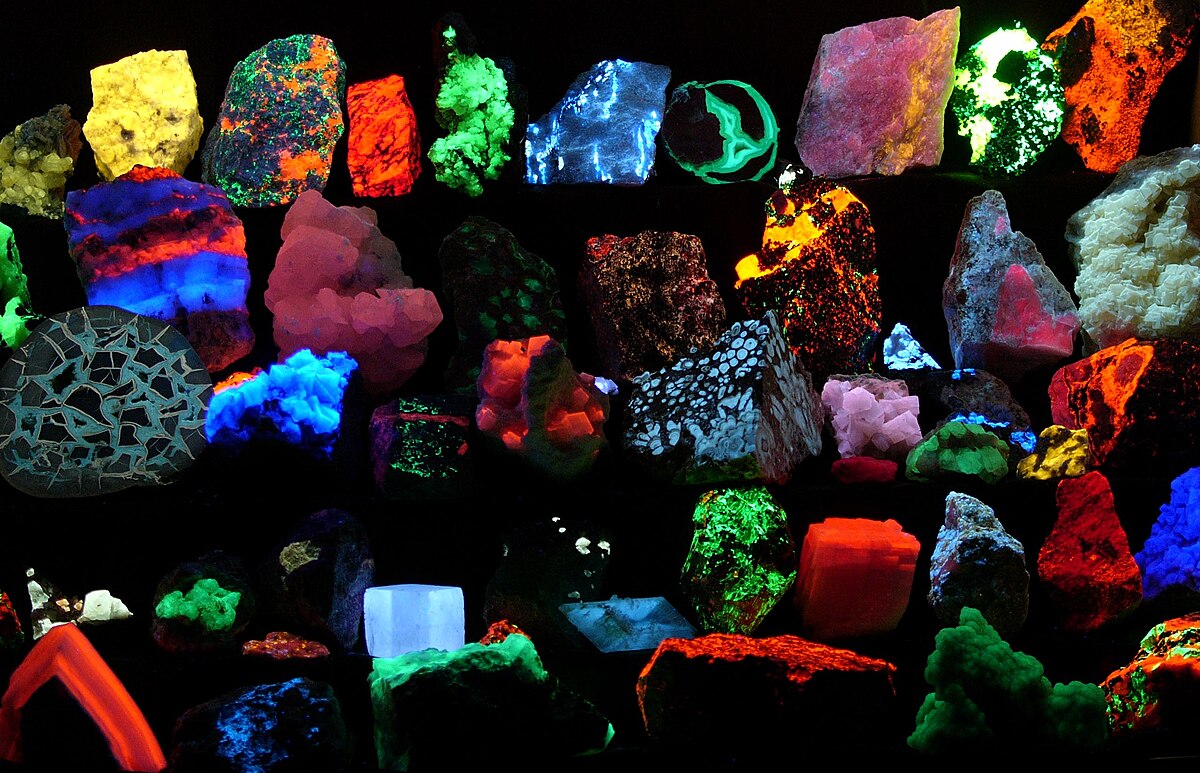
Definition of a Room Temperature Maser A maser, an acronym for Microwave Amplification by Stimulated Emission of Radiation, is a device that amplifies electromagnetic waves in the microwave frequency range through stimulated emission. Unlike lasers, which emit coherent light in the optical spectrum, masers operate specifically within the microwave domain. The room temperature maser is […]

Read More →

A Perfect Absorber of Light? Graphene Says Yes

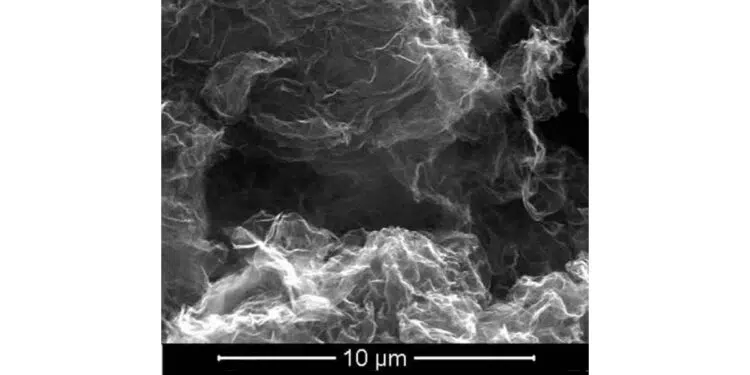
Definition of Graphene as a Light Absorber Graphene is a single-atom-thick layer of carbon atoms arranged in a hexagonal lattice, known for its extraordinary electronic and optical characteristics. When discussing a perfect absorber of light, the term refers to a material capable of capturing all incident electromagnetic radiation across every wavelength without reflecting or transmitting […]

Read More →

The Gadget That Recharges Wirelessly

Definition of Wireless Charging Wireless charging, often referred to as inductive charging, is a technology that enables the transfer of electrical energy between two objects without the need for physical connectors or cables. This process relies on electromagnetic fields to transmit power, allowing devices to recharge their batteries simply by being placed near a charging […]

Read More →

Fluorescent Dyes Are Boosting Metamaterials

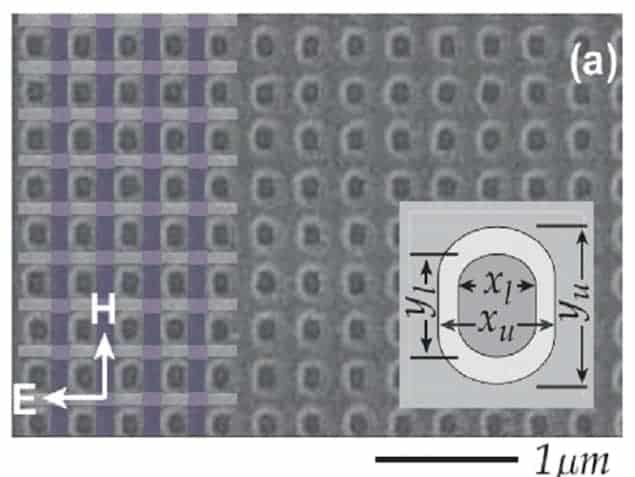
Definition of Fluorescent Dyes and Metamaterials Fluorescent dyes are organic compounds known for their ability to emit bright, visible light upon excitation by specific wavelengths. These luminescent molecules have become integral in the fabrication of metamaterials-engineered substances designed to exhibit electromagnetic properties not found in natural materials. Metamaterials achieve their unique optical behaviors through precisely […]

Read More →

Graphene’s First Steps: A Circuit That Thinks

Definition of Graphene and Its Role in Intelligent Circuits Graphene is a unique allotrope of carbon characterized by a single layer of atoms arranged in a two-dimensional honeycomb lattice. This remarkable material has captured significant attention in materials science and physics due to its extraordinary properties. Beyond its impressive electrical, thermal, and mechanical attributes, graphene […]

Read More →

The Power of Cool: How Graphene Keeps Its Temperature

Understanding Graphene and Its Thermal Properties Graphene is a remarkable material composed of a single atomic layer of carbon atoms arranged in a two-dimensional hexagonal lattice. Its exceptional thermal conductivity has made it a focal point in modern physics and materials science, especially regarding thermal management applications. The unique ability of graphene to regulate temperature […]

Read More →

How Graphene Boosts Thermal Conductivity of Plastics

Definition of Graphene and Its Role in Thermal Conductivity Graphene is a single atomic layer of carbon atoms arranged in a two-dimensional honeycomb lattice, recognized as an extraordinary allotrope of carbon. Celebrated for its exceptional intrinsic properties, graphene stands out as a revolutionary material, particularly due to its outstanding thermal conductivity. When incorporated into composite […]

Read More →

Double Negative Metamaterials Edge Toward the Visible Spectrum

Definition of Double-Negative Metamaterials Double-negative metamaterials (DNMMs) are artificially engineered materials that exhibit simultaneously negative values of permittivity and permeability. This unique combination results in a negative refractive index, a property not found in naturally occurring substances. DNMMs challenge traditional optical principles by enabling unusual electromagnetic behaviors such as reverse wave propagation and imaging beyond […]

Read More →

Graphene Bubbles Could Make Better Lenses

Definition of Graphene and Graphene Bubbles Graphene is a single layer of carbon atoms arranged in a two-dimensional hexagonal lattice, renowned for its exceptional physical and chemical properties. Among its many intriguing features, graphene’s interaction with light has sparked considerable interest, especially in the development of novel optical devices. A particularly fascinating phenomenon within this […]

Read More →