Double Graphene Coats: Slippery Stuff for Smart Surfaces

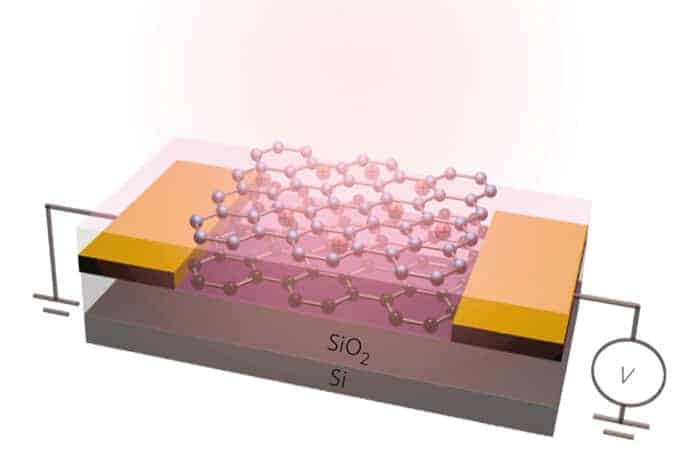
Definition of Double Graphene Coatings Double graphene coatings consist of two layers of graphene applied to a surface, enhancing its physical and chemical properties. Graphene itself is a single-atom-thick sheet of carbon atoms arranged in a hexagonal lattice, renowned for its exceptional strength, electrical conductivity, and thermal performance. When two graphene layers are combined as […]

Read More →

A “Negative Index Material” from Ferromagnets and Superconductors

Definition of Negative Index Materials Negative index materials (NIMs) represent a unique class of engineered metamaterials distinguished by their unconventional refractive properties. Unlike ordinary materials, which have a positive refractive index, NIMs exhibit a refractive index with a negative value. This unusual characteristic leads to optical phenomena that contradict classical optics, such as light bending […]

Read More →

Fused Molecules Guide Magnetic Plasmons

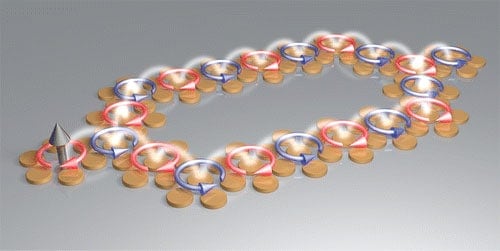
Definition of Magnetic Plasmons and Fused Molecules Magnetic plasmons are collective oscillations of free electrons that incorporate magnetic interactions, extending beyond the traditional surface plasmon phenomena observed at metal-dielectric interfaces. These excitations enable the manipulation of electromagnetic waves at the nanoscale, offering new dimensions in photonic and electronic device engineering. Fused molecules, on the other […]

Read More →

Defects That Shine: Boosting Optical Communication the Flawed Way

Understanding Defects in Optical Communication In the field of optical communication, an intriguing paradox arises: imperfections, typically seen as detrimental, can sometimes improve system performance. This counterintuitive phenomenon invites a deeper investigation into how flaws within optical materials can be purposefully utilized to boost the efficiency and functionality of optical technologies. Exploring this dynamic relationship […]

Read More →

Graphene is Gaining Thermal Vision

Definition of Graphene and Thermal Vision Graphene is a single layer of carbon atoms arranged in a two-dimensional honeycomb lattice, making it one of the thinnest and strongest materials known. Since its discovery in 2004, graphene has fascinated researchers due to its exceptional electrical conductivity, mechanical strength, and thermal properties. Thermal vision, on the other […]

Read More →

Dots for Data: The Future of Storage is Quantum

Definition of Quantum Dot Data Storage Quantum dot data storage refers to the use of nanoscale semiconductor particles, known as quantum dots, to store digital information. These particles, typically ranging from 1 to 10 nanometers in size, exhibit unique quantum mechanical properties that enable new methods of encoding and preserving data. Unlike traditional storage media, […]

Read More →

Metamaterials Are Alive! A Flexible Spring That Leaps to Life

Understanding Metamaterials Metamaterials are artificially crafted materials engineered to exhibit properties not found in naturally occurring substances. Their unique characteristics arise from the deliberate design of their internal structures rather than their chemical composition. This innovative approach allows metamaterials to demonstrate extraordinary behaviors, such as manipulating waves or mechanical forces in unconventional ways. Definition: Engineered […]

Read More →

The Pressure’s On: Geophysicists Go Deeper

Overview of Geophysics Geophysics is a multidisciplinary science dedicated to exploring and understanding the Earth’s internal structure and dynamic processes. This field integrates various investigative techniques to reveal the complexities beneath the planet’s surface. In the context of urgent global challenges such as climate change, resource scarcity, and seismic risks, geophysics plays a crucial role […]

Read More →

Nanotechnology and Medicine: How Geant4 Helps Fight Tumors

Definition of Nanotechnology in Medicine Nanotechnology is an emerging interdisciplinary field focused on manipulating materials at the atomic and molecular levels. In medicine, this technology has revolutionized approaches to diagnosing, treating, and preventing diseases, especially cancer. By engineering particles at the nanoscale, researchers aim to develop innovative solutions that improve therapeutic outcomes and diagnostic precision. […]

Read More →

The Hidden Flaw in Transistor Noise Theory

Understanding Noise in Transistors Noise in transistors, often overlooked in electronic design discussions, plays a crucial role in determining circuit performance. Essentially, noise refers to any unwanted electrical signal that interferes with the intended information transmission within electronic devices. This raises important questions: Could the conventional theories about transistor noise be flawed? Is it time […]

Read More →