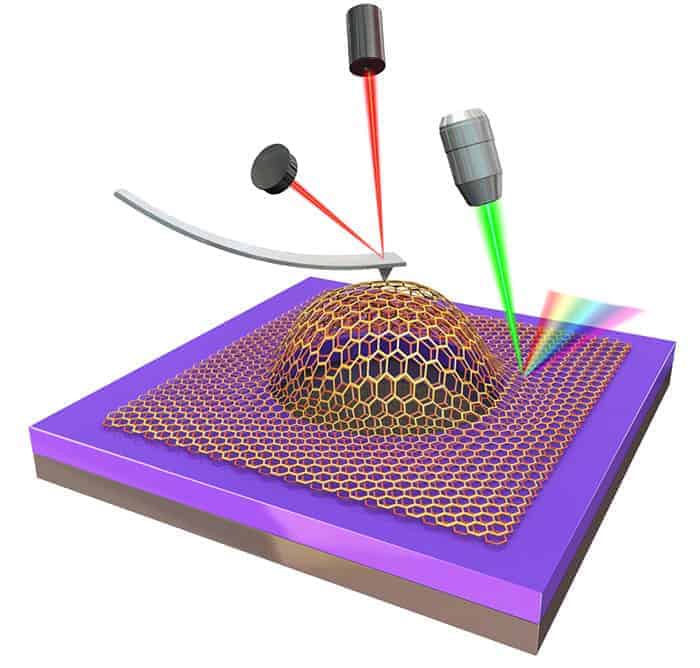
Graphene Bubbles Measure Shear Forces

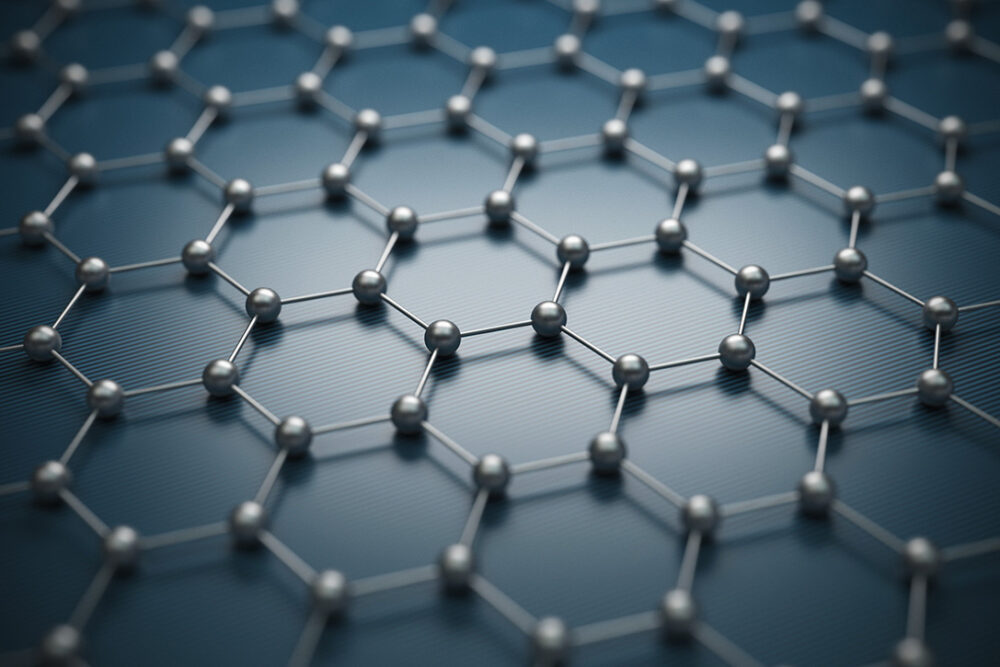
Definition of Graphene and Graphene Bubbles Graphene is a single layer of carbon atoms arranged in a two-dimensional honeycomb lattice. Renowned for its extraordinary electrical and thermal conductivity, it also boasts exceptional mechanical strength and flexibility, surpassing many conventional materials such as steel. A fascinating phenomenon associated with graphene is the formation of “graphene bubbles,” […]

Read More →

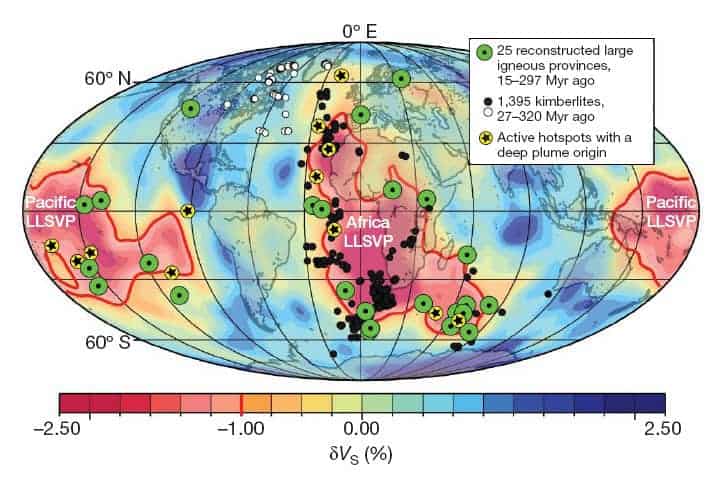
Diamonds Are Forever: Geologists Map Their Location

Definition and Significance of Diamonds Diamonds are renowned worldwide as symbols of luxury, beauty, and enduring value. Often celebrated in popular culture with the phrase “diamonds are forever,” these gemstones embody not only exceptional physical durability but also deep cultural and emotional significance. Beyond their aesthetic appeal, diamonds represent a fascinating geological phenomenon, formed under […]

Read More →

Perfect Imperfections: Defects Team Up for Better Devices

Understanding Defects in Materials Science In the field of materials science and engineering, the traditional pursuit has been the creation of flawless materials and components, often regarded as the ultimate achievement in technology. However, a novel perspective has emerged that challenges this ideal: the intentional use of imperfections, or defects, to enhance material performance and […]

Read More →

Which are some of the applications of graphene?

Definition of Graphene Graphene is a single layer of carbon atoms tightly packed into a two-dimensional honeycomb lattice. This atom-thin material has attracted immense attention due to its exceptional physical and chemical properties. Its unique structure endows it with extraordinary electrical conductivity, superior mechanical strength, and excellent thermal conductivity, making it a revolutionary substance across […]

Read More →

Does all technology need silicon to work?

Definition and Significance of Silicon in Technology Silicon has historically been recognized as the foundational element underpinning modern electronics. Known for its semiconductor characteristics, silicon is integral to the operation of countless devices, earning it the title of the “king of materials” within the electronics industry. Its unique electrical properties, combined with its natural abundance […]

Read More →

Liu Sheng and the Rise of Layered Material Physics

Definition and Overview of Layered Materials Layered materials are a class of substances characterized by their two-dimensional (2D) atomic arrangements, where individual layers are stacked and held together by weak van der Waals forces. This unique structural feature allows for remarkable tunability in their physical and chemical properties, making them a focal point in modern […]

Read More →

What is a polaron in condensed matter physics?

Definition of Polaron A polaron is a quasiparticle that arises from the interaction between a charge carrier, usually an electron, and the lattice vibrations (phonons) within a solid material. This interaction causes a localized distortion in the crystal lattice surrounding the electron, effectively coupling the electron with a cloud of phonons. As a result, the […]

Read More →

Why is graphene so dense yet flexible?

Definition of Graphene Graphene is an extraordinary form of carbon, distinguished by its single-atom-thick, two-dimensional structure. It consists of carbon atoms arranged in a hexagonal, honeycomb-like lattice, which imparts unique physical and chemical properties. This allotrope has attracted significant scientific and industrial interest due to its exceptional combination of strength, density, and flexibility. Atomic Structure […]

Read More →

Is graphene the future of electronics?

Definition of Graphene Graphene is a single atomic layer of carbon atoms arranged in a two-dimensional honeycomb lattice. This unique structure endows it with exceptional physical and chemical properties, making it a subject of intense research and innovation, particularly in the field of electronics. Atomic Structure: A monolayer of carbon atoms tightly packed in a […]

Read More →

What are some surprising applications of topology?

Understanding Topology Topology, frequently referred to as “rubber-sheet geometry,” is a branch of mathematics focused on the properties of space and shapes that remain unchanged under continuous deformations such as stretching or bending, without tearing or gluing. While it originated as a purely theoretical discipline, topology’s principles have found extensive applications across numerous scientific and […]

Read More →