
Short Answer
Definition of Graphene and Its Role in Thermal Conductivity
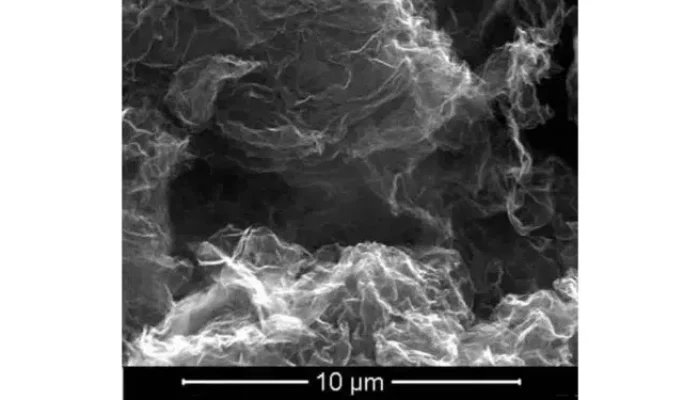
Graphene is a single atomic layer of carbon atoms arranged in a two-dimensional honeycomb lattice, recognized as an extraordinary allotrope of carbon. Celebrated for its exceptional intrinsic properties, graphene stands out as a revolutionary material, particularly due to its outstanding thermal conductivity. When incorporated into composite materials such as plastics, graphene significantly enhances their ability to conduct heat, addressing a critical limitation of conventional polymers.
Thermal Conductivity Challenges in Plastics
Plastics, known for their versatility and lightweight nature, inherently suffer from low thermal conductivity, typically ranging between 0.1 and 0.25 W/mK. This poor heat transfer capability restricts their use in applications requiring efficient thermal management. In stark contrast, graphene exhibits thermal conductivity values exceeding 5000 W/mK, making it an ideal candidate to improve the heat conduction properties of polymer composites. By embedding graphene into plastic matrices, researchers aim to overcome these thermal deficiencies and develop materials suitable for high-performance environments.
Mechanisms Behind Thermal Conductivity Enhancement
The improvement in thermal conductivity within graphene-plastic composites is primarily governed by the interaction between graphene sheets and polymer chains. Graphene’s large surface area and high aspect ratio enable excellent interfacial contact, facilitating efficient phonon transport-the dominant heat transfer mechanism in solids. When dispersed within the polymer, graphene forms continuous pathways that reduce thermal resistance, analogous to constructing express routes for heat flow.
Importance of Dispersion Techniques
Achieving uniform distribution of graphene within the polymer matrix is crucial for maximizing thermal conductivity. Various processing methods such as melt mixing, solution blending, and in-situ polymerization are employed to integrate graphene effectively. Each technique offers distinct benefits and challenges, but all strive to create a homogeneous composite that optimizes heat transfer.
Role of Graphene’s Two-Dimensional Structure
The unique two-dimensional hexagonal lattice of graphene plays a vital role in its thermal properties. This structure supports efficient phonon dispersion, which enhances heat conduction. In composites, the interaction between graphene and polymer chains leads to a phenomenon known as the “thermal percolation threshold.” At this critical concentration, a continuous conductive network forms, dramatically increasing the composite’s thermal conductivity by providing a superhighway for thermal energy transfer.
Additional Benefits of Graphene-Enhanced Plastics
Beyond thermal improvements, incorporating graphene into plastics also enhances mechanical properties such as tensile strength and reduces thermal expansion. This multifaceted enhancement transforms the base polymer into a more robust and versatile material, expanding its potential applications across various industries.
Applications of Graphene-Reinforced Plastics
Graphene-infused plastics find valuable uses in sectors where efficient thermal management is essential. In electronics, as devices become smaller and more powerful, effective heat dissipation is critical to maintain functionality and extend device lifespan. Graphene composites offer lightweight, thermally conductive solutions for consumer electronics, automotive parts, and aerospace components. Additionally, in renewable energy technologies, these materials improve thermal management in systems such as photovoltaic cells and thermal insulation, contributing to enhanced energy efficiency.
Challenges in Commercializing Graphene-Enhanced Plastics
Despite their promising properties, several obstacles hinder the widespread adoption of graphene-filled plastics. Scaling up production while maintaining cost-effectiveness remains a significant challenge due to the expense of raw graphene materials. Ensuring consistent and uniform dispersion within the polymer matrix is also complex. Furthermore, the long-term durability and environmental impact of these composites require thorough investigation to guarantee safety and sustainability.
Conclusion: The Future of Graphene in Thermal Management
The integration of graphene into plastic materials marks a transformative advancement in thermal conductivity enhancement. By leveraging molecular-level interactions and innovative fabrication techniques, it is possible to develop composite materials that surpass the limitations of traditional polymers. Graphene serves not just as an additive but as a catalyst for innovation, unlocking new possibilities in thermal management and material performance. As research progresses, graphene-enhanced plastics are poised to become integral components in a wide array of technological applications, shaping a future where efficient heat transfer and advanced material properties are standard.
FAQ
What is graphene?
Graphene is a single atomic layer of carbon atoms arranged in a two-dimensional honeycomb lattice, known for its remarkable properties, including high thermal conductivity.
How does graphene enhance thermal conductivity in plastics?
Graphene enhances thermal conductivity in plastics by forming continuous pathways that facilitate efficient heat transfer, overcoming the limitations of conventional polymers.
What are the challenges in using graphene-enhanced plastics?
Challenges include high production costs, ensuring uniform dispersion of graphene in the polymer matrix, and assessing the long-term durability and environmental impact.




Leave a Reply