
Short Answer
Definition of Graphene and Thermal Vision
Graphene is a single layer of carbon atoms arranged in a two-dimensional honeycomb lattice, making it one of the thinnest and strongest materials known. Since its discovery in 2004, graphene has fascinated researchers due to its exceptional electrical conductivity, mechanical strength, and thermal properties. Thermal vision, on the other hand, refers to the ability to detect and visualize infrared radiation emitted by objects, enabling the observation of heat patterns invisible to the naked eye.
- Graphene:
A one-atom-thick carbon allotrope with extraordinary electrical, mechanical, and thermal characteristics. - Thermal Vision:
The technology that captures infrared radiation to create images based on temperature differences.
Graphene’s Unique Structure and Properties
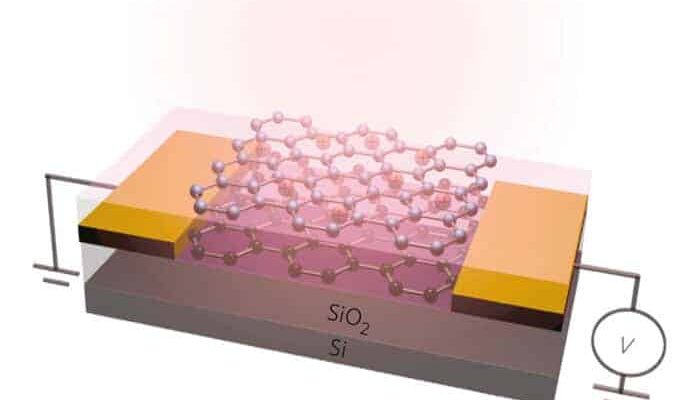
At the atomic scale, graphene consists of carbon atoms tightly bonded in a hexagonal lattice, providing it with a vast surface area and exceptional electron mobility. These features allow graphene to interact with infrared radiation in distinctive ways. When exposed to infrared light, graphene can convert this energy into heat through a photothermal effect, altering its electrical resistance. This change can be detected and translated into thermal images, making graphene an excellent candidate for advanced thermal sensors.
Mechanism of Graphene in Thermal Imaging
Graphene’s role in thermal vision hinges on its photothermal transduction capability. Upon absorbing infrared radiation, graphene heats up slightly, causing measurable variations in its electrical resistance. These resistance changes can be captured by electronic circuits and converted into visual data representing temperature distributions. This mechanism enables thermal imaging devices to achieve higher sensitivity and resolution compared to traditional materials.
Thermoelectric Effects and Energy Harvesting
Beyond sensing, graphene exhibits thermoelectric properties, meaning it can convert temperature gradients directly into electrical energy. This dual functionality allows graphene-based devices to not only detect heat but also harvest energy from it. Such capabilities open new avenues in wearable electronics and smart textiles, where energy efficiency and multifunctionality are paramount.
Applications of Graphene-Enhanced Thermal Vision
The integration of graphene into thermal imaging technologies has promising implications across various sectors:
- Medical Diagnostics:
Graphene-based thermal sensors can enable non-invasive monitoring of body temperature, aiding early detection of fevers and other health conditions, especially in remote or underserved areas. - Industrial Monitoring:
Enhanced thermal imaging can identify heat loss in buildings and machinery, promoting energy efficiency and reducing operational costs. - Electronics Safety:
Detecting overheating components swiftly helps prevent device failures and extends the lifespan of electronic equipment.
Challenges in Graphene Production and Integration
Despite its potential, the widespread adoption of graphene in thermal imaging faces hurdles related to material synthesis and device fabrication. Producing high-quality graphene at scale remains complex, with methods such as chemical vapor deposition and liquid-phase exfoliation each presenting unique benefits and limitations. Ensuring consistent quality and reproducibility is critical for commercial applications. Additionally, integrating graphene seamlessly into existing imaging systems requires further technological advancements.
Environmental and Sustainability Considerations
The environmental impact of graphene manufacturing and disposal is an important factor in its sustainable development. As graphene-based technologies evolve, it is essential to assess their ecological footprint from production to end-of-life. Responsible management of these processes will help ensure that the benefits of graphene do not come at the expense of environmental health.
Significance of Graphene in Modern Science and Technology
Graphene’s emergence in thermal vision technology exemplifies the intersection of cutting-edge material science and pressing societal needs. In an era marked by climate challenges, health emergencies, and the drive for smarter technologies, graphene offers innovative solutions that enhance our ability to monitor and respond to thermal phenomena. Its development reflects human ingenuity and the ongoing quest to transform invisible heat signatures into actionable insights.
Future Perspectives
The expanding capabilities of graphene in thermal imaging suggest a transformative impact on how we perceive and interact with our environment. As research continues to unlock its full potential, graphene-based devices may revolutionize fields ranging from healthcare to energy management. This progress heralds a future where the invisible thermal world becomes accessible, enabling new applications and fostering technological breakthroughs.
FAQ
What is graphene?
Graphene is a single layer of carbon atoms arranged in a two-dimensional lattice, known for its exceptional properties.
How does graphene work in thermal imaging?
Graphene absorbs infrared radiation, converting it into heat which alters its electrical resistance, enabling thermal imaging.
What are the applications of graphene in thermal vision?
Graphene is used in medical diagnostics, industrial monitoring, and enhancing energy efficiency.
What challenges does graphene face in production?
Challenges include the complexity of producing high-quality graphene at scale and integrating it into existing systems.




Leave a Reply