
Short Answer
Understanding Graphene: Definition and Structure
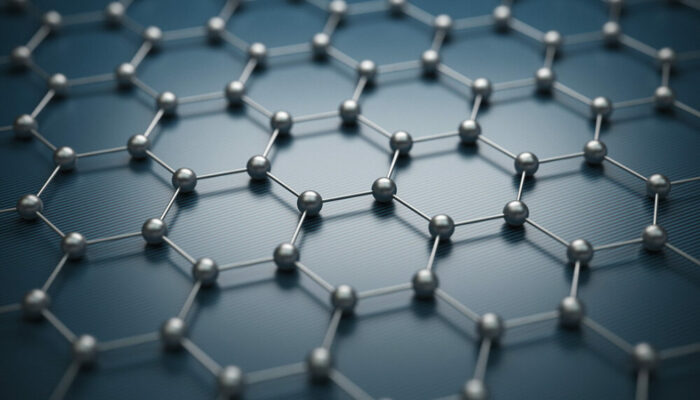
Graphene is an extraordinary form of carbon consisting of a single atomic layer arranged in a two-dimensional hexagonal lattice. This unique atomic configuration endows graphene with a suite of remarkable physical and chemical properties that have captivated researchers across multiple scientific disciplines, including materials science, electronics, and environmental technology.
- Atomic Arrangement:
A monolayer of carbon atoms tightly packed in a honeycomb pattern. - Material Classification:
An allotrope of carbon, distinct from graphite and diamond due to its two-dimensional structure. - Discovery and Interest:
First isolated in 2004, graphene has since been the subject of intense study for its potential to revolutionize various industries.
Intrinsic Properties of Graphene
The exceptional characteristics of graphene arise from its atomic structure, which imparts superior electrical, mechanical, and optical behaviors compared to conventional materials.
- Electrical Conductivity:
Graphene exhibits electrical conductivity surpassing that of copper, making it a prime candidate for next-generation electronic devices. - Mechanical Strength:
Despite its ultra-lightweight nature, graphene’s tensile strength exceeds steel by over 200 times, offering unparalleled durability. - Optical Absorption:
It absorbs light across a wide spectrum, enabling innovative applications in photonics and optoelectronics. - Surface Area:
The large surface area of graphene enhances its performance in energy storage and environmental applications.
Graphene in Electronics: Transforming Technology
Graphene’s superior electrical properties have sparked interest in its use for electronic components, particularly transistors. Unlike traditional silicon-based transistors, graphene transistors promise faster switching speeds and greater energy efficiency, potentially revolutionizing computing and telecommunications.
Researchers are exploring how graphene can overcome the limitations of silicon, enabling devices that operate at higher frequencies and with reduced heat generation. This advancement could accelerate the development of ultra-fast processors and flexible electronics.
Mechanical Applications: Strength and Lightweight Advantages
The extraordinary tensile strength and low density of graphene open new avenues in material engineering. Incorporating graphene into composites can produce materials that are both lighter and stronger than conventional alternatives, which is especially valuable in aerospace, automotive, and construction industries.
Graphene-reinforced materials could lead to buildings and vehicles that are more resilient, energy-efficient, and environmentally friendly. However, scaling up production to meet industrial demands remains a significant hurdle.
Optical and Photonic Innovations
Graphene’s ability to absorb a broad range of light wavelengths makes it an excellent material for photonic devices. Potential applications include ultra-sensitive imaging sensors that could enhance biometric security systems, medical diagnostics, and surveillance technologies.
While these advancements offer exciting possibilities, they also raise ethical questions regarding privacy and data security, necessitating careful consideration as the technology develops.
Energy Storage and Generation: A Sustainable Future
Graphene’s high surface area and conductivity make it ideal for improving energy storage devices such as supercapacitors and batteries. These graphene-enhanced systems could surpass current lithium-ion technologies in charge capacity, efficiency, and lifespan.
Advancements in graphene-based energy storage are critical for supporting renewable energy integration and addressing global climate challenges by enabling more sustainable and efficient power solutions.
Biomedical Applications: Graphene in Medicine
Due to its biocompatibility, graphene is being investigated for use in drug delivery systems and biosensors. One promising application is targeted cancer therapy, where graphene-based carriers can deliver medication directly to tumor cells, reducing side effects and improving treatment efficacy.
Nonetheless, the introduction of graphene into medical devices requires comprehensive safety assessments and regulatory approval to ensure patient safety and therapeutic effectiveness.
Graphene-Enhanced Composites Across Industries
Graphene’s integration into composite materials enhances thermal conductivity, durability, and mechanical performance. These composites are gaining traction in sectors such as automotive manufacturing, aerospace engineering, and sports equipment production, where performance optimization and weight reduction are critical.
The widespread adoption of graphene composites could redefine manufacturing standards and product capabilities across diverse markets.
Environmental Applications: Pollution Control and Remediation
Graphene’s excellent adsorption properties enable it to capture pollutants from air and water, offering promising solutions for environmental remediation. Graphene-based filtration systems could play a vital role in addressing pollution and improving public health.
However, the environmental impact and cost-effectiveness of large-scale graphene production must be carefully managed to ensure sustainable implementation.
Challenges in Graphene Production and Commercialization
Despite graphene’s abundance, producing high-quality, defect-free sheets at an industrial scale remains a formidable challenge. Current production techniques, such as chemical vapor deposition (CVD) and liquid-phase exfoliation, require further refinement to achieve cost-effective mass manufacturing.
Bridging the gap between laboratory research and commercial application demands innovation in scalable synthesis methods and quality control.
Regulatory and Ethical Considerations
As graphene technologies permeate various industries, establishing comprehensive regulatory frameworks is essential to ensure safe usage, environmental protection, and effective recycling. Balancing innovation with safety standards is critical to fostering responsible development.
Moreover, ethical concerns, particularly related to privacy in surveillance applications and biomedical uses, must be addressed through transparent policies and interdisciplinary collaboration.
Conclusion: The Future Potential of Graphene
Graphene’s multifaceted properties position it as a transformative material with applications spanning electronics, energy, medicine, environmental science, and advanced manufacturing. While significant obstacles remain-such as scalable production, regulatory compliance, and ethical challenges-the ongoing research and development efforts hold promise for groundbreaking technological advancements.
The successful integration of graphene into practical applications will require coordinated efforts across scientific disciplines, industry sectors, and regulatory bodies. Harnessing graphene’s full potential responsibly could usher in a new era of innovation that reshapes technology and society.
Frequently Asked Questions (FAQ)
What exactly is graphene?
Graphene is a single-atom-thick sheet of carbon atoms arranged in a two-dimensional honeycomb lattice, renowned for its exceptional electrical, mechanical, and optical properties.
In which fields is graphene primarily used?
Graphene finds applications in electronics, energy storage, composite materials, biomedicine, photonics, and environmental technologies due to its high conductivity, strength, and versatility.
What are the main obstacles in producing graphene?
Challenges include achieving scalable, cost-effective production of high-quality graphene sheets, improving synthesis methods like chemical vapor deposition, and addressing safety and regulatory concerns.
Is graphene safe for use in medical applications?
While graphene shows promise because of its biocompatibility, extensive safety testing and regulatory approvals are necessary before it can be widely used in biomedical devices and treatments.
How does graphene contribute to environmental technology?
Graphene’s adsorption capabilities enable it to remove pollutants from air and water, making it a valuable material for developing advanced filtration and remediation systems.
FAQ
What is graphene?
Graphene is a single layer of carbon atoms arranged in a two-dimensional honeycomb lattice, known for its exceptional electrical, mechanical, and optical properties.
What are the main uses of graphene?
Graphene is used in electronics, energy storage, composites, biomedicine, photonics, and environmental applications due to its high conductivity, strength, and versatility.
What challenges exist in graphene production?
Key challenges include producing high-quality graphene at scale cost-effectively, refining production methods like chemical vapor deposition, and addressing regulatory and safety concerns.
Is graphene safe for biomedical applications?
Graphene shows promise due to biocompatibility, but rigorous safety evaluations and regulatory approvals are necessary before widespread biomedical use.
How does graphene impact environmental technologies?
Graphene's adsorption properties enable pollutant removal in water and air filtration systems, potentially offering new solutions for environmental remediation.






Leave a Reply