
Short Answer
Definition of Cellular Interaction with Carbon Nanotubes
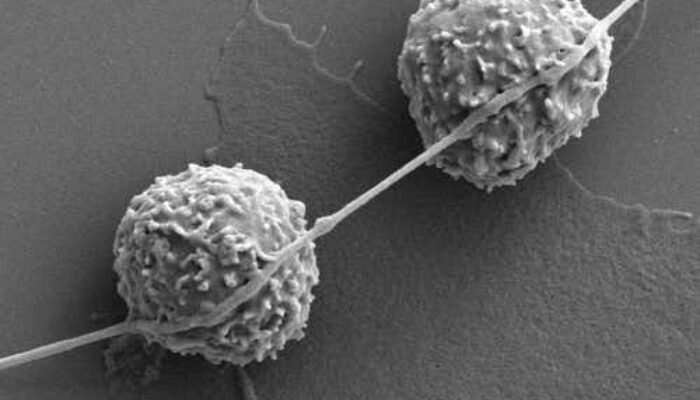
Cellular interaction with carbon nanotubes (CNTs) refers to the process by which living cells encounter, internalize, and respond to these nanoscale cylindrical structures composed primarily of carbon atoms. This interaction is significant because it bridges the gap between synthetic nanomaterials and biological systems, raising questions about compatibility, toxicity, and potential biomedical applications.
- Carbon Nanotubes (CNTs):
Cylindrical nanostructures made of carbon atoms arranged in a hexagonal lattice, known for exceptional strength, electrical conductivity, and large surface area. - Cellular Ingestion (Phagocytosis):
A biological mechanism where cells engulf particles, typically for defense or nutrient uptake, which can be disrupted or altered by the presence of CNTs.
Structural and Chemical Properties of Carbon Nanotubes
Carbon nanotubes possess unique molecular architecture that grants them extraordinary mechanical and electrical properties. Their hexagonal carbon atom arrangement forms a robust, tubular shape that is both lightweight and incredibly strong. These features make CNTs highly valuable in electronics, materials science, and emerging biomedical technologies. However, their interaction with living cells introduces complex challenges related to biocompatibility and toxicity.
Mechanisms of Cellular Uptake and Response to CNTs
Cells typically internalize foreign particles through phagocytosis, a carefully regulated process aimed at neutralizing threats or acquiring nutrients. When cells encounter CNTs, they may mistakenly treat these nanostructures as consumable material. This misrecognition can trigger a cascade of cellular responses, including inflammation, oxidative stress, and disruption of normal metabolic pathways.
- Phagocytosis of CNTs:
Cells engulf CNTs, which are not naturally degradable, leading to accumulation within cellular compartments. - Inflammatory Response:
Internalized CNTs can provoke immune reactions, causing oxidative damage and cellular stress. - Metabolic Disruption:
CNTs interfere with signaling pathways that regulate cell growth, division, and programmed cell death (apoptosis).
Implications for Tumor Cells and Immune System Function
The interaction between CNTs and cells takes on a particularly concerning dimension in the context of cancer biology and immune defense. Tumor cells, driven by their high energy demands, may exploit CNTs as unconventional energy sources, potentially enhancing their proliferative capacity. Meanwhile, immune cells tasked with protecting the body can become compromised when CNTs evade detection or induce harmful self-reactive responses.
- Tumor Cell Exploitation:
Malignant cells may harness CNTs to fuel unchecked growth, contributing to tumor progression and hyperplasia. - Immune System Vulnerability:
CNTs can confuse immune cells, impairing their ability to mount effective defenses and potentially aiding tumor evasion.
Long-Term Consequences and Toxicological Concerns
The introduction of carbon nanotubes into biological environments raises critical questions about their long-term safety and impact. While nanotechnology holds promise for revolutionary medical applications such as targeted drug delivery and biosensing, the potential for adverse effects cannot be overlooked. Persistent CNT accumulation may lead to chronic inflammation, cellular damage, and disruption of tissue homeostasis.
Strategies for Mitigating CNT-Induced Cellular Damage
Ongoing research aims to unravel the molecular pathways affected by CNT exposure and develop strategies to minimize their harmful effects. Approaches include engineering biocompatible coatings, designing CNTs with controlled biodegradability, and integrating nanomaterials with biological engineering techniques to create safer, more effective therapeutic tools.
Potential Therapeutic Applications and Ethical Considerations
Despite the risks, carbon nanotubes offer exciting opportunities for medical innovation. By modifying their surface properties, CNTs can be transformed into vehicles for delivering drugs directly to diseased cells, enhancing treatment specificity and reducing side effects. However, these advances must be balanced with ethical considerations regarding safety, environmental impact, and long-term consequences of nanomaterial use in humans.
Conclusion: Balancing Promise and Peril in Nanobiotechnology
The complex interplay between cells and carbon nanotubes exemplifies the dual nature of nanotechnology in biology-offering both groundbreaking potential and significant challenges. As scientific understanding deepens, responsible stewardship and interdisciplinary collaboration will be essential to harness the benefits of CNTs while safeguarding cellular health and ecological integrity. The evolving dialogue between technology and biology continues to shape the future of medicine and materials science.
FAQ
What are carbon nanotubes?
Carbon nanotubes are nanoscale cylindrical structures composed of carbon atoms arranged in hexagonal patterns, notable for their strength and electrical conductivity.
How do cells respond to carbon nanotubes?
Cells can engulf carbon nanotubes through phagocytosis, which may trigger inflammatory responses and oxidative stress damaging the cell.
Are carbon nanotubes harmful to cells?
Yes, ingestion of carbon nanotubes can cause cell damage, inflammation, and may disrupt normal cellular processes, potentially promoting tumor growth.
Can carbon nanotubes be used safely in medicine?
Research is ongoing to engineer carbon nanotubes for safe therapeutic uses such as drug delivery, but toxicity concerns remain a significant challenge.
What is the significance of studying cellular interactions with nanotubes?
Understanding these interactions is crucial to harnessing nanotechnology benefits while mitigating health risks associated with nanotube exposure.




Leave a Reply