
Short Answer
Definition of Atom-Thin Materials
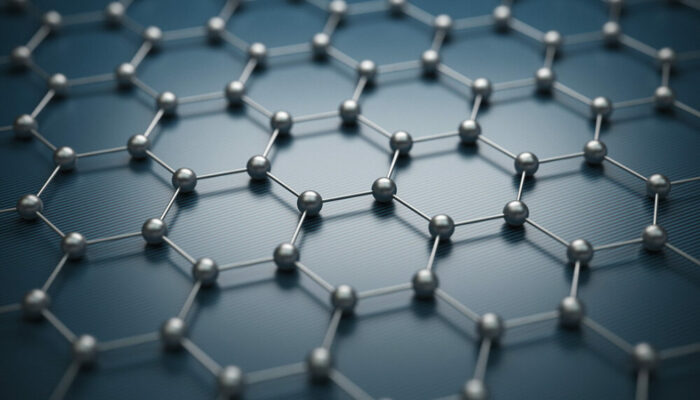
Atom-thin materials, also known as two-dimensional (2D) materials, are substances consisting of a single or few layers of atoms arranged in a planar structure. These materials exhibit extraordinary physical, chemical, and electronic properties that differ significantly from their bulk counterparts due to their reduced dimensionality and unique atomic arrangements.
- Graphene:
A monolayer of carbon atoms arranged in a hexagonal honeycomb lattice, renowned for its exceptional strength and electrical conductivity. - Borophene:
A 2D allotrope of boron atoms with diverse structural phases, notable for its variable electrical and mechanical properties. - Transition Metal Dichalcogenides (TMDs):
Compounds like molybdenum disulfide (MoS2) that form layered semiconductors with tunable electronic and optical characteristics.
Fundamental Properties and Significance
Atom-thin materials possess remarkable attributes that have captivated scientists and engineers alike. Their ultra-thin nature imparts exceptional mechanical strength, high electrical conductivity, and unique optical behaviors. These properties enable innovations across multiple fields, including flexible electronics, energy storage, and quantum computing.
Graphene: The Benchmark 2D Material
Graphene is often regarded as the prototype of 2D materials. Its carbon atoms form a tightly bonded honeycomb lattice, granting it electrical conductivity comparable to copper and tensile strength exceeding that of steel. This combination of properties makes graphene a foundational material for developing lightweight, high-performance electronic devices and composite materials.
Borophene: A Versatile Contender
Borophene distinguishes itself through its polymorphic nature, allowing it to adopt various atomic configurations. This flexibility results in a spectrum of electrical conductivities and mechanical strengths, depending on the synthesis method and structural phase. Its lightweight and conductive nature make it a promising candidate for next-generation batteries and supercapacitors, potentially enhancing energy density and charge rates.
Transition Metal Dichalcogenides (TMDs): Expanding the 2D Family
TMDs, such as MoS2, introduce a new class of 2D semiconductors with layer-dependent electronic properties. By varying the number of atomic layers, these materials can transition from semiconducting to insulating states, enabling precise tuning for optoelectronic applications like transistors, photodetectors, and solar cells.
Mechanisms Behind Unique Behaviors
The extraordinary properties of atom-thin materials arise from quantum confinement effects and altered electron interactions within their two-dimensional planes. Reduced dimensionality leads to changes in band structure, electron mobility, and mechanical responses, which are not observed in bulk materials.
Topological Insulators and Quantum States
Certain 2D materials exhibit topologically protected surface states, where electrical conduction occurs only on the material’s surface while the interior remains insulating. These topological insulators hold promise for robust quantum computing platforms, leveraging quantum mechanical principles to surpass traditional computing capabilities.
Applications in Technology and Medicine
The unique characteristics of atom-thin materials have paved the way for transformative applications across various sectors.
- Flexible Electronics:
Graphene’s strength and conductivity enable the creation of bendable, lightweight electronic devices. - Energy Storage:
Borophene’s high conductivity and low weight make it ideal for advanced batteries and supercapacitors with improved performance. - Optoelectronics:
TMDs’ tunable electronic properties facilitate the development of efficient photodetectors and solar cells. - Biomedical Innovations:
The biocompatibility of some 2D materials allows for targeted drug delivery systems and sensitive biosensors, revolutionizing medical diagnostics and treatments.
Challenges in Synthesis and Integration
Despite their potential, the practical deployment of atom-thin materials faces significant obstacles. Producing large-area, defect-free sheets remains difficult, with methods like chemical vapor deposition and liquid-phase exfoliation under continuous refinement. Additionally, integrating these materials into existing manufacturing processes requires overcoming compatibility and scalability issues.
Environmental and Regulatory Considerations
As atom-thin materials transition from laboratories to commercial products, environmental impact and regulatory frameworks become critical. Sustainable sourcing, eco-friendly manufacturing, and comprehensive safety assessments are essential to ensure responsible development and widespread adoption.
Common Misconceptions About Atom-Thin Materials
All 2D materials have identical properties.
Each 2D material exhibits distinct characteristics depending on its atomic composition and structure, leading to diverse applications.
Atom-thin materials are easy to produce at scale.
Large-scale synthesis with consistent quality remains a major technical challenge requiring ongoing research.
Why Atom-Thin Materials Are Transformative
The advent of atom-thin materials marks a paradigm shift in materials science and technology. Their unparalleled properties enable innovations that could redefine electronics, energy systems, and biomedical devices. By manipulating matter at the atomic scale, these materials open new frontiers for scientific discovery and practical applications, heralding an era of unprecedented technological progress.
FAQ
What is graphene?
Graphene is a single layer of carbon atoms arranged in a honeycomb lattice with outstanding electrical conductivity and mechanical strength.
What makes borophene unique compared to graphene?
Borophene consists of boron atoms and exhibits a range of atomic structures, enabling diverse electrical and mechanical properties not found in graphene.
How are two-dimensional materials synthesized?
Common synthesis methods include chemical vapor deposition and liquid-phase exfoliation to produce thin, uniform sheets.
What potential does quantum computing have with 2D materials?
Certain 2D materials exhibit topological states that could enable robust quantum computing architectures beyond current technologies.
Are 2D materials safe for biomedical applications?
Some 2D materials show biocompatibility, offering promising avenues for drug delivery and biosensing, although safety and regulatory assessments are ongoing.





Leave a Reply