In layman’s terms what is ‘condensed matter physics’?

Definition of Condensed Matter Physics Condensed matter physics is a vast and vital branch of physics dedicated to studying the diverse behaviors and properties of matter in solid and liquid states. It integrates principles from quantum mechanics, statistical mechanics, and materials science to explain how matter behaves at microscopic and macroscopic scales. This field investigates […]

Read More →

The Hubbard-Holstein Model: When Electrons and Phonons Collide

Definition of the Hubbard-Holstein Model The Hubbard-Holstein model is a fundamental theoretical construct in condensed matter physics that integrates the behavior of electrons with lattice vibrations, or phonons. It serves as a comprehensive framework to study the complex interactions between electron correlations and phonon-induced lattice distortions, providing critical insights into the quantum properties of materials. […]

Read More →

What Is a Phonon in Physics? The Quantum Whisper of Vibrating Crystals

Definition of Phonons Phonons are fundamental quasiparticles representing quantized vibrational energy within a crystal lattice. Originating from the Greek word “phonē,” meaning sound, phonons embody discrete vibrational modes that propagate through solid materials. Despite lacking mass, phonons behave like particles under the principles of quantum mechanics, playing a crucial role in the physical properties of […]

Read More →

Hot Topics in Statistical Physics You Should Know About

Understanding Statistical Physics Statistical physics is a specialized field within physics that applies statistical methods to study systems composed of a vast number of particles. This discipline provides profound insights into the fundamental principles that govern thermodynamic behavior and the collective properties of matter. Beyond simply measuring temperature, statistical physics explores a wide array of […]

Read More →

Solid State Physics vs Condensed Matter Physics: Are They the Same?

Definition and Scope Solid state physics and condensed matter physics are closely related branches of physics that study the properties and behaviors of matter, yet they differ in scope and focus. Solid state physics primarily concentrates on the physical characteristics of solid materials, especially crystalline solids, examining their atomic arrangements, electronic structures, and thermal properties. […]

Read More →

What determines a state of matter in science?

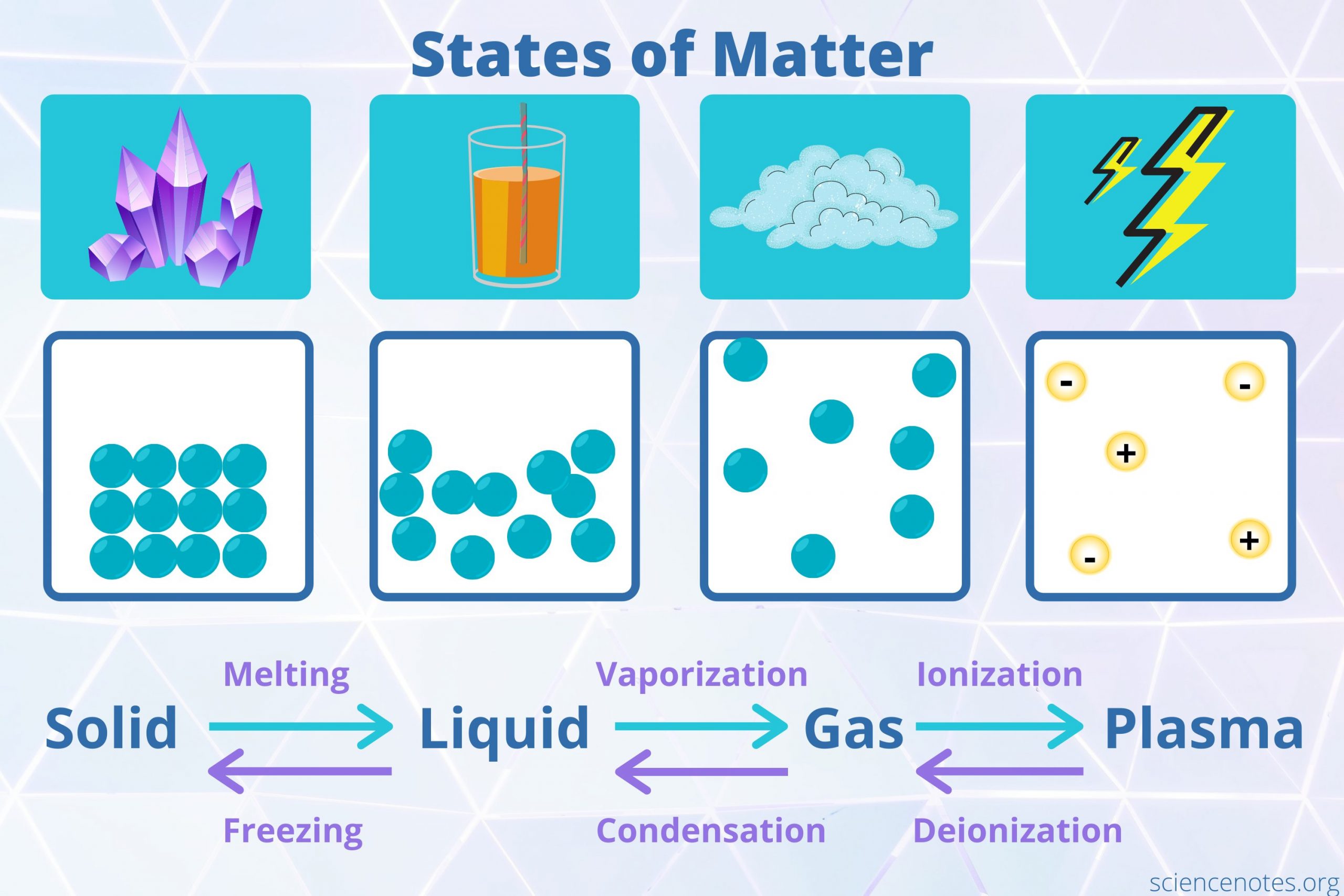
Definition of State of Matter The term “state of matter” refers to the distinct physical forms that substances can assume, determined by the arrangement and behavior of their constituent particles-atoms, molecules, or ions. These states arise from the microscopic interactions and energy levels within a material, shaping its macroscopic properties such as shape, volume, and […]

Read More →

Is Oxygen the Secret Ingredient Behind Superconductivity?

Definition of Superconductivity and Oxygen’s Role Superconductivity is a remarkable physical phenomenon where certain materials exhibit zero electrical resistance when cooled below a critical temperature. This effect, first observed in 1911, has intrigued scientists due to its potential applications in energy transmission, magnetic levitation, and quantum computing. Among the various factors influencing superconductivity, oxygen has […]

Read More →

Capacitance Unveils Complexity in Fluid Flows

Definition of Capacitance and Its Relevance to Fluid Flows Capacitance traditionally refers to a system’s ability to store electrical charge, a concept primarily rooted in electrical engineering and physics. It is commonly observed in capacitors, devices designed to hold and release energy through electric fields interacting with dielectric materials. The magnitude of capacitance depends on […]

Read More →

Which field of Physics involves a lot of research?

Definition of Condensed Matter Physics Condensed matter physics is a branch of physics focused on studying the physical properties of solid and liquid phases of matter. It investigates how atoms and molecules arrange themselves and interact within these states, revealing the underlying principles that govern material behavior. This field encompasses a wide range of phenomena, […]

Read More →

Condensed Matter Physics Explained in Plain English (No Jargon Required)

Definition of Condensed Matter Physics Condensed matter physics is a broad and intriguing branch of physics dedicated to studying the physical properties and behaviors of matter in its solid and liquid states. This field investigates how atoms, molecules, and ions, when densely packed, interact to produce complex phenomena that cannot be explained by examining individual […]

Read More →